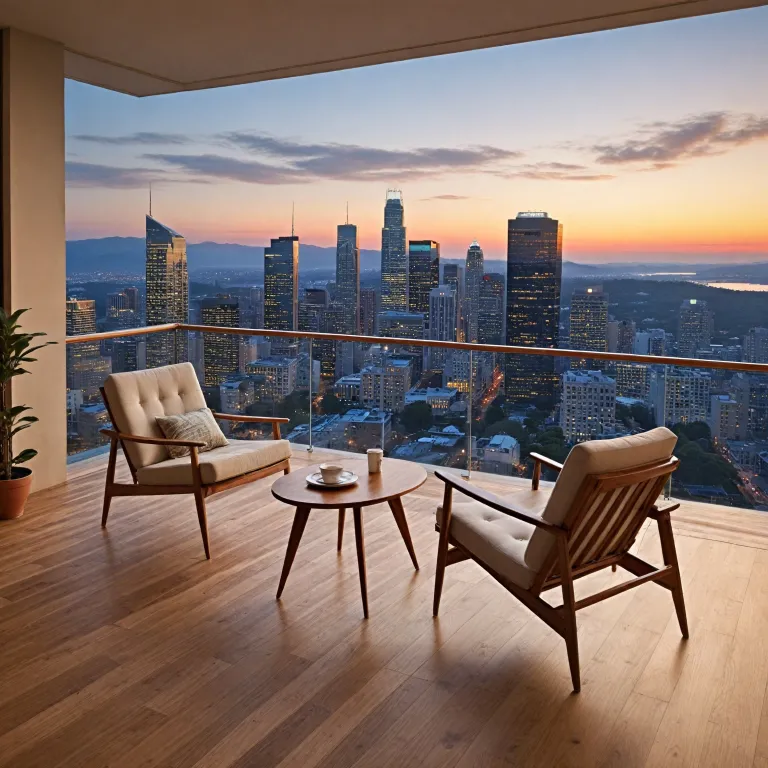
Why the right hotel view defines a luxury stay
For many hotel guests, the hotel view is no longer a pleasant extra but a decisive factor. When a hotel aligns its architecture, room layout, and service with views, the entire stay feels more luxurious and more personal. Around the world, hotels are rethinking how every room, rooftop, and waterfront terrace frames the surrounding city or beach.
Industry data shows that a clear majority of travelers now actively seek hotels with compelling views when they book. This shift has turned view seekers into a distinct audience, and hotel managers into dedicated view providers who must curate every angle. The visual scene from a room can justify premium pricing, influence hotel offers, and shape the reputation of both individual hotels and global brands such as Marriott International.
In this context, a hotel in Seattle, London, or any major city competes not only on service but on skyline, waterfront, or beach panoramas. A single room with floor to ceiling windows can become the hotel heart of guest satisfaction, especially for business meetings that blend productivity with inspiration. As one expert explanation notes, “A room designed to offer wide, expansive views through large windows.” This definition of a panoramic room captures why the best luxury properties invest heavily in glass, balconies, and rooftop spaces.
Guests who care about the hotel view should treat it as a core criterion, not a last minute request. When comparing hotels or specific rooms, look beyond generic labels such as city side or standard and ask what you will actually see from the bed or the desk. The more precisely you define your expectations, the more likely you are to secure a stay that feels genuinely elevated.
From city skylines to beach horizons : mapping the perfect view
Choosing the best hotel view starts with understanding the landscape around your destination. In a dense city, a high floor facing the skyline or a landmark can feel more luxurious than a lower floor overlooking a quiet courtyard. By contrast, at the beach or on a waterfront promenade, proximity to the shoreline and an unobstructed horizon often matter more than height alone.
Consider how you plan to use the room during your stay, because different trips call for different views. For a romantic escape, a room set above a calm beach or riverfront can create a serene hotel heart, especially at sunrise or sunset. For business meetings in urban hotels, a city facing room with wide windows can energize long work sessions and make breaks more restorative.
Destinations such as Seattle illustrate how varied a single city’s views can be. Some Seattle hotels frame the waterfront and ferries, while others highlight mountain silhouettes or contemporary towers in the central business district. Travelers searching for hotels Seattle or broader Seattle hotels should compare room photos carefully, as a view hotel on the waterfront offers a very different atmosphere from a property set deeper in the city grid.
Beach resorts and private villas follow similar principles but with a stronger emphasis on horizon lines and privacy. When browsing coastal properties, look for room descriptions that specify direct sea views, not partial glimpses between buildings. For deeper inspiration on coastal panoramas, many travelers explore this guide to private villas with sea views for a dream holiday, which highlights how architecture and setting combine to frame the water.
How luxury brands and independent hotels design for views
Behind every memorable hotel view lies a series of deliberate design decisions. Architects, interior designers, and hotel managers collaborate to position rooms, carve out rooftop terraces, and open up waterfront promenades so that guests experience the surrounding city or beach at its most flattering. Large windows, corner rooms, and thoughtfully placed balconies all work together to transform a simple room into a panoramic retreat.
Global groups such as Marriott International have turned view centric design into a strategic asset. In many Marriott properties, premium rooms are set on higher floors or oriented toward signature landmarks, while public spaces such as rooftop lounges showcase sweeping city or harbor views. This approach allows the same building footprint to host a range of experiences, from efficient business rooms to indulgent suites that feel like private observatories.
Independent luxury hotels follow similar principles, even when they operate on a smaller scale. A waterfront hotel in Seattle might reserve its most dramatic rooms for the corner facing both the bay and the skyline, creating a natural hotel heart for returning guests. In London, contemporary conversions of historic buildings often carve out rooftop decks or glass walled restaurants to capture the city’s evolving silhouette.
Technology now plays a crucial role in how hotels present their views to potential guests. Virtual tours and high resolution galleries allow travelers to preview the exact room category and its outlook before they commit to a stay. When evaluating hotels, pay attention to whether the property shows the real view from specific rooms, not just generic marketing images of the city or beach.
Booking strategies to secure the best hotel view every time
Securing a standout hotel view requires more than ticking a box for high floor or sea side. Start by reading room descriptions closely and noting any specific wording about city, beach, or waterfront orientation. If a hotel simply lists standard room without mentioning views, assume that the outlook may be internal or less dramatic.
Once you have shortlisted a few hotels, contact them directly to clarify which room categories guarantee a particular view. Ask whether certain rooms are set closer to the waterfront, whether rooftop access is included, and how the views differ between floors. When possible, request that your preferences be added to the reservation notes, especially if the hotel is part of a large group such as Marriott International where inventory is carefully managed.
Reviews from other guests can provide valuable insight into how the advertised hotel view matches reality. Look for comments about whether city facing rooms truly overlook landmarks, whether beach rooms are obstructed by other buildings, and whether rooftop spaces feel exclusive or crowded. One practical guideline often shared with travelers is, “Request rooms with specific views when booking.” This simple step, combined with verifying view descriptions through reviews, significantly improves your chances of a satisfying stay.
For travelers who prioritize scenery, specialized platforms can streamline the search process. Some premium booking sites focus on hotels where the view is central to the experience, highlighting rooms, suites, and rooftop spaces that frame the surroundings beautifully. A detailed overview of how such platforms operate is available in this article on a premium hotel booking app elevating your stay with exclusive views, which explains how curated imagery and transparent descriptions help guests choose confidently.
Elevating business stays with inspiring city and waterfront views
For business travelers, the right hotel view can subtly transform a demanding schedule. A room overlooking a dynamic city or calm waterfront offers visual relief between calls, while a rooftop lounge with skyline views becomes an informal extension of the meeting room. Many hotels now design their business floors and executive lounges to maximize natural light and long sightlines.
When planning business meetings, consider how the setting will influence energy and focus. A conference room set on a high floor with floor to ceiling windows can make long sessions feel less confining, especially when the city or beach stretches out beyond the glass. In Seattle, for example, several hotels Seattle properties position their meeting spaces to capture both the waterfront and the contemporary downtown towers, creating a distinctive backdrop for presentations.
Brands such as Marriott International have recognized that business guests value more than efficient service and reliable Wi Fi. Many of their hotels integrate business rooms with access to lounges that offer panoramic views, curated food drinks, and quiet corners for informal discussions. This combination of functionality and scenery helps transform routine stays into memorable experiences that guests associate with the hotel heart of their professional travels.
Corporate travel planners should evaluate hotels not only on meeting capacity but also on how views support well being and productivity. Ask whether business rooms are set on higher floors, whether any rooftop or waterfront terraces can be reserved for events, and how natural light is managed throughout the day. Over time, choosing hotels with inspiring views can enhance team morale and subtly elevate the perceived quality of every business stay.
How to read hotel news, offers, and rights reserved with a view focus
Hotel news and promotional campaigns increasingly highlight views as a central feature, but the language can be nuanced. When a property announces that it opens a new wing or rooftop bar, pay attention to how the views are described and which room categories are linked to those spaces. A statement about a contemporary redesign may signal larger windows, reoriented rooms, or new waterfront terraces that change the overall experience.
Hotel offers often bundle view related perks with other benefits such as late checkout or dining credits. For example, a city hotel might promote a skyline package that guarantees a high floor room, access to a rooftop lounge, and a tasting menu of local food drinks. Beach and waterfront properties may advertise sunrise stays that include rooms set closest to the shore and reserved seating on sea facing terraces.
When reading the fine print, note how the hotel defines terms such as partial view, city view, or oceanfront. Some hotels and Seattle hotels in particular use these labels consistently, while others apply them more loosely across multiple room types. Always verify whether the promised hotel view applies to all rooms in the offer or only to a limited subset of rooms within the category.
Finally, remember that every hotel retains control over its imagery and descriptions through rights reserved clauses. This means that marketing photos may highlight the single best angle on the property rather than the average outlook from all rooms. To protect your stay, combine official hotel news with independent reviews and, when possible, direct confirmation from the reservations team about the exact view you can expect.
Key statistics about travelers and hotel views
- Percentage of travelers preferring rooms with views : 60 % of guests indicate that a compelling hotel view significantly influences their booking decision.
Essential questions about panoramic rooms and guaranteed views
What is a panoramic hotel room ?
A panoramic hotel room is specifically designed to showcase a wide, uninterrupted outlook rather than just a small window onto the street or courtyard. Architects typically set these rooms on corners or higher floors and equip them with large windows that stretch from wall to wall or floor to ceiling. The goal is to immerse guests in the surrounding city, beach, or waterfront scenery from the moment they enter the room.
How can I ensure my hotel room has a good view ?
To maximize your chances of securing a strong hotel view, start by choosing a room category that explicitly mentions city, sea, or waterfront orientation. During booking, contact the hotel directly to request a specific side or floor and ask that your preferences be noted in the reservation. Before finalizing, cross check guest photos and reviews to confirm that the advertised views match reality and that the rooms you are considering are genuinely set to capture the scenery you want.