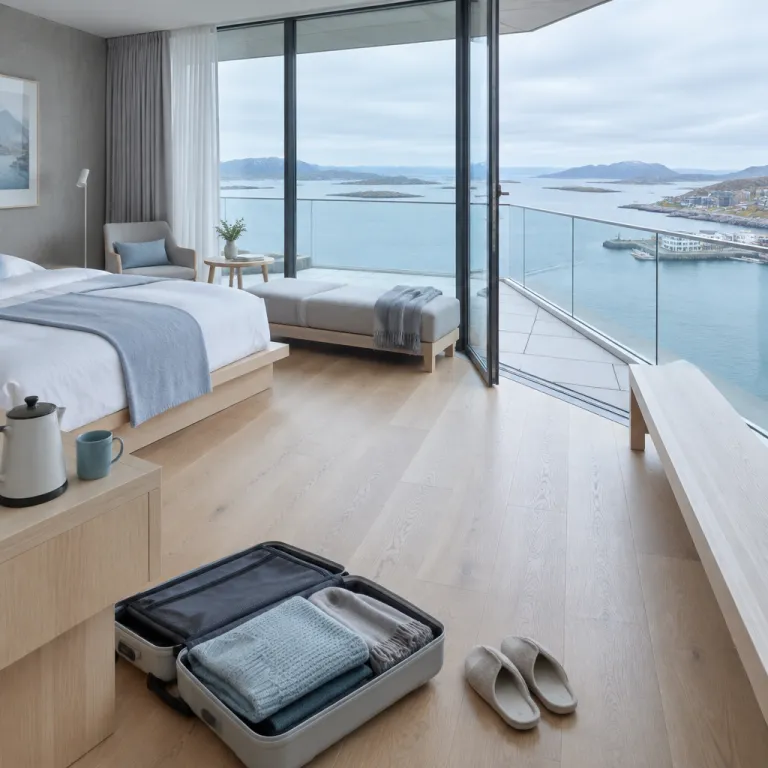
Why long stays change what a view really gives you
The phrase long stay luxury hotel extended trip value describes more than a pricing trick. It captures how an extended stay in a view focused hotel turns a pretty panorama into part of your daily rhythm, especially when you give the landscape time to breathe around you. Two nights feel like a visual hit; five or longer stays let the light, tides and city patterns settle into your memory.
On the first stay night, the view is spectacle, and the hotel windows frame a scene you rush to photograph before dinner. By the third or fourth night of a longer visit, you start to notice the term patterns of fishing boats leaving at dawn, office towers lighting floor by floor, or clouds stacking over a mountain ridge. That is where the real extended stay value lies, and why couples planning romantic stays should think in weekly monthly blocks rather than a short term dash.
Luxury stay hotels have understood that extended stays change guest expectations, especially for business travelers who now blend work and leisure. A long term reservation in a stay hotel with serious views is no longer just about square metres of accommodations but about how the housing layout, full kitchens and fully equipped work areas let you live with that skyline or seascape. When you compare traditional hotels with newer stay properties, the ones that deliver genuine long stay view value are those that treat the outlook as a daily companion, not a one time postcard.
From novelty to attachment: how views evolve over extended stays
On night one of any extended stay, your hotel view is pure novelty. You check in, drop your bags, and the first instinct is to rush to the window, because the cost of that upgrade feels justified only if you immediately consume the panorama. This is the classic two night pattern, where the stay is intense but shallow, and the landscape remains a backdrop rather than a character.
By night three of a long stay, the relationship shifts from spectacle to familiarity, especially in coastal hotels or mountain homes with dramatic weather. You start to predict when the light will hit the water, when the fog rolls in, and how the city’s business pulse changes between weekday and weekend stays. In places like overwater villas in the Maldives, which we analyse in depth in our guide to what each water villa price point actually gets you, the extended stays reveal reef colours and tidal shifts you simply never see on a short term visit.
Stay hotels that specialise in longer stays design their accommodations so you can sit with these changes rather than just glance at them. A fully furnished apartment style suite with full kitchens and a small dining table facing the window invites you to eat breakfast with the sunrise and share a late glass of wine with the city lights. That is where long stay luxury hotel value becomes emotional rather than purely financial, and why couples often report feeling genuine attachment to a specific room, not just the destination.
The economics of long stay luxury hotel extended trip value
There is a hard financial argument for long stay luxury hotel extended trip value that goes beyond romance. In many high end hotels, nightly rates drop once you cross the three or four night threshold, and extended stay pricing often becomes dramatically more favourable for weekly monthly bookings. The most expensive view is usually the two night one, because the cost per hour of actual view enjoyment is highest when you are out sightseeing for most of those 48 hours.
When you book longer stays, you spread the same fixed housing cost across more hours actually spent in the room, especially if you plan slow mornings and late afternoons facing the window. Many stay properties now publish transparent long term rates, with clear term stays discounts that rival corporate housing or serviced apartments. Traditional hotels still tend to hide their best offer structures behind loyalty programmes, but the smartest business travelers and couples use those programmes to unlock extended stays that feel indulgent yet rational.
Brands like WoodSpring Suites, Extended Stay America and Staybridge Suites pioneered the extended stay hotel model at a more functional level, with fully equipped kitchens and weekly monthly pricing aimed at business stays and relocation guests. Luxury stay hotels have borrowed that logic, adding full kitchens, apartment style layouts and fully furnished living areas to justify higher but more efficient pricing. For example, investor presentations from major groups such as Marriott and Hilton show that extended stay brands often achieve higher occupancy and lower acquisition costs per guest night than comparable traditional hotels, which helps support attractive long stay packages for couples who value time as much as design.
Destinations where longer stays transform the landscape
Not every destination rewards a long stay in the same way, so long stay luxury hotel extended trip value depends heavily on the landscape’s rhythm. Coastal cities with strong tidal ranges, such as San Francisco or Lisbon, reveal different shorelines across extended stays, and the same hotel window can frame three distinct seascapes in a single week. Mountain accommodations in places like Zermatt or Queenstown show equally dramatic shifts, as weather systems roll through and the light carves new lines on familiar peaks.
Rural wine regions and agricultural valleys are especially suited to longer stays, because the view is tied to human activity as much as nature. From a hillside stay hotel in Tuscany or Napa, you watch vineyard workers move through pruning, harvesting and evening irrigation, and the extended stay turns the view into a quiet documentary of local life. In these settings, traditional hotels that only offer compact rooms feel limiting, while apartment style housing or fully furnished homes with terraces give you space to sit outside and let the term patterns unfold.
Urban skylines also reward extended stays, particularly in cities where business and leisure overlap across different districts. A long term reservation in a high floor stay hotel in Tokyo, New York or Singapore lets you track office towers, harbour traffic and residential apartments lighting up at different hours. For couples planning romantic escapes, pairing such a city stay with curated experiences like Valentine’s Day hotel packages with serious views can turn a simple extended stay into a layered narrative of the city’s moods.
How hotels design for extended stays with serious views
Long stay luxury hotel extended trip value depends on more than a balcony and a king bed. Properties that truly understand extended stays design their accommodations as hybrid homes, with full kitchens, proper dining tables and fully equipped workspaces oriented towards the best angle of the view. The goal is to make the window the quiet centre of your daily routine, not just a backdrop behind the sofa.
In practice, that means apartment style suites rather than traditional hotels layouts, especially for couples planning longer stays that mix remote work and leisure. A well planned stay hotel will offer several stay options within the same property, from compact studio apartments for short term visits to larger apartments or homes for long term stays, all with consistent access to the best vistas. Business travelers increasingly expect this flexibility, and many now choose stay properties over classic corporate housing because the design feels residential yet curated.
Brands that began in the functional extended stay segment, such as WoodSpring Suites or Extended Stay America, have shown how full kitchens and fully furnished layouts change guest behaviour over term stays. Luxury hotels have elevated that template with higher quality materials, better acoustics and more generous balconies, while still using similar pricing logic for weekly monthly bookings. When you evaluate long stay luxury hotel value, look for details like where the dining chairs face, how many power outlets sit near the window and whether the housing layout lets you work, cook and relax without ever losing sight of the landscape you came for.
Maximising value: practical strategies for couples planning longer stays
For couples, the smartest way to unlock long stay luxury hotel extended trip value is to plan around both time and usage. Start by deciding how many waking hours you realistically want to spend in the room, because the cost per hour of view enjoyment drops sharply once you pass the third or fourth night. Then compare stay options across hotels, apartments and serviced homes, focusing on whether the accommodations layout and amenities will actually support those hours.
When you search, filter specifically for extended stay or long term offers, because many stay hotels hide their best rates behind minimum stay thresholds. Weekly monthly pricing often brings the nightly cost of a high floor apartment style suite close to that of smaller traditional hotels, especially outside peak season. If you work remotely, consider term stays that align with your business calendar, using fully equipped desks and full kitchens to turn the hotel into a temporary apartment without sacrificing the view.
Finally, treat the view as a daily ritual rather than a one off spectacle, and structure your extended stays accordingly. Plan at least one slow morning and one early night in for every two days of sightseeing, so the housing you are paying for actually frames meaningful time together. Long stay luxury hotel value emerges when the stay hotel or stay properties feel less like a splurge and more like a temporary home, where the landscape outside the window becomes part of your shared story rather than just a line on the bill.
Key figures that shape long stay view value
- In many luxury hotels, nightly rates for long term bookings drop by 15 to 30 percent once you cross a five night threshold, making extended stays significantly more efficient on a cost per hour of room use basis compared with two night visits.1
- Global accommodation data from major hotel groups shows that extended stay and term stays segments have grown faster than traditional hotels, with some brands reporting double digit percentage increases in longer stays as travelers embrace slow travel.2
- Surveys of business travelers indicate that more than half now combine business and leisure on the same trip, which increases demand for fully furnished, fully equipped suites with full kitchens and workspace that support both work and relaxation.3
- Urban properties with strong corporate housing demand often achieve higher annual occupancy by offering weekly monthly stay options, because longer stays reduce the number of empty nights between reservations and stabilise pricing.4
- Coastal and island destinations report that guests staying seven nights or more are significantly more likely to book premium view categories, suggesting that long stay luxury hotel extended trip value is most compelling when the landscape changes visibly over time.5
1 For example, STR’s “Hotel Performance: Extended Stay Segment” summaries and brand level investor presentations from companies such as Marriott International and Hilton Worldwide regularly highlight mid teens to low thirties percentage discounts on longer stays compared with flexible nightly rates, though exact figures vary by brand, season and destination.
2–5 Based on aggregated reporting from major global hotel groups and industry benchmarks such as STR and company investor presentations; exact figures vary by brand, season and destination.
FAQ about long stay luxury hotel extended trip value
How many nights make a long stay worthwhile for a view focused trip ?
For most couples, the tipping point for long stay luxury hotel extended trip value is around five nights. At that length, nightly rates often drop, and you have enough time to experience different light, weather and city rhythms from the same window. Shorter stays can still be special, but they rarely deliver the same emotional attachment to the landscape.
Are extended stay hotels or traditional hotels better for long trips ?
Extended stay hotels and stay properties usually offer better layouts for longer stays, with full kitchens, fully furnished living areas and more storage. Traditional hotels can still work well if they provide apartment style suites and thoughtful amenities, but many are optimised for short term visits. When comparing, focus on how the accommodations support daily life rather than just the headline view.
Do weekly or monthly rates really save money on luxury stays ?
Weekly monthly rates often reduce the effective nightly cost by a noticeable margin, especially outside peak holiday periods. Many luxury properties quietly offer long term or term stays discounts when you book directly or through loyalty programmes. Always compare flexible and non refundable pricing, and calculate the total cost per night including taxes and resort fees.
What room features matter most for a long stay with a great view ?
For long stay luxury hotel extended trip value, prioritise a layout that lets you face the view while eating, working and relaxing. Full kitchens or at least kitchenettes, a comfortable table, and a fully equipped workspace near natural light make a big difference. Balconies, blackout curtains and good sound insulation also matter when you are spending many nights in the same space.
Is it better to book one long stay or several short stays in different hotels ?
One long stay in a well chosen view focused hotel usually offers deeper value than several short stays, both financially and emotionally. You benefit from lower long term rates, fewer packing days and a stronger sense of place as you watch the landscape change. Multiple short stays can be exciting, but they often turn the view into a series of quick impressions rather than a sustained experience.