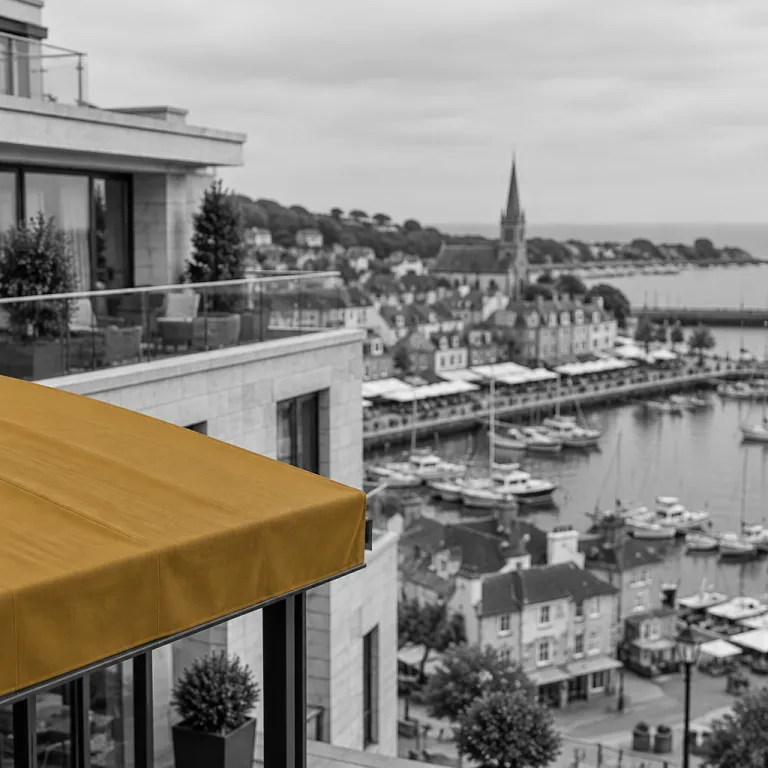
How a view led luxury hotel reshapes a small town economy
A secondary destination often changes the day a luxury hotel opens above its harbor or valley. That single property can turn a quiet local market into a focused travel ecosystem, where the wider community impact of a view led luxury hotel becomes visible in every café receipt and taxi ride. For travelers, the view from the room is the hook, but the real story is how that framed landscape starts to fund the local community in ways that last well beyond one season.
In a compact town, a new luxury hotel usually becomes one of the largest hospitality employers within months, and its payroll circulates through grocery shops, residential rents, and small business services. The ripple effect of a high end hotel in a secondary destination extends through the supply chain, as operators engage local farmers, fishers, florists, and artisans to meet food and beverage demand that spikes when occupancy climbs. When management teams commit to long term contracts with local suppliers, the hotel business can stabilise incomes that were once entirely dependent on erratic day visitor traffic. A 2023 American Hotel & Lodging Association report on hotel industry economic impact notes that each on property role can support roughly one additional job in related services, a ratio many small town officials now use when assessing new luxury projects.
For you as a guest, this economic analysis matters more than it seems, because it shapes the guest experience you actually feel in the room and around town. A property that understands how its presence reshapes a small town will help train a local équipe, rather than flying in a transient service workforce that leaves no skills behind. Over time, that investment in people and place tends to show up in warmer service, more confident tour operators, and a lodging culture where the community sees overnight guests as partners in its future, not just passing revenue. In Telluride, Colorado, for example, long term training programmes at luxury slopeside hotels have helped former seasonal staff move into year round supervisory roles, a shift local business owners now credit with steadier winter trade; as one café owner told a regional tourism survey in 2021, “when the hotel keeps people on payroll, we keep our doors open.”
The view premium and real estate ripple through the local community
Once a five star luxury hotel opens with panoramic terraces, the real estate map of a small town quietly redraws itself. Proximity to the view, and to the hotel’s hospitality services, begins to command a premium for both residential homes and mixed use buildings that blend lodging with ground floor cafés or galleries. This is where the impact of a destination resort on its host community becomes more complex, because rising values can both energise and unsettle the local community.
In many coastal villages and mountain towns across the United States, the arrival of hotels and resorts with strong brand standards has triggered a wave of branded residences clustered around the main property. These residences often share access to food and beverage venues, spa facilities, and curated guest experience programming, effectively extending the hotel industry footprint into what were once purely residential streets. When revenue management teams optimise room type pricing and branded residence sales in the same micro market, the line between hotel business and local housing stock can blur quickly. A 2022 analysis by several U.S. state tourism boards on lodging and housing markets found that neighbourhoods within walking distance of new luxury hotels saw faster rent growth than comparable districts, highlighting how the view premium can reshape who lives near the town centre.
For slow travel oriented guests, the ethical question is simple but sharp; does your direct booking at a luxury hotel support a balanced relationship with the host town, or accelerate displacement. Choosing operators that publish clear analysis of their long term housing and land use commitments will help you align your stay with your values, especially in post pandemic markets where remote workers already strain rental supply. Properties featured in in depth sustainable view hotel reports, such as those exploring whether a view led hotel can be truly sustainable, often explain how they cap overnight guests, manage occupancy, and work with local authorities to protect both landscape and community character. In several New England coastal towns, municipal housing studies now reference these hotel policies when modelling future zoning scenarios.
Tourism revenue, displacement risk, and who really benefits from the view
When a once quiet fishing port or hill town suddenly appears on global travel lists, the catalyst is often a single photogenic hotel room with a view that goes viral. That visibility drives demand not only for the hotel but for every restaurant, bar, and guiding business within walking distance, amplifying the economic footprint of the property with each new season of travelers. Yet the same fame can push local families away from waterfront streets and historic centres as prices rise faster than wages.
From an economic perspective, the hospitality sector tends to celebrate this surge, pointing to higher occupancy, longer average lodging stays, and stronger food and beverage receipts as proof of success. For residents, the lived reality can be more mixed, especially when tour operators bus in day trippers who crowd public spaces without contributing much to the hotel market or to overnight guests driven spending. The most responsible operators now run careful analysis of visitor flows, working with local councils to limit congestion and to ensure that tourism revenue funds infrastructure that benefits both guests and locals. In Bar Harbor, Maine, for instance, local authorities and hotel managers have coordinated cruise ship schedules and shuttle routes to protect access for residents while still welcoming high value overnight visitors; a 2020 town meeting transcript records one innkeeper noting that “our harbour only works if locals can still cross Main Street in July.”
As a solo explorer choosing between several hotels, you can read the local impact of a luxury property in small operational details. Look for hotels that highlight partnerships with community projects, that feature local names on wine lists, and that explain how their service model supports year round employment rather than only peak season jobs. Guides to hotels with breathtaking ocean views that elevate your stay often now include a section on community integration, helping you see beyond the window and into the wider hotel industry dynamics shaping that horizon. Internal destination guides produced by regional tourism boards increasingly echo this approach, encouraging visitors to consider both scenery and social impact when selecting a five star stay.
Operational models that anchor hotels in place, not above it
Running a luxury hotel in a secondary destination is fundamentally different from operating a flagship tower in a capital city. Seasonal demand, limited labour pools, and fragile ecosystems all shape how operators design room type mixes, food and beverage concepts, and service levels that the local community can realistically support. When management teams take their responsibility to the host town seriously, they build business plans around the town’s rhythm, not just around global loyalty programme calendars.
Some of the most resilient properties in the United States now adopt a mixed use model that combines a compact hotel with a handful of branded residences and carefully curated retail. This structure spreads risk across several revenue streams, allowing revenue management teams to keep occupancy healthy without discounting room rates in ways that flood the town with short stay party travelers. It also encourages hotels to engage more deeply with local suppliers, because a long term commitment to year round food and beverage purchasing gives farmers and fishers the confidence to invest in better equipment and sustainable practices. In Napa Valley, California, several vineyard hotels have used multi year purchasing agreements to support organic grape growers through drought cycles, a strategy documented in regional tourism reports since 2019 and now cited in local agricultural commission minutes as a stabilising force for small producers.
For guests, these operational choices translate into a more grounded guest experience, where the same faces greet you each year and where the menu reflects what the land and sea around the town can genuinely offer. A thoughtful community impact strategy will help ensure that training programmes, internships, and management tracks are open to local residents, not only to imported talent. If you are curious about how scale affects this relationship, analyses such as the 18 room bet on why the world’s most exclusive view hotels are getting smaller show how intimate properties can weave themselves into the community fabric rather than sitting apart from it, with case studies that track everything from staff retention to local supplier spend.
Single employer risk, post pandemic shifts, and how travelers can respond
When one luxury hotel dominates a small town’s hospitality landscape, the influence of that single employer can feel like a double edged sword. On one side, the property anchors jobs, supports local business ecosystems, and signals to the wider market that this place matters on the global travel map. On the other, any closure for renovation or a sudden drop in demand can ripple through every café, taxi company, and artisan workshop that depends on overnight guests.
The post pandemic era exposed this vulnerability starkly, as many hotels and resorts in secondary destinations paused operations while borders closed and demand evaporated. In towns where the hotel business had become the de facto single employer, unemployment spiked and young residents left, weakening the long term resilience of the local community. By contrast, destinations where hotels engage in joint planning with tour operators, municipal leaders, and small business associations often weather shocks better, because no single operator controls the entire hospitality value chain. A 2022 analysis by several U.S. state tourism boards noted that towns with at least three significant lodging operators recovered employment faster than those reliant on a single flagship property, with some multi operator destinations regaining pre pandemic hotel job levels almost a year earlier.
As a traveler, your choices can nudge this balance in a healthier direction, especially when you understand the mechanics behind how a luxury hotel shapes its host community. Prioritising direct booking on hotel websites keeps more revenue within the property, which in turn can support stable staffing, training, and community projects rather than high intermediary commissions. When you ask about local sourcing, sustainability certifications, and how the hotel’s analysis of its own impact informs hiring and investment decisions, you signal that the market now rewards operators who treat community well being as a core brand standard, not as a marketing afterthought. Several municipal tourism strategies published since 2021 explicitly encourage this kind of guest behaviour, framing conscious booking as part of a broader resilience plan for small towns.
FAQ
How does a new luxury hotel usually affect local jobs in a small town ?
A new luxury hotel in a secondary destination typically becomes one of the largest employers in the area within a short period. It creates direct roles in service, maintenance, food and beverage, and management, while also generating indirect jobs in transport, guiding, and supply chains. This employment base can stabilise incomes in the local community, especially when the hotel commits to long term contracts and year round operations. Studies from the American Hotel & Lodging Association have estimated that each hotel job can support roughly one additional position in related local services, underscoring how a single property can anchor a town’s labour market and influence wider economic development plans.
Can a five star hotel push local residents out of the town centre ?
Yes, rising real estate values around a successful five star property can make central neighbourhoods less affordable for long term residents. As demand for lodging, branded residences, and hospitality adjacent retail grows, landlords may prioritise short term rentals or commercial leases over local tenants. Responsible operators work with local authorities to manage this pressure, for example by supporting housing initiatives or limiting their own expansion footprint. In some New England coastal towns, hotel owners now sit on housing task forces that track rental data and recommend zoning adjustments to protect year round residents, a practice documented in several municipal housing impact reports since 2020.
What should I look for if I want my stay to benefit the community ?
Focus on hotels that explain how they source locally, train residents, and support community projects beyond basic charity. Signs of a positive relationship with the host town include partnerships with local tour operators, menus built around regional producers, and transparent reporting on employment and environmental practices. Booking directly with such properties, and choosing longer stays over quick weekends, usually amplifies your positive contribution. You can also ask staff which independent cafés, galleries, or guides they recommend, then direct part of your travel budget there; several state tourism board guides now highlight this kind of spending as a key driver of small business resilience.
Why are smaller view focused hotels often considered more sustainable in secondary destinations ?
Smaller properties with fewer rooms place less strain on local infrastructure, from water systems to waste management and narrow roads. They can tailor revenue management and occupancy strategies to match the town’s capacity, rather than overwhelming it during peak seasons. This scale also makes it easier for hotels to engage closely with neighbours, adjust service models to community feedback, and maintain a balanced relationship with the surrounding economy. In practice, a 20 room clifftop inn can often adapt quickly to new waste rules or parking limits, while a 300 room resort may struggle to change course without major investment, a contrast noted in several post pandemic sustainability assessments of coastal destinations.
What happens to a town if its main luxury hotel closes for renovation ?
When a dominant luxury hotel shuts temporarily, the immediate effects include job losses, reduced demand for local suppliers, and fewer overnight guests for restaurants and tour operators. Some towns experience a sharp drop in tax revenues and a visible slowdown in business activity, especially if the hotel had been the primary driver of the travel market. Destinations that diversify their hospitality base and encourage multiple operators to invest are generally more resilient to such closures. Where possible, communities now encourage phased renovations, so that at least part of a property remains open and continues to support local employment while upgrades are underway, a strategy referenced in several recent state tourism recovery plans.