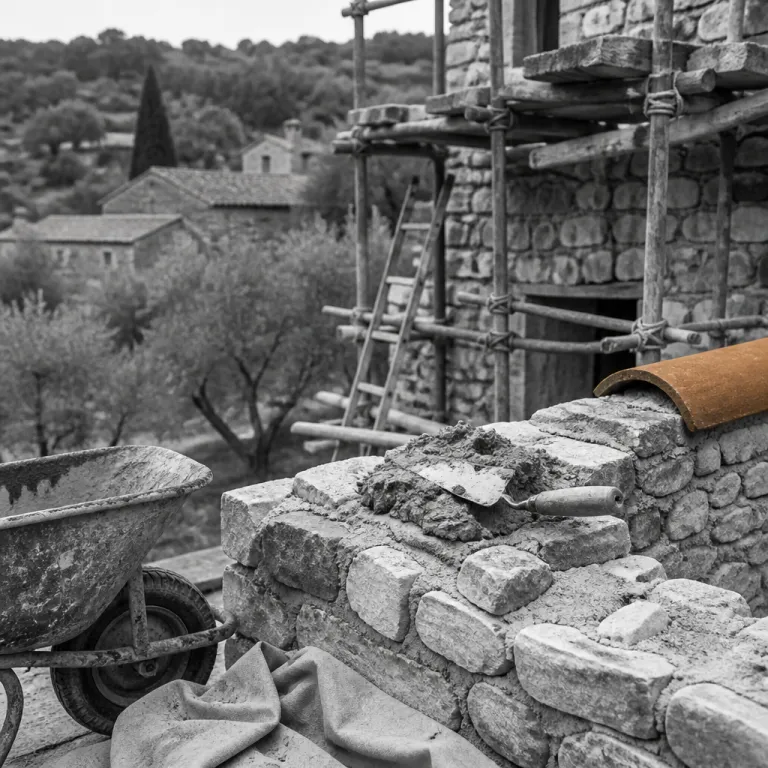
Chapter Chianti Tuscany luxury hotel: a living view across a working estate
Chapter Chianti Tuscany luxury hotel sits on a 50 hectare estate in the Chianti region of Tuscany, framed by vineyards, olive groves and cypress lines. This restored century borgo operates as a chapter in the wider story of rural Italian contemporary hospitality, where the landscape is not a backdrop but a working agricultural stage that guests watch change from room to room. For travelers who plan their travel around light and horizon, this hotel offers a rare chance to read the seasons in real time, from spring pruning to late autumn olive harvest.
The property is the second opening in the Chapter Italia portfolio, following Chapter Roma in the capital and signalling a clear shift toward slow travel destinations that sit outside the usual city circuit. Each chapter in this italia portfolio is designed to feel distinct, yet Chapter Chianti keeps a strong visual thread through its lighting by Editions Marset and Lighting DCW from DCW Éditions, which quietly underline the stone textures rather than compete with the views. For guests comparing hotels across Italy, this article positions Chapter Chianti as the rural counterpoint to Chapter Roma, with the same design DNA but a completely different horizon line.
South African architect Tristan Plessis has designed 82 rooms and suites inside the original village fabric, preserving vaulted ceilings and staircases while inserting contemporary craftsmanship. The result is a chapter chianti tuscany luxury hotel where every corridor turn frames another slice of the chianti region, from distant hilltop villas to the geometry of the estate’s 3,000 olive and cypress trees. Many rooms feel almost like a private villa wing within the borgo, and guests will notice how the window composition changes the way morning mist or late afternoon sun reads across the valley.
The main bar anchors the social life of the hotel, yet the real gathering point is often the terrace where the landscape opens toward the vineyards. From here, you understand why the property was restored rather than replaced, because the historic walls already knew how to frame the best angles of this part of Tuscany. For travelers used to purpose built resorts, the difference is immediate ; the view feels earned, not engineered, and that authenticity is what many destinations explore seekers now prioritise when choosing hotels.
Wellness at Chapter Chianti is centred on the F.A.R.M Social spa, a 500 square metre space that extends the idea of a living landscape into hydrotherapy and heat experiences. The spa includes a dry hammam, saunas and treatment rooms that open toward quiet courtyards, so guests move constantly between stone, water and filtered daylight. For those planning complex itineraries or multi stop travel, the spa functions as a reset point between urban intensity in Chapter Roma and the slower rhythm of chianti tuscany, especially after long haul flights into Florence or Rome.
Outdoors, the estate programming reinforces the sense that this chapter chianti property is part of a wider working territory rather than an isolated villa. Horseback rides trace old farm tracks, hot air balloon flights lift guests above the patchwork of fields, and truffle hunting or olive harvesting place you directly inside the agricultural cycle. If you are mapping out several destinations to explore across Italy, this borgo pairs naturally with coastal stays or alpine retreats, much like how view led resorts in California can complement wine country escapes, as shown in this guide to elegant resorts for large family reunions with unforgettable views.
Design, light and water: how Chapter Chianti stages its views
Inside the chapter chianti tuscany luxury hotel, the design language is deliberately quiet, allowing the chianti landscape to dominate every sightline. Tristan Plessis works with a restrained palette of stone, timber and metal, then layers in Editions Marset pieces and Lighting DCW fixtures from DCW Éditions to create pools of warm light that echo the Tuscan sunset. This approach to contemporary hospitality means that even interior corridors feel connected to the outside, because the lighting rhythm mirrors the day’s progression across the hills.
Rooms and suites are designed to feel like modern interpretations of a Tuscan villa, with deep window seats and generous beds oriented toward the best angles rather than the television. Many categories offer private terraces or loggias, so guests can read, work or simply watch the agricultural activity unfold without leaving their own space. For travelers comparing hotels across multiple destinations, this emphasis on view first design will matter more than square metre counts, because it directly shapes how you experience time on the property.
The swimming pool sits slightly below the main borgo level, which allows the horizon to rise above the waterline and creates a cinematic edge without resort style theatrics. From certain loungers, the pool appears to merge with the vineyards, especially in late afternoon when the light flattens and the rows of vines become graphic stripes. A dedicated pool bar serves Mediterranean leaning plates and drinks, and this Parasole style service point keeps the area feeling like a relaxed social hub rather than a high pressure scene.
Water rituals continue inside the spa, where the dry hammam and hydrotherapy zones are arranged to maintain a sense of privacy while still hinting at the estate outside. Glass panels and carefully placed openings frame fragments of stone walls or olive branches, so wellness never feels disconnected from place. Guests who value restorative stays will appreciate how the spa’s layout encourages slow circulation, in contrast to urban hotels where wellness areas can feel like afterthoughts squeezed into basements.
The main bar and secondary lounges are designed as chapters within the broader narrative of the borgo, each with its own lighting mood and view emphasis. In some spaces, Editions Marset pendants draw the eye downward to intimate tables, while in others, Lighting DCW sconces wash the original stone, pushing your gaze outward toward the windows. This layered approach means that whether you sit near the main bar, the pool bar or a quieter corner, the chianti region remains the visual protagonist.
For travelers planning complex itineraries, the way Chapter Chianti handles arrival and orientation will feel refreshingly clear. The property opens up gradually as you move from reception to room, then to pool and spa, revealing new angles of Tuscany at each step rather than overwhelming you at once. If you are used to managing reservations and contact details for multiple properties, the navigation tips in this guide to using a Lake District hotel contact number for a flawless stay can be applied here too, and you can adapt similar strategies from optimising direct communication with view focused hotels.
Rural luxury, seasonal views and how to plan your stay
Chapter Chianti positions itself as a chapter in a broader movement toward rural luxury in Italy, where secondary destinations carry as much weight as major cities. The portfolio chapter strategy from Chapter Italia, led by founder Marco Cilia, uses design forward properties like Chapter Roma and this Tuscan borgo to map a network of stays that prioritise view, culture and food over simple address prestige. For travelers, that means you can structure a trip that moves from urban energy to countryside calm without sacrificing contemporary hospitality standards.
The estate’s agricultural calendar shapes the guest experience in ways that urban hotels cannot replicate, because the view itself is constantly in motion. Spring brings bright green vines and softer light, summer sharpens the contrast between stone and foliage, while autumn layers in harvest activity that guests can watch from the pool, the main bar or their private terraces. If you time your travel around these shifts, the same room at this chapter chianti tuscany luxury hotel will feel like a different property across the year.
Culinary programming reinforces this sense of place, with the Osso restaurant focusing on Tuscan meat dishes, regional cheeses and a wine list of around 120 labels dominated by Chianti and wider Tuscan producers. Guests can book cooking classes, truffle hunts or olive harvesting sessions that start on the property and extend into neighbouring estates, turning the surrounding villas and farms into an informal open air classroom. For those who like to read menus as carefully as they read guidebooks, this depth of regional sourcing signals a serious commitment to the chianti region rather than a generic countryside aesthetic.
From a market perspective, the opening of Chapter Chianti underlines how demand for rural Italian stays has shifted from rustic simplicity toward fully formed luxury ecosystems. Travelers who once split their time between city hotels and coastal resorts now often add a countryside chapter, much as they might pair a Bermudan icon with a mainland city break, a pattern explored in analyses of how major investments reshape coastal properties such as the Fairmont Southampton redevelopment on Bermuda’s south shore. In Tuscany, that evolution means more properties like this restored century borgo, where design, wellness and landscape are treated as equal pillars rather than separate departments.
For solo explorers and small groups, the practical question is how long to stay and what to prioritise on site. A three night stay allows time for the swimming pool, spa, at least one outdoor activity and a day trip to Florence, while longer visits open space for deeper engagement with the chianti region through repeated walks, tastings and unstructured afternoons. Whatever duration you choose, the key is to treat the view as an active part of your itinerary, because at this chapter chianti tuscany luxury hotel, the landscape is not just what you see from your window ; it is the main narrative thread that ties your entire trip together.
For travelers who benchmark properties across continents, Chapter Chianti will sit comfortably alongside high end countryside hotels in France, Spain or California, yet its borgo structure and working estate context remain distinctly Italian. The combination of Chapter Italia’s design led approach, Tristan Plessis’s interiors, Editions Marset and Lighting DCW fixtures, and the agricultural setting creates a property that feels both current and rooted. As more hotels in rural destinations explore similar models, this borgo stands as a clear reference point for how to balance luxury, authenticity and a view that never stops moving.