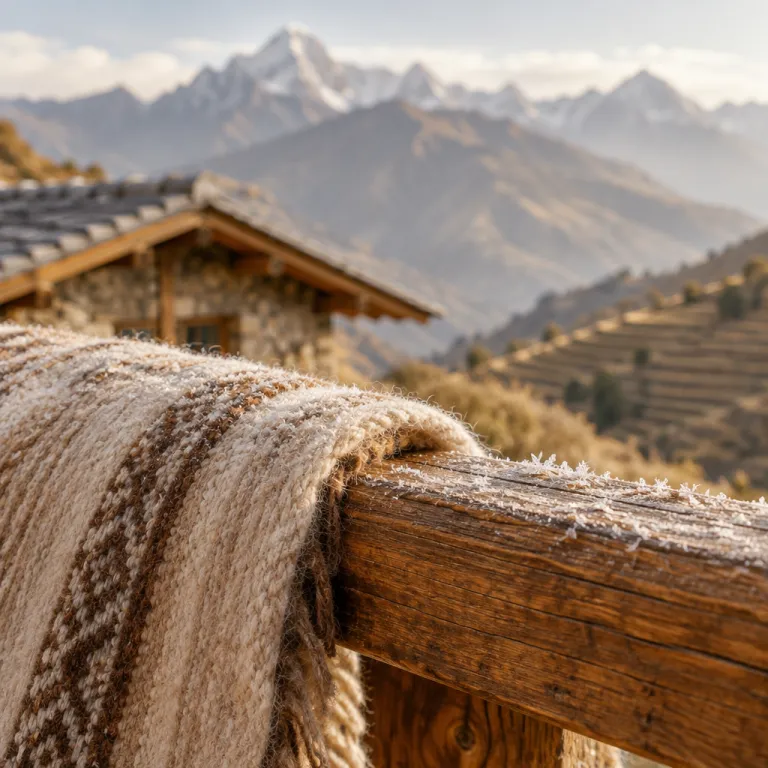
Why views change above 3,000 metres in Himalayan and Andean lodges
A high-altitude Himalayan or Andean mountain lodge sits where the air thins and the sky sharpens. Above roughly 3,000 metres above sea level, the atmosphere filters less light, colours intensify, and distant ridgelines appear closer and more sculpted. For families choosing between remote mountain retreats, this altitude threshold is where a view stops being a backdrop and becomes the main reason to stay.
In the high Andes of Perú, around Cusco and the Sacred Valley, the best luxury lodges frame peaks like Salkantay and Ausangate with almost cinematic clarity. A well positioned lodge terrace can turn a simple day walk into a masterclass in light, as clouds build and dissolve along the Salkantay trail or over the valley that leads toward Machu Picchu. The same physics apply in Bhutan and the Mustang region of the Himalayas, where a carefully designed mountain lodge uses large windows to capture the way prayer flags snap against an impossibly deep blue sky.
Families often underestimate how altitude reshapes the rhythm of a lodge day. Short day hikes feel more intense because every walk climbs away from sea level faster, yet the reward is a horizon that stretches for days and nights across multiple mountain ranges. When you return to your lodge, reliable hot showers, quiet lounges facing the mountains and warm communal spaces become non negotiable comforts, especially for children adjusting to the thin air.
Andean perspectives: Salkantay, Ausangate and the Machu Picchu corridor
The Andean side of any Himalayan–Andean lodge comparison begins in Cusco, gateway to the Sacred Valley and the Machu Picchu region. Here, a network of mountain lodges in Perú Salkantay country has redefined adventure travel for families who want serious scenery without sacrificing comfort. These lodges in Perú sit between 2,800 and 4,000 metres, so every lodge day balances acclimatisation with carefully paced day walks.
On the Salkantay route, properties such as Salkantay Lodge, Wayra Lodge and Colpa Lodge are designed so that every main room faces a different angle of the mountain. One day hike might follow a gentle trail to a glacial lake, while the next day walk traces old Inca paths that once linked Cusco to the high passes above the valley. Many families choose a days/nights itinerary that ends near Aguas Calientes, using the final lodge as a soft landing before they visit Machu Picchu at dawn.
Further east, lodges Perú specialists often pair the Salkantay experience with time in the Sacred Valley, where lower altitude makes walks easier for younger children. From here, you can plan a relaxed walk through terraced fields one day, then a more ambitious hike toward Ausangate on another, always returning to luxury lodges with enough comfort to ease tired legs. For readers who love water views as much as mountain horizons, it is worth comparing these high Andean panoramas with the lakeside perspectives highlighted in this guide to elegant places to stay in the Finger Lakes for panoramic water views.
Himalayan perspectives: Bhutan, Mani Mustang and spiritual altitude
On the Himalayan side of the high-altitude lodge equation, Bhutan and the Mustang region offer a different relationship between altitude and culture. Here, mountain lodges are often built beside monasteries or along pilgrimage routes, so the view includes both snow peaks and the architecture of devotion. A single day walk might take you past prayer wheels, terraced fields and cliffside temples before you return to a quiet lodge for tea.
In Bhutan, many luxury lodges sit between 2,500 and 3,500 metres, where the valley floors are green but the surrounding mountain walls remain snow streaked for much of the year. Families can plan a day hike to a monastery in the morning, then enjoy a gentle walk through the valley in the afternoon, always with the reassurance of hot water and a proper soak on return. Mustang lodges often face long, dry valleys where the play of light at sunset rivals any sea level coastal view, a contrast worth keeping in mind when you read about high end shoreline properties such as those featured in this analysis of what major investment buys on Bermuda’s south shore.
Parents often ask whether a Himalayan trek or a series of lodge based day walks is better for children. For most families, a sequence of lodge day hikes from a single base works best, because you gain altitude slowly and always sleep in the same comfortable bed. This is where a carefully chosen mountain lodge becomes the best form of adventure travel, offering both cultural immersion and the kind of view that makes you understand why the building stands exactly where it does.
Logistics of luxury at extreme altitude for families
Running any luxury lodge above 3,000 metres is a logistical puzzle, and families feel the benefits when it is solved well. Every piece of fresh produce, every linen set and every staff rotation must travel along the same mountain trail that guests use for a hike or walk. This is why some of the best luxury lodges partner with local communities such as Yanapacuna Perú, ensuring that supply chains support both comfort and regional livelihoods.
Altitude itself shapes how you plan your days/nights sequence in both the Himalayas and the Andes. Most experts recommend gaining no more than 300 to 500 metres of sleeping altitude per day, which is why lodge to lodge itineraries around Salkantay or Ausangate are structured as gentle staircases rather than steep leaps. This guideline appears in advice from organisations such as the Wilderness Medical Society and the World Health Organization, which emphasise gradual ascent and regular rest days for safer acclimatisation (see, for example, WMS Practice Guidelines for the Prevention and Treatment of Acute Altitude Illness, and WHO travel health guidance on high-altitude exposure).
Infrastructure details matter more than they do in a city hotel. Reliable bathrooms with hot water, oxygen support on request, and staff trained to recognise early signs of altitude sickness are non negotiable in any serious mountain lodge. When you compare options on a curated platform such as view stay, treat these practicalities with the same weight as the panorama, just as you would when evaluating an elegant coastal stay using resources like this guide to using official contacts for an elegant coastal stay in Banff, Scotland.
Planning your family stay: choosing between Himalayan and Andean lodges
For a family weighing a Himalayan or Andean luxury lodge stay, the first decision is whether culture or landscape should lead. The Andes around Cusco, the Sacred Valley and the Salkantay corridor offer a tight cluster of mountain lodges, making it easy to combine a visit to Machu Picchu with several lodge based day hikes. In contrast, Bhutan and Mustang spread their lodges across wider valleys, so each property feels more like a standalone retreat than a step on a continuous trek.
If your children are excited by Inca history, then a route that links lodges in Perú Salkantay country with time near Aguas Calientes will probably be the best fit. You might spend a few days/nights moving between Salkantay Lodge, Wayra Lodge and Colpa Lodge, then base yourselves near the valley that leads to Machu Picchu for a final walk to the citadel. Families more drawn to monasteries, prayer flags and the quiet ritual of mountain life may prefer a series of lodge day walks in Bhutan, where each hike begins and ends with the same familiar staff and view.
Whichever side you choose, treat your stay as more than a checklist of trails. Plan at least one completely unscheduled lodge day, when you simply watch how the light moves across the mountain and let children play quietly while adults read or soak in bathrooms hot enough to feel indulgent. In the end, the most memorable adventure travel moments often come not from the hardest trek, but from the stillness of a window seat where the view explains why you came so far.
FAQ
What altitude is ideal for a family stay in Himalayan or Andean lodges ?
For most families, the sweet spot for a Himalayan or Andean luxury lodge stay is between 2,800 and 3,500 metres. This range offers the clearest views while keeping altitude symptoms manageable with sensible pacing. Higher lodges can work, but they require slower ascent and more rest days, in line with guidance from high-altitude medicine specialists.
How many days and nights should we plan for a lodge based itinerary ?
A minimum of five to seven days/nights is recommended for both Himalayan and Andean lodge trips. This allows two or three days for acclimatisation, plus several lodge day hikes and at least one fully relaxed day. Families with younger children often benefit from adding an extra night at the first lodge, a pattern echoed in many established trekking itineraries.
Is a trek between lodges better than staying in one place with day walks ?
Moving between mountain lodges on a trek offers a strong sense of journey, especially on routes like Salkantay in Perú. However, for families or first time high altitude travelers, staying in one lodge and taking day walks can be more comfortable and flexible. Both approaches can deliver exceptional views if the lodge locations are well chosen.
How should we prepare children for altitude in the Himalayas or Andes ?
Preparation starts with a checkup from a pediatrician familiar with high altitude travel. Once on site, keep the first day light, encourage slow walking, and prioritise hydration and sleep over ambitious hikes. Choosing lodges with staff trained in altitude awareness adds an extra layer of safety and aligns with recommendations from organisations such as the Wilderness Medical Society.
Are luxury lodges at altitude suitable for travelers who are not very fit ?
Yes, many luxury lodges above 3,000 metres design their programmes around gentle walks rather than demanding treks. Guests can enjoy panoramic views from terraces and lounges, then opt into short, guided walks tailored to their fitness level. The key is to communicate your limits in advance so the lodge team can adjust the pace.