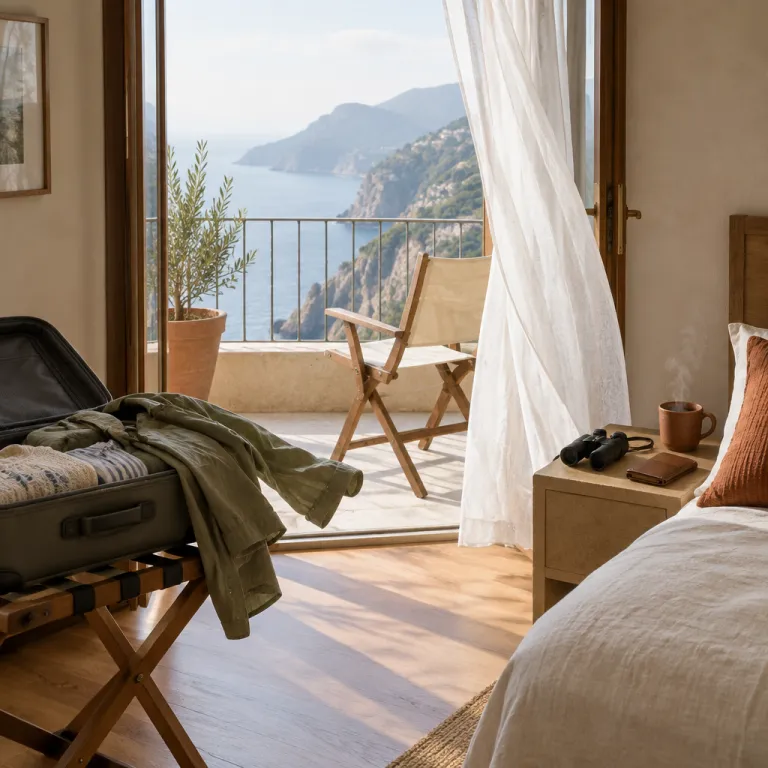
Why shoulder season turns a standard hotel room into a view upgrade
Think of hotel view upgrade shoulder season value as a timing strategy, not a splurge. When you book a hotel in the quieter shoulder months, the same hotel room that felt overpriced in peak summer suddenly becomes the best seat in the house, because light, crowds and rates all shift in your favour. For solo luxury travelers who care more about the window than the minibar, the smartest upgrade is often choosing the right season rather than paying for a higher room category.
Across many luxury hotels in Europe and Asia, average daily rates in shoulder season fall by 20 to 40 percent compared with peak summer, which means a standard room with a clean sea view can cost less than a courtyard room did a few weeks earlier. That price drop is where real hotel view upgrade shoulder season value lives, because you can redirect the difference into a longer stay, a better destination or a strategic room upgrade at check in. When you treat time as your main upgrade tool, every vacation and every stay becomes a more deliberate piece of luxury travel rather than a rushed escape.
The light itself changes in september october, and that matters more than many travelers realise. A lower sun angle softens the glare that can flatten ocean views in high summer, so the panorama from regular rooms feels richer, with warmer tones and longer shadows that stretch across the bay. In this calmer season, even vacation rentals and smaller hotels with modest rooms can deliver hotel view upgrade shoulder season value that rivals a luxury hotel suite in August, simply because the time you visit lets the landscape perform at its best.
Where september and october deliver the best view value
The Mediterranean is the clearest example of hotel view upgrade shoulder season value, especially along the Amalfi Coast, the Greek islands and Spain’s Balearics. By september october, peak summer crowds have thinned, yet sea temperatures remain comfortable and many hotels quietly reduce rates by a third, so a standard sea facing hotel room can suddenly feel like a private terrace. For a solo traveler, that means you can book a smaller category and still enjoy a front row window onto the water, while using the savings to extend your stay or plan a second vacation later in the year.
Japan offers a different kind of shoulder season magic in early autumn, just before peak foliage travel begins in Kyoto and the Japanese Alps. During this brief season, city hotels and mountain ryokan often have more rooms available, which increases your chances of a complimentary room upgrade or at least a better floor with a wider view over temples, rivers or gardens. If you are view focused, this is where hotel view upgrade shoulder season value becomes tangible, because the same rooms that will sell out at higher rates a few weeks later are still accessible and calm, with softer light and fewer tour groups outside your window.
Urban destinations can also reward careful timing, especially skyline cities where the view is vertical rather than coastal. In New York, for example, late september and early october often sit between summer tourists and the pre holiday rush, which is when some of New York’s best hotels with a view quietly release more competitive rates on high floor rooms. For luxury travelers who care about hotel view upgrade shoulder season value, this is the moment when a standard category facing the skyline can outperform a peak season suite that looks onto an air shaft, because the time you visit dictates both price and perspective.
How to turn timing, cards and emptier hotels into real upgrades
Once you have chosen your season and destination, the next layer of hotel view upgrade shoulder season value comes from how you book and how you arrive. Lower occupancy in shoulder season gives front desk teams more flexibility, which is why polite, informed requests for a room upgrade or late check out are far more likely to succeed when the hotel is not running at full capacity. Solo luxury travelers who arrive midweek, stay at least two nights and show genuine interest in the property’s architecture and views often find that standard rooms quietly become better rooms without extra cost.
Credit strategy matters as much as timing, because the right credit card can turn a regular stay into a small suite of benefits. Many premium credit cards aimed at luxury travel include on property travel credit, complimentary room upgrades when available and late check out guarantees, especially through Visa Signature style hotel collections or bank specific capital travel portals. When you combine those benefits with hotel view upgrade shoulder season value, a simple standard room in a luxury hotel can come with breakfast, a better floor and a more dramatic window, all while you save money compared with booking a higher category in peak summer.
For resort destinations, this stacking effect becomes even more powerful. In the Maldives or similar island destinations, shifting your time visit from peak summer to shoulder months can mean the difference between an entry level villa and an overwater category, as detailed in this guide to what each water villa price point actually gets you. Combine that with hotel view upgrade shoulder season value, a well chosen credit card and flexible dates, and you may find that the rooms you once considered aspirational become realistic, especially when you track offers through social media and loyalty newsletters rather than waiting for last minute deals.
When a standard room beats a peak season suite
The final piece of hotel view upgrade shoulder season value is psychological, because an emptier hotel changes how space feels and how you inhabit it. In shoulder season, shared terraces, pools and lounges often feel semi private, so the view you enjoy from a standard hotel room extends into every public area without the background noise of peak summer. That sense of calm is why a modest category in september october can feel more luxurious than a suite in August, when every lounger and bar stool is occupied.
There is also a visual difference that goes beyond price and crowds. In many Alpine destinations, for example, the period between summer hikers and winter skiers brings crisp air, clear horizons and long golden hours, which is why this guide to view hotels where altitude cools the season highlights properties that shine outside peak dates. In those weeks, a simple mountain facing room can outperform a peak season suite that looks onto a busy access road, because the landscape is quieter, the light is cleaner and your own pace of travel slows down enough to notice small shifts in the sky.
For solo luxury travelers, this is the real upgrade. You are not just chasing room upgrades or stacking credit cards for the sake of status ; you are using hotel view upgrade shoulder season value to align your stay with the moment when a destination breathes more slowly and the view feels like it belongs to you. When you choose your season first, then your hotel, then your specific room, you turn every vacation into a considered act of luxury travel rather than a race to secure the last suite at any price.
FAQ
How much cheaper is shoulder season compared with peak summer for view rooms ?
In many Mediterranean and Alpine destinations, shoulder season rates for standard sea or mountain view rooms are typically 20 to 40 percent lower than peak summer prices. Luxury hotels in major cities may show smaller drops, often around 10 to 25 percent, but they also tend to release more high floor inventory. This combination of lower rates and better availability is the foundation of hotel view upgrade shoulder season value for independent travelers.
Is it easier to get a complimentary room upgrade in shoulder season ?
Yes, lower occupancy in shoulder season usually gives front desk teams more flexibility to offer complimentary room upgrades, especially for longer stays or repeat guests. You increase your chances by arriving earlier in the day, being polite and specific about preferring a better view rather than more space, and by booking directly or through a premium credit card program that includes upgrade benefits. While nothing is guaranteed, hotel view upgrade shoulder season value often appears in these quiet, unscripted gestures.
Which destinations offer the best shoulder season view value for solo travelers ?
For solo luxury travelers, the Mediterranean coasts, Japan in early autumn and Alpine resorts between hiking and ski seasons consistently deliver strong hotel view upgrade shoulder season value. These destinations combine softer light, fewer crowds and meaningful rate drops, so a standard hotel room can feel elevated without a suite level price. Urban skylines like New York or Hong Kong also reward shoulder season visits, when high floor rooms are easier to secure at reasonable rates.
Should I use points or a travel credit for shoulder season stays ?
Using loyalty points or an annual travel credit during shoulder season can stretch your benefits further, because cash rates are already lower and upgrade availability is higher. Many premium credit cards offer travel credit that can offset taxes, fees or on property spending, which enhances hotel view upgrade shoulder season value without extra cash outlay. If you have flexible dates, compare the points cost and cash cost across several weeks to find the sweet spot where both are favourable.
How can I tell if a standard room will have a good view before I book ?
Before you book, study the hotel’s floor plans, room descriptions and guest photos, paying close attention to which sides of the building face water, parks or skylines. Cross check this with satellite maps and recent social media posts from the property, which often reveal the real view from specific room types. This research, combined with shoulder season timing, helps you unlock hotel view upgrade shoulder season value by choosing a modest category that still frames the landscape beautifully.
Sources
Business Upturn ; Skift ; Condé Nast Traveler.