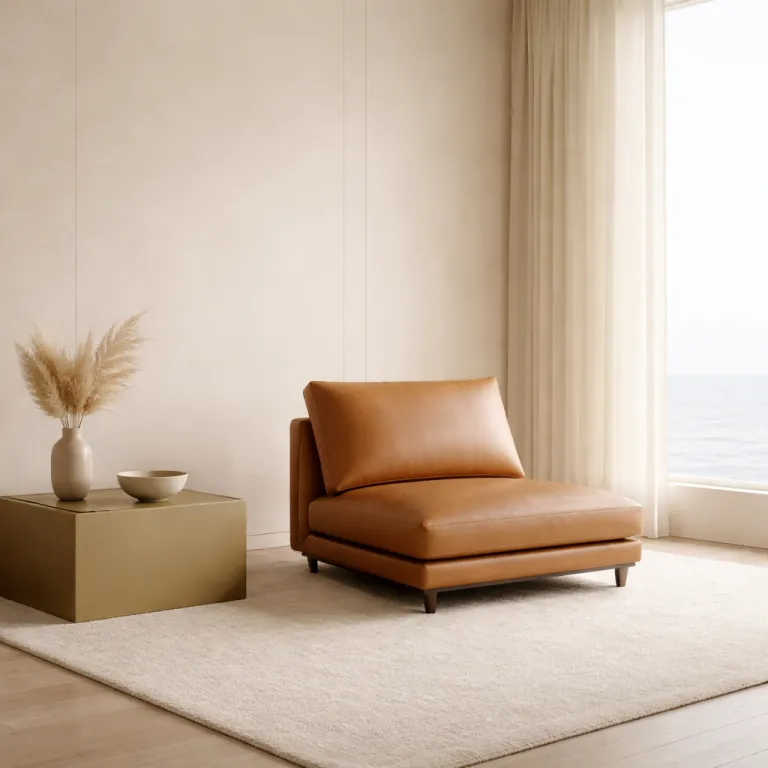
From beige safety to view led character
For a decade, luxury hotel interiors blurred into the same beige haze. Global hospitality brands chased Instagram friendly neutrality, prioritizing consistency over character and flattening the sense of place in many hotels. The result was hospitality design that felt polished yet strangely placeless, especially in properties built around extraordinary views.
This neutral interior design strategy made commercial sense for large hotel groups, because beige interiors photograph easily, age slowly and offend almost no guest. Risk averse owners saw monochrome room design and pale hotel interior palettes as insurance against fast changing trends and costly refurbishments. But as luxury hotel design trends 2026 take shape, travelers who book for the view now expect interiors and spaces that frame that panorama with intent, not just sit beside it politely.
Executives extending business trips into leisure are leading this shift, because they know exactly what a generic space feels like after a week of meetings. When you arrive late, open the curtains and face a skyline or ocean, you want the interior to echo that drama, not mute it with greige walls and anonymous materials. The most interesting luxury hotels now treat every window as a cinematic device, creating hospitality interior compositions where color, texture and light push your eye toward the horizon rather than back to the television.
Quiet luxury still matters, but it no longer means colorless. Scott LaMont, Chief Executive Officer and Principal at EDSA, outlines ten luxury hospitality design trends for 2026. His perspective aligns with what we see on view led booking platforms, where guests feel drawn to hotels that balance calm interiors with a strong sense place and visible cultural authenticity.
Minimalism is evolving from visual emptiness into intentional editing. The best hotel design teams now start with the view, then strip away anything that competes with it, before adding back a few bold gestures that anchor the room design to local culture. This approach to hospitality interior thinking respects wellness focused needs for mental clarity while still creating a memorable experience that justifies premium rates.
For travelers, the practical takeaway is simple yet powerful. When you evaluate luxury hotel design trends 2026 on a booking site, look beyond the wide angle lobby shot and study how each space feels in relation to its windows. Ask whether the interior design is creating a dialogue with the landscape, or whether the hotel is still hiding behind the old beige safety blanket that made so many spaces interchangeable.
Hyper local interiors and the end of beige
The most compelling luxury hotel design trends 2026 are rooted in hyper local thinking. Instead of rolling out identical interiors across continents, global hospitality brands are commissioning artisans, sourcing natural materials and letting local culture shape each hotel interior. This is not themed décor ; it is a structural shift toward cultural authenticity and immersive storytelling through design.
Preferred Hotels & Resorts has already highlighted the rejection of beige design as a defining movement in luxury hotels, and the evidence is visible from city skylines to remote coastal retreats. Properties that once relied on safe palettes now use saturated colors, textured materials and crafted details to make each space feels anchored to its surroundings. In parallel, DLR Group’s hospitality research shows that authentic storytelling in hospitality design correlates with higher guest satisfaction, especially when guests feel that the interiors reflect the destination rather than a corporate template.
For view focused travelers, this hyper local interior design revolution changes how you read photos on a booking page. A clifftop hotel that uses local stone, handwoven textiles and regionally sourced wood is not just following sustainability rhetoric ; it is using natural materials to extend the landscape into the room design. When that same property aligns its color palette with the sea or desert outside, the interior becomes a frame that makes the view more vivid and the overall experience more layered.
Some of the most interesting case studies come from hotels that once leaned heavily on beige and then pivoted. After renovations that embraced bolder hotel design choices and stronger references to local culture, several reported higher occupancy and longer average stays, because guests feel they are finally getting a sense place rather than a generic luxury box. These shifts show that creating emotionally resonant interiors is not just an aesthetic decision ; it is a long term commercial strategy.
If you want to go deeper into how this aesthetic shift plays out, read the dedicated analysis on the end of beige and why luxury hotels are finally rejecting neutral design at view-stay.com. That piece unpacks how hospitality interior decisions influence rate premiums, repeat guests and even the way sunrise and sunset are experienced from specific rooms. Together with this article, it forms a practical toolkit for evaluating design trends when you choose where to stay.
One nuance deserves emphasis for business leisure travelers who value calm. The new wave of luxury hotel design trends 2026 does not mean every wall becomes loud or every piece of furniture shouts for attention. The most sophisticated hotels use bold moves sparingly, allowing key spaces to carry strong identity while keeping wellness focused zones like bedrooms and spas tuned for rest, balance and quiet luxury.
Wellness focused design that works with the view
Wellness has moved from spa menu to structural principle in luxury hotels. Skift reports that around 70 % of travelers now seek wellness focused accommodations, and that demand is reshaping both hospitality design and the way spaces are planned around light, air and views. In parallel, DLR Group notes that biophilic design and immersive storytelling through interiors can measurably lift guest satisfaction scores.
In practice, this means that luxury hotel design trends 2026 treat daylight as a primary material. Architects and interior design teams are orienting rooms so that beds face the view, desks sit in natural light and circulation routes reveal panoramas gradually rather than all at once. Advanced lighting systems tuned to circadian rhythms, combined with natural materials like stone, timber and linen, help guests feel grounded after long haul flights and late meetings.
Wellness is also about mental clarity, not just spa rituals. Many new hotels adopt a quiet luxury language in their interiors, editing visual noise while still rejecting the old beige monotony that once defined global hospitality. Jennifer Garner’s minimalist and zen inspired poolside retreat, widely covered in design media, mirrors this shift toward spaces that are calm yet characterful, showing how a restrained palette can still feel warm when layered with texture and thoughtful materials.
Technology now underpins much of this wellness focused evolution. Around half of luxury hotels are adopting AI for personalization, using guest data to adjust room design settings such as lighting, temperature and even curtain positions before arrival. When done well, this hospitality interior intelligence means you walk into a place that already feels tuned to your preferences, from the way the space feels at sunrise to how the view is framed for an evening video call.
For travelers booking through a view centric platform, the checklist should start with how wellness and views intersect. Look for hotel design that integrates biophilic elements like indoor greenery, operable windows and terraces that blur the line between interior and exterior spaces. Then assess whether the hotel interior uses color and texture to calm the eye toward the horizon, rather than cluttering the frame with decorative noise that competes with the landscape.
Long term, these wellness driven design trends will separate properties that simply have a good view from those that create a genuinely restorative experience. The former rely on geography alone, while the latter orchestrate every element of hospitality design so that guests feel both physically and psychologically aligned with the place. For business leisure travelers, that alignment can mean arriving stressed and leaving with a reset sleep pattern, a clearer head and a stronger memory of the view that framed the stay.
How to read design when you book a view led stay
Choosing a hotel for its panorama now requires a more critical eye. Luxury hotel design trends 2026 have raised expectations, and travelers who care about both hospitality and aesthetics need to evaluate interiors as carefully as they judge the skyline or seascape. The beige era taught us that a great view can be dulled by a lifeless room, while the new wave of design shows how the right interior can make a familiar city feel newly charged.
Start by studying how each photo frames the outside world. Does the room design position the bed, sofa or bath to face the view, or are key pieces turned inward toward a screen, suggesting that the hotel still thinks of the window as background rather than protagonist ? Pay attention to how the space feels at different times of day, looking for images that show morning light, evening glow and the way artificial lighting supports or flattens the atmosphere.
Next, read the materials and colors as clues to cultural authenticity. Hotels that use local stone, regional textiles and crafted details are usually creating a stronger sense place than those relying on generic finishes, even when both claim luxury status. When guests feel that the interior tells a story about local culture, from art on the walls to the way natural materials echo the landscape, the overall experience becomes more immersive and memorable.
View led travelers should also consider sustainability and long term comfort. Properties that invest in durable materials, thoughtful shading and energy efficient glazing are not only reducing environmental impact ; they are also keeping rooms cooler, quieter and more comfortable for guests who work and rest in the same spaces. Sustainability in hospitality design is no longer a marketing add on but a core part of how luxury hotels signal seriousness and respect for their surroundings.
For a deeper framework on evaluating vistas themselves, use the practical guide on how to choose a hotel view that elevates every stay at view-stay.com. Combine that lens with the design principles outlined here, and you will quickly see which hotels are creating coherent hospitality interior narratives and which are still relying on a single hero shot. Over time, this way of reading interiors will help you identify properties where guests feel genuinely connected to both the room and the landscape.
Finally, be wary of properties that use the word boutique hotel or boutique hotels as a substitute for substance. Labels matter less than the actual hotel interior, the quality of the design trends being applied and the way each space feels when you imagine yourself stepping into it after a long flight. The most rewarding hotels, regardless of size, are those where every design decision — from room layout to materials — has been made in service of the view, the wellness of the guest and the story of the place.
Key figures shaping the new era of luxury hotel design
- Around 70 % of travelers now actively seek wellness focused accommodations, according to Skift, which explains why wellness integration has become central to luxury hotel design trends 2026 rather than a peripheral amenity.
- Approximately 50 % of luxury hotels are adopting AI for personalization, based on analysis from 50 Best Hotels, signaling a rapid shift toward hospitality design that adapts room settings and view framing to individual guest preferences.
- Preferred Hotels & Resorts has identified the rejection of beige design as one of the core trends defining luxury travel, confirming that guests increasingly reward hotels whose interiors show cultural authenticity and a strong sense place.
- DLR Group’s hospitality trends reporting links authentic storytelling through design with higher guest satisfaction scores, reinforcing the commercial value of immersive storytelling and locally rooted interiors in luxury hotels.
- Industry case studies of renovated properties show that hotels which move from generic beige interiors to bolder, locally expressive hotel design often see higher occupancy and longer stays, underlining the long term ROI of investing in characterful spaces.
References
- Hospitality Net – analysis of emerging luxury hospitality design trends and expert commentary from Scott LaMont.
- Skift – reporting on traveler demand for wellness focused accommodations and its impact on hotel design.
- 50 Best Hotels – insights into AI adoption and personalization trends in global hospitality.