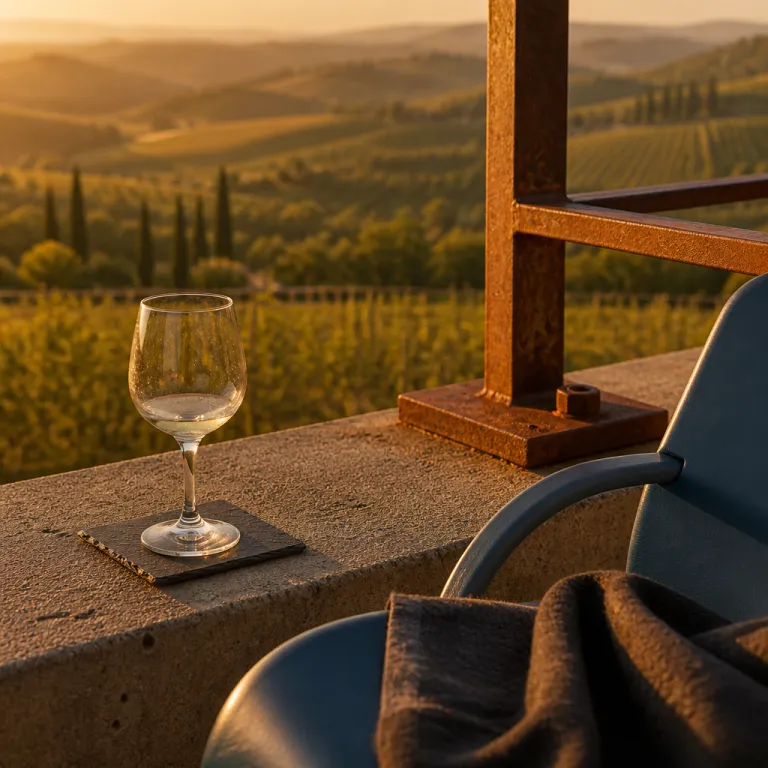
Why a Tuscany winery hotel is the ultimate scenic retreat
A carefully chosen Tuscany winery hotel turns a simple stay into a fully immersive journey. In this part of Italy, many historic estates sit within a living landscape of vineyards and olive groves, framed by cypress lined lanes and distant hill towns. The result is a rare combination of wine country authenticity, modern comfort and quietly attentive luxury.
Travelers who book a wine resort here are usually seeking more than just elegant rooms and a pleasant view. They want a country house atmosphere where guests enjoy direct access to working wine estates, guided tastings of Tuscan wine and time to walk among hectares of vineyards and olive fields. When you choose your hotel carefully, you gain both a refined base for exploring Tuscany and a front row seat to the region’s best wine traditions.
The region counts several hundred wineries, so selecting the right wine hotels requires a structured approach. Start by deciding whether you prefer a historic castello style property, a restored farmstead surrounded by vineyards, or a more contemporary wine estate with spa facilities. Then check availability across several dates, because the most sought after rooms with panoramic views over the countryside often sell out months ahead.
Key players in Tuscany’s wine hotel scene
Certain addresses stand out for travelers who value both character and service in a Tuscany winery hotel. Fattoria La Loggia, for example, occupies a historic estate that blends art, sculpture and hospitality, with a sweeping view over vineyards and olive groves in the Chianti Classico area. Il Falconiere Relais & Spa near Cortona offers a seventeenth century villa setting, Michelin starred dining (one star in the Michelin Guide Italy 2024) and a strong focus on Tuscan wine pairings.
Valdonica Winery & Residence operates as an organic wine estate with self catering apartments, ideal for guests who want more privacy and the freedom to linger among hectares of vineyards. Il Borro Relais & Châteaux has transformed a medieval village into a refined country house style hamlet, where guests enjoy cobbled lanes, a working wine estate and a sense of living history. Castello di Bonaria, a nineteenth century residence with spa and rooms overlooking the Tyrrhenian coast, adds a coastal dimension to the usual inland wine country experience.
These properties illustrate how a wine resort can combine heritage architecture, attentive service and panoramic views without sacrificing modern comfort. When you book any of them, you are not just reserving rooms in a hotel; you are securing direct access to vineyards, cellars and curated tastings led by professionals. Before you confirm your booking, always check the hotel website for seasonal events, special wine estate collaborations and any limits on tour availability.
How to choose the right Tuscany winery hotel for your trip
Selecting the right Tuscany winery hotel begins with clarifying what you want from the stay. Some travelers prioritise a quiet country house atmosphere with only a few rooms and a very private feel, while others prefer larger wine resorts with full spa facilities and multiple restaurants. Your expectations around wine experiences, panoramic views and proximity to famous vineyards will shape the best choice.
Location within Tuscany matters more than many guests realise when they first book. If you are passionate about Chianti Classico, staying on or near a wine estate in that zone reduces driving time and lets guests enjoy tastings without long transfers. Those more interested in coastal wines or a mix of sea and countryside might look toward estates like Castello di Bonaria, which combine a hillside view with access to the Tyrrhenian coast.
Room categories also deserve close attention before you check availability and confirm your booking. Entry level rooms may offer comfort but limited views, while suites or corner rooms often provide the most dramatic panoramic views over vineyards, olive fields and rolling countryside. When you contact the hotel, ask which rooms face the main vineyards, which overlook olive groves and which enjoy the quietest position for a truly private stay.
Evaluating wine, food and wellness offerings
Not every Tuscany winery hotel offers the same depth of wine programming, so read inclusions carefully. Some wine hotels focus on daily tastings of their own Tuscan wine, while others arrange visits to neighbouring wine estates, including producers of Chianti Classico and lesser known appellations. If you want to compare the best wine styles across the region, choose a property that collaborates with several vineyards rather than only its own cellars.
Culinary standards vary as well, from simple country cooking to Michelin starred dining as seen at Il Falconiere Relais & Spa. Guests who care about food and wine pairing should check restaurant menus in advance and look for tasting menus built around estate wines. Wellness seekers may prefer a wine resort with a spa, thermal pools or vineyard facing treatment rooms, where the view becomes part of the relaxation ritual.
Architecture and design influence the overall feel of your stay, especially in historic estates that have been carefully restored. Some hotels lean into a rustic country house aesthetic, while others highlight contemporary art and modern comfort within centuries old walls. Whatever your preference, ensure that the hotel’s style, wine focus and level of privacy align with how you personally like to enjoy Italy’s wine country.
Mastering booking strategies for high demand wine hotels
Securing the right Tuscany winery hotel often requires more planning than a standard city break. These properties usually have a limited number of rooms, and the most coveted suites with vineyard view terraces are booked far in advance. Spring and autumn, which coincide with pleasant weather and harvest activities, are particularly competitive periods for availability.
For peak seasons, aim to book at least several months ahead and always check availability across flexible dates. Many wine estates host special events, from harvest experiences to winemaker dinners, which can reduce room inventory on specific weekends. If your schedule allows, arriving midweek rather than on a Friday or Saturday can significantly improve your booking options and sometimes your rate.
- Use hotel websites and trusted travel agencies for real time availability and detailed room descriptions.
- Contact the property directly to ask about unlisted packages that bundle accommodation with tastings and transfers.
- Compare minimum stay requirements, especially around harvest and public holidays.
Some estates, for example, offer two night stays that include a guided walk through the vineyards, a cellar tour and a paired dinner, which can represent better value than booking each element separately.
What to check before you confirm
Before you finalise your booking, verify what is included in the nightly rate at your chosen Tuscany winery hotel. Some wine resorts include daily tastings, access to private areas of the wine estate and guided walks through hectares of vineyards and olive groves, while others charge separately for each activity. Clarify whether breakfast, parking and use of spa facilities are part of the package or optional extras.
- Confirm check in and check out times, especially if you plan to arrive after dark.
- Ask whether the estate offers late harvest or winter experiences if you are travelling in the off season.
- Request written confirmation of any special inclusions, such as private tastings or room upgrades.
Transport logistics deserve attention, especially in rural parts of Tuscany where public transport is limited. Ask the hotel whether they can arrange transfers from the nearest train station or airport, and check driving times to key villages or other wine estates you plan to visit. If you intend to explore widely, confirm that your country house style hotel offers secure parking and clear directions, as some estates are reached via unpaved countryside lanes.
Finally, review cancellation policies and any seasonal conditions that might affect your stay, such as harvest related restrictions on vineyard access. A flexible rate can be valuable if you are coordinating multiple wine hotels across Italy or combining Tuscany with other wine country regions. Once everything aligns, you can book with confidence, knowing that your rooms, experiences and panoramic views are secured.
Design, views and the art of framing Tuscany’s landscapes
The most memorable Tuscany winery hotel stays are defined as much by design as by wine. Architects and interior designers work carefully to frame each view, whether it is a window overlooking vineyards and olive groves or a terrace facing a distant castello. This attention to sightlines echoes the philosophy behind certain coastal resorts where every terrace faces the sea, proving that orientation is a form of quiet luxury.
In wine country, panoramic views are not just decorative; they shape how guests enjoy each moment of the day. Morning light over the countryside invites slow breakfasts on the terrace, while sunset behind hectares of vineyards and olive fields sets the stage for aperitivo with a glass of Tuscan wine. When a hotel positions its pool, spa and dining spaces to capture these scenes, the entire estate feels more immersive and coherent.
Historic estates like Fattoria La Loggia and Il Borro Relais & Châteaux often integrate contemporary art or refined furnishings to balance heritage with modern comfort. Stone walls, timber beams and original farm structures are preserved, while bathrooms, bedding and climate control meet current expectations of luxury. This blend allows guests to feel the weight of history without sacrificing the ease of a well run hotel in Italy’s most celebrated wine country.
Room types and the value of a great view
When comparing room categories at a Tuscany winery hotel, pay close attention to how each type engages with the landscape. A standard room may be perfectly comfortable but face an inner courtyard, while a higher category might offer a sweeping view over vineyards, olive groves and distant hills. That difference can transform your perception of the entire stay, especially if you plan to spend relaxed afternoons on your balcony.
- Standard rooms: best for value, sometimes limited views or courtyard outlooks.
- Junior suites: more space, often with balconies or terraces facing vineyards.
- Full suites and corner rooms: dual aspects, expansive countryside panoramas.
Suites and corner rooms often provide the most dramatic panoramic views, sometimes with dual aspects over both vineyards and a nearby castello or hill town. These rooms usually cost more, yet for many guests the upgrade delivers better value than adding extra activities, because the view enhances every quiet moment. One couple who stayed in a hilltop suite at a Chianti Classico estate described the sunrise over the vines as “the moment that justified the entire trip”.
Some wine resorts also offer private villas or annexes within the estate, ideal for families or groups of friends. These can feel like independent country houses, yet still grant access to the main hotel’s wine tastings, restaurants and pools. If you choose this option, confirm how far the villa sits from the central buildings and whether it is surrounded by vineyards, olive groves or woodland, as this will shape both privacy and atmosphere.
Immersive wine, food and countryside experiences
Staying at a Tuscany winery hotel gives you privileged access to experiences that day visitors rarely enjoy. Many estates organise guided walks through hectares of vineyards and olive groves, where you learn how soil, exposure and grape varieties influence the best wine styles. These tours often end in the cellar, where tastings of Chianti Classico and other Tuscan wine labels are paired with local cheeses and cured meats.
Some wine hotels go further, offering blending workshops, harvest participation and vertical tastings of older vintages from their wine estates. Guests enjoy the chance to compare different parcels within the same wine estate, gaining a deeper understanding of how micro terroirs shape aroma and structure. For serious enthusiasts, properties like Valdonica Winery & Residence or Il Borro Relais & Châteaux can arrange private sessions with winemakers, tailored to your level of knowledge.
Beyond wine, many estates curate activities that showcase the wider countryside, from truffle hunts to cycling routes between neighbouring vineyards. Wellness focused travelers may choose a wine resort with a spa that uses grape based treatments, allowing the aromas of wine country to infuse massages and facials. Families often appreciate properties that balance adult oriented tastings with gentle hikes, cooking classes and pool time, making Tuscany’s rural landscape accessible to all ages.
Connecting wine country stays across regions
Experienced travelers sometimes link a Tuscany winery hotel stay with other scenic retreats around the world. The same criteria that help you evaluate vineyard facing rooms in Italy can guide your choices for safari lodges with dramatic views or mountain resorts with lake panoramas. When you understand how orientation, landscape and service interact, you can compare very different destinations through a consistent lens.
For example, a traveler who values uninterrupted views over hectares of vineyards might also appreciate lodges where every suite faces a sweeping savannah or river valley. In both cases, the sense of space and direct connection to nature becomes central to the experience, beyond the specific activities offered. Thinking this way encourages you to prioritise properties that treat the surrounding landscape as a core part of their identity, not just a backdrop.
When planning multi stop itineraries, consider how each wine estate or scenic lodge complements the others in terms of pace, activities and level of luxury. A few nights in a quiet country house surrounded by vineyards can pair well with a more adventurous stay elsewhere, provided both share a commitment to thoughtful design and attentive service. This approach turns your journey into a curated sequence of views, tastes and textures rather than a series of unrelated bookings.
Practical tips for a seamless Tuscany winery hotel stay
Once you have chosen your Tuscany winery hotel, a few practical steps will help your stay run smoothly. First, confirm all details of your booking in writing, including room category, view orientation and any included wine experiences. This reduces the risk of misunderstandings on arrival, especially at busy times when multiple guests check in simultaneously.
Transport planning is essential in rural Tuscany, where estates may sit several kilometres from the nearest village. If you are not renting a car, ask the hotel to arrange transfers and check the cost in advance, as countryside taxis can be limited. Drivers should also request clear directions, because some wine estates are reached via unmarked lanes that do not always appear accurately on navigation systems.
Packing with the countryside in mind will increase your comfort during vineyard walks and cellar visits. Bring sturdy shoes for exploring hectares of vineyards and olive groves, a light jacket for cool evenings and appropriate attire for Michelin level restaurants if your hotel offers fine dining. Remember that many estates are working farms, so a balance of elegant and practical clothing will serve you better than purely urban outfits.
Respecting estate life and local culture
Wine estates in Tuscany are both places of work and places of hospitality, so respectful behaviour enhances everyone’s experience. Stay on marked paths when walking through vineyards, avoid touching equipment in the cellar and follow any guidance from staff about restricted areas. This protects both the vines and your own safety, especially during busy harvest periods.
Engaging with local culture will deepen your appreciation of the region beyond the glass. Ask staff about nearby villages, traditional festivals and lesser known viewpoints, then plan short excursions that complement your time at the hotel. Many guests enjoy combining a morning in the countryside with an afternoon exploring a historic town, returning to the estate in time for sunset over the vineyards.
Finally, consider the long term impact of your stay by supporting producers who invest in sustainable viticulture and heritage preservation. Choosing a Tuscany winery hotel that respects its historic buildings, manages water carefully and protects surrounding countryside helps ensure that future travelers can enjoy the same views. When you book thoughtfully and travel attentively, you become part of the ongoing story of Italy’s most celebrated wine country.
Key figures and trends in Tuscany’s wine hotel landscape
- Tuscany hosts several hundred wineries, according to regional tourism and wine industry reports, which means travelers can choose from a wide range of wine estates and hotel partnerships across the region.
- Data from the Italian National Institute of Statistics (ISTAT) indicate that Tuscany produces roughly 2.6 million hectolitres of wine per year in recent vintages, underlining why it remains one of Italy’s most influential wine country regions for both domestic and international visitors.
- Many winery hotels operate year round, but booking data from Toscana Promozione Turistica consistently show higher occupancy in spring and autumn, when weather is mild and vineyards are either awakening or approaching harvest.
- Industry surveys indicate that travelers are increasingly seeking eco friendly accommodations, and a growing number of Tuscany winery hotels now integrate organic farming, solar energy and water saving measures into their estate management.
- Tourism authorities note that wine and wellness packages, which combine tastings with spa treatments and countryside activities, are among the fastest growing segments in Tuscany’s luxury hospitality market.
Frequently asked questions about Tuscany winery hotels
What is the best time to stay at a Tuscany winery hotel ?
Spring and autumn offer the most balanced conditions for a Tuscany winery hotel stay. Temperatures are comfortable for walking through vineyards, and many estates schedule tastings, cellar tours and harvest related activities during these seasons. Summer can be beautiful but hotter and busier, while winter brings quieter estates and lower availability of outdoor experiences.
Are Tuscany winery hotels suitable for families with children ?
Many Tuscany winery hotels are family friendly, offering spacious rooms, pools and flexible dining options. Some estates provide cooking classes, gentle countryside walks and non alcoholic tastings so younger guests enjoy the stay alongside adults. When you book, check whether the hotel has specific facilities for children and whether certain areas of the wine estate are reserved for adults only.
Do Tuscany winery hotels usually include wine tastings in the room rate ?
Policies vary by property, so it is essential to check inclusions before confirming your booking. Some estates include at least one guided tasting or cellar tour in the nightly rate, while others treat all wine experiences as optional extras. If tastings are a priority, choose a package that clearly lists the number and type of sessions included.
How far in advance should I book a Tuscany winery hotel ?
For stays during spring and autumn, it is wise to book several months in advance, especially if you want rooms with the best vineyard views. Smaller estates and high end wine resorts often have limited availability, and special events can reduce inventory further. For winter stays, you may find more flexibility, but it is still prudent to check availability early if your dates are fixed.
Do I need a car to enjoy a Tuscany winery hotel stay ?
A car offers the greatest flexibility for exploring multiple wine estates and nearby villages, particularly in rural parts of Tuscany. However, some hotels can arrange transfers, local drivers or small group tours, allowing you to enjoy tastings without worrying about driving. When planning your trip, ask the hotel about transport options and choose the solution that best matches your comfort level and itinerary.
Sources : Toscana Promozione Turistica; Italian National Institute of Statistics (ISTAT); regional wine industry reports; Michelin Guide Italy 2024.