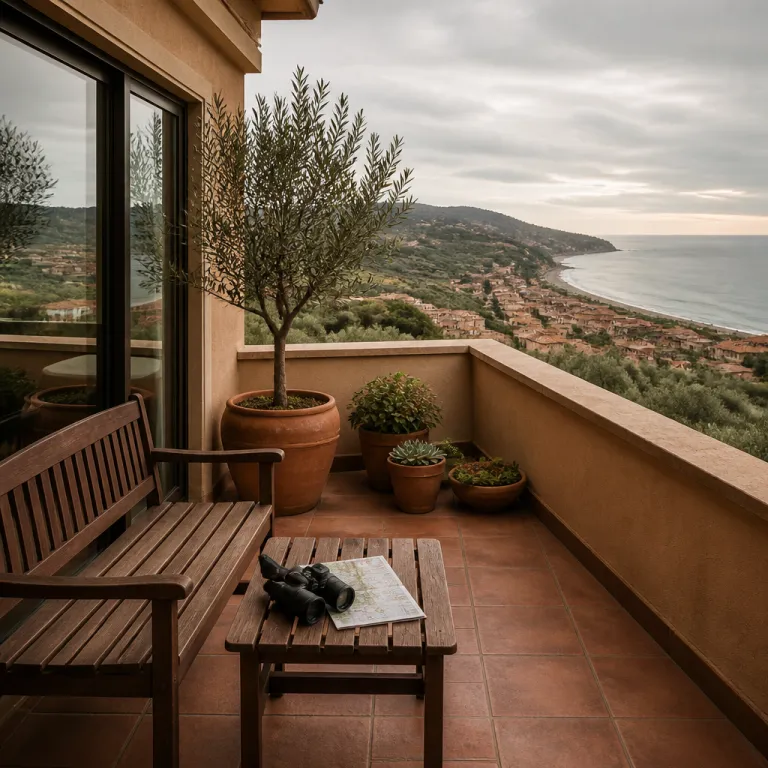
The golden hour test and why some hotel views earn their premium
The decision to pay extra for a hotel room with a view is rarely just about square metres and amenities; it is about how the sun, the city and the window align at a particular hour. When that alignment is right, the view stops being simple décor and becomes the quiet, intimate centre of your stay, especially during golden hour when the light turns warm and forgiving.
Across luxury properties worldwide, management knows that many guests will pay a higher rate for a room that promises a dramatic city skyline, a harbour or a mountain ridge at golden hour. Industry commentary and internal brand surveys often suggest that a noticeable share of guests still leave disappointed with the view they received, which means the premium is not always worth it. A 2023 Skift lodging report, for example, noted that more than a third of surveyed travellers had felt misled by room view photos at least once. The gap between the marketing image and the lived experience usually comes down to light, orientation and the specific hours when you are actually in the room.
When you look at a booking photo and wonder whether paying extra for a golden hour view will genuinely feel worthwhile, start by asking when that image was taken. The most flattering shots are almost always captured during golden hour, when the sun is low and the light is warm and forgiving. Your task as a traveller is to work out whether your own arrival, your dinner reservations and your preferred rhythm of the day will ever intersect with that same hour in that same direction.
Orientation, sun path and the golden hour difference
The same room can feel transcendent at 7.30 in the morning and strangely flat by midday, which is why orientation is the first filter in any serious golden hour test. East facing rooms catch the sun as it rises, turning even a modest city view into a private light show for one precious hour. West facing rooms, by contrast, hold their drama for the evening, when the sun drops behind the skyline and the glass towers of a city like New York shift from steel to molten gold.
Before you decide whether the extra charge for a view makes sense, open a satellite map and look at the building’s compass bearing. Cross reference that with sunrise and sunset times for your travel dates, then read guest reviews for clues about light, such as “the morning sun poured in” or “the room was already in shade by mid afternoon”. When platforms such as RoomView or similar tools are available, use them to preview the exact angle of the sun at different hours, because a few degrees can change whether you see direct light or only reflected glow.
Coastal properties make this even more critical, especially at Mediterranean island retreats where the sea view is the entire point. An east facing room in Santorini rewards early risers with a soft, pearly golden hour, while a west facing terrace in Ibiza saves its spectacle for late sunsets at the end of the week. When you read a review of a Mediterranean island retreat where the sea view is the entire point, pay attention to whether guests mention the specific hour when the water turned copper or the cliffs caught fire. Those time stamped details tell you far more about whether the premium is justified than any generic reference to “great light”.
City views after dark, window design and the role of night
In dense urban settings, the question of whether a room’s view surcharge is justified extends beyond sunrise and sunset into the hours after dark. A skyline that glows at night can compensate for a lacklustre daytime vista, especially in cities where office towers and bridges light up in carefully choreographed patterns. Properties that specialise in city views after dark, where the skyline becomes the room, understand that the rhythm of light across a full day matters more than a single perfect photograph.
Window design is the quiet hero here, because floor to ceiling glass can double the perceived drama of both golden hour and night views. The best luxury hotels use recessed frames, subtle tinting and architectural shading to soften glare during the brightest part of the day, while keeping reflections under control once the city lights come on. Poorly designed windows, by contrast, can turn a premium view into a mirror after dark, leaving you staring at your own reflection instead of the open city beyond.
When you evaluate whether a city facing room’s higher rate is truly a worthwhile view premium, look for photos taken at different hours, not just that single golden hour hero shot. A room that feels intimate and cocooned at night, with a warm glow from the city and minimal interior reflection, will usually deliver more value than a space that only looks good for one brief hour. If you travel often to New York or similar vertical cities, you will quickly learn that the interplay between street level light, mid level reflections and high floor vistas can change dramatically between busy weekend evenings and quieter weeknights.
The upgrade paradox: when cheaper rooms win the golden hour
Luxury travellers often assume that a higher category automatically means a better view, yet the upgrade paradox proves otherwise. Some “superior view” suites face north or into an internal courtyard, which can leave you with even, shadowless light all day but no real golden hour moment. Meanwhile, a less expensive corner room with an eastern exposure might catch the first sun of the day and frame the city in a way that feels far more cinematic.
To decide whether paying more for a view driven upgrade is sensible, ask the hotel specific questions about orientation, floor level and any nearby construction that could block the sun. Hotel management teams are increasingly used to guests who care about light, and many will happily explain which rooms receive direct sun at which hour, especially if you reference your preferred rhythm of the day. When you speak with them, remember that their goal is long term guest satisfaction, not just a one night upsell, because repeat business depends on views that live up to the promise.
There is also a seasonal layer to this paradox, since a suite that feels magical in winter, when the sun stays low and the golden hour stretches longer, can feel exposed and harsh in midsummer. In alpine resorts, for example, south facing rooms may be glorious in January but uncomfortably bright in July, even with blinds partially open. Asking the concierge which side of the building performs best in your specific month is one of the simplest ways to make the view premium feel justified for your stay.
How food, cocktails and the right hour turn a view into an experience
Some of the most persuasive answers to whether a view supplement is worth paying come from the way hotels choreograph food and drink around their vistas. A terrace where the menu reads like the landscape, with local bites and wines timed to arrive just as the sun softens, can make a standard room feel like a private club. When the property’s restaurant and bar teams understand the rhythm of the day, they design service so that your senses peak exactly as the light does.
Look for rooftop bars and lounges that open in time for late afternoon, not only for night service, because that overlap between late day and early evening is where golden hour lives. Many city hotels now promote specific golden hour menus with small plates, oysters and signature cocktails that echo the colours outside the glass. On busy Friday and Saturday evenings, you may need to reserve a table or bar stool well in advance if you want to align your own schedule with that single, transformative hour.
Properties that take this seriously often publish detailed menus and serving hours online, which lets you plan whether the value of a view extends beyond your room into the public spaces. A rooftop in New York that serves light, bright bites and well balanced cocktails from 17.00 to 20.00 offers a very different experience from a bar that only comes alive after dark. When the food, the drinks and the timing all support the view, you are no longer paying just for a window; you are paying for a carefully staged sequence that turns the changing light into the main course.
Reading reviews, using tools and asking the right questions
Digital tools have quietly changed how you can judge whether paying a premium for golden hour light and a hotel view makes sense before you ever hand over a credit card. Platforms such as RoomView, Google Street View and guest photo galleries allow you to conduct a visual inspection of specific room stacks and angles. When you combine those images with sunrise and sunset data, you can often predict the quality of light in a given room with surprising accuracy.
Guest reviews are even more revealing when you read them with a light sensitive eye, because travellers who care about views tend to mention the exact hour when the room felt most alive. Phrases such as “we sat with cocktails as the sun went down” or “the room was dark by 15.00” are clues about orientation, shading and seasonal variation. One verified answer from a hotel guest survey puts it plainly: “Use platforms like RoomView to preview and select rooms.”
To see how this works in practice, imagine you are booking a mid range hotel near Times Square in New York. RoomView or a similar tool might show that rooms on the southwest corner stack receive direct sunset light in October between roughly 17.30 and 18.30, while north facing rooms stay in shade. Cross checking that with your planned theatre tickets or dinner reservations tells you whether paying extra for that corner room will actually give you time in the best light.
A practical golden hour checklist for view obsessed couples
For couples planning a romantic stay, the question of whether a hotel view premium for golden hour light is worth it is rarely abstract, because it shapes the moments you will remember. You might picture yourselves sharing signature cocktails at the window, watching the city slip from late afternoon into night, or waking to a soft wash of sun across the bed. Turning that image into reality requires a simple but disciplined checklist.
Start with orientation: east for sunrise, west for sunset, south for longer hours of light in winter and potentially harsher exposure in summer. Then consider floor level, because higher floors usually mean broader views but can also bring more wind on balconies and more glare at certain times of day. Window size and design come next, followed by any potential obstructions such as cranes, neighbouring towers or even large signage that might block the sun at a critical hour.
- Confirm the room’s compass direction using a map or digital tool.
- Check sunrise and sunset times for your exact travel dates.
- Scan recent guest photos for evidence of direct light at your preferred hour.
- Ask the hotel which room stacks get morning or evening sun in your month.
- Match those answers against your likely schedule in the room.
Finally, map your own rhythm of the day against the room’s best moments, asking whether you will actually be there during golden hour or out at dinner, at work events or exploring the city. If your schedule keeps you away from the room during the most beautiful light, the calculation may tilt towards a lower category room and a higher investment in a rooftop bar or restaurant experience. When all five elements — orientation, floor, window, surroundings and schedule — align, paying extra for the view stops being a gamble and becomes a considered choice.
Key figures that shape the value of a view
- Hotel guest feedback in brand level surveys often indicates that a meaningful minority of travellers report dissatisfaction with their room view, which highlights how often the promised panorama fails to match reality.
- Travel industry analyses frequently note that guests are willing to pay a noticeable nightly premium for rooms marketed with superior views, a surcharge that only feels justified when light and orientation cooperate. A 2022 Expedia Group study, for instance, found that travellers were prepared to pay up to 20% more for rooms described as having exceptional views.
- Properties that provide detailed view descriptions and virtual room tours have seen higher guest satisfaction scores, as travellers can align expectations with the actual outlook before booking.
- The growth of platforms such as RoomView reflects a broader shift towards visual verification, where guests rely less on generic marketing images and more on precise, room specific perspectives.
FAQ
How can I ensure my hotel room has a genuinely good view?
Start by using tools such as RoomView, satellite maps and guest photo galleries to preview the exact outlook from your preferred room category. Then contact the hotel to confirm orientation, floor level and any recent construction that might affect the view. Combining visual verification with direct questions gives you the best chance of securing a view that matches the premium.
Is paying extra for a room with a view really worth it?
Whether the premium for a view and golden hour light works for you depends on how much time you will spend in the room and how important light is to your stay. If you plan to enjoy slow mornings, private sunsets or city lights at night, a well oriented view room can become the highlight of the trip. If your schedule keeps you out from dawn to late evening, you may be better served by investing in dining or spa experiences instead.
Do all hotels provide accurate images of their room views?
Not every property publishes current, room specific photos, and some rely on wide angle images taken at the most flattering hour. That is why it is advisable to request recent pictures from the hotel, check guest uploaded images and use independent platforms where possible. This layered approach reduces the risk of paying a premium for a view that feels ordinary on arrival.
What is the best way to use golden hour when planning a romantic stay?
Decide whether you value sunrise or sunset more, then choose an east or west facing room accordingly. Align your dinner reservations and activities so that you are in the room, or on the terrace, during that specific hour. Small touches such as arranging light bites and cocktails by the window can turn that short window of warm light into the emotional centre of your trip.
How do seasonal changes affect the value of a view room?
Seasonal shifts alter the angle and duration of the sun, which can transform how a view feels at different times of year. A room that enjoys long, low golden hour light in winter might receive harsher, more vertical sun in summer, changing both comfort and atmosphere. Asking the concierge which side of the building performs best in your travel month helps ensure the premium you pay aligns with the season’s light.