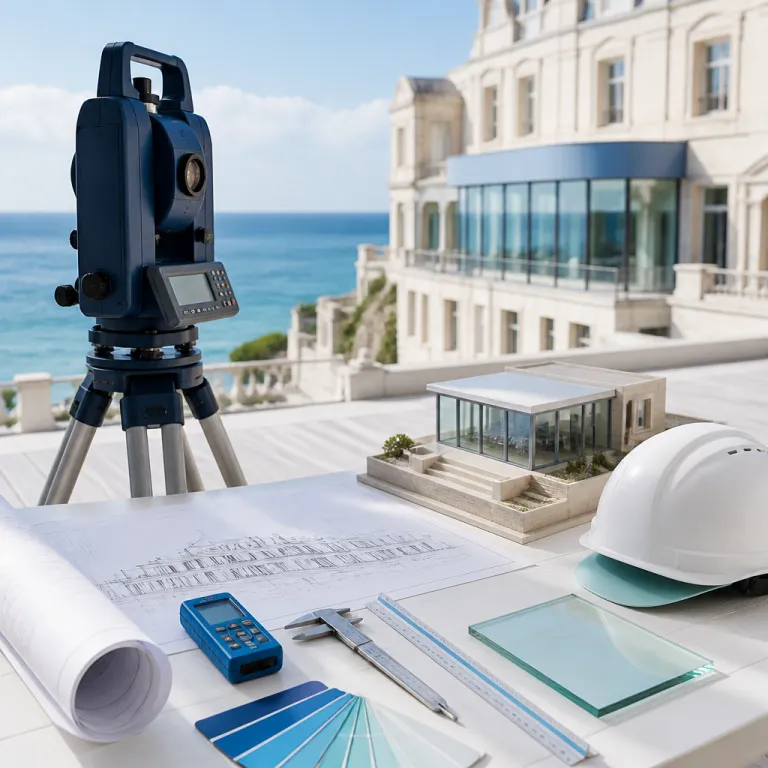
Why the sharpest views often belong to the oldest hotel buildings
The story of any heritage hotel renovation luxury view usually starts with geography. Long before planning regulations, the grandest hotels claimed clifftop ledges, lakefront lawns, and city corners where the light felt theatrical and the building could dominate the skyline. Those original sites now anchor modern luxury, because no new construction can legally edge that close to the water or rise that high above the historic centre.
For families choosing hotels with children in tow, this historical significance quietly shapes the whole experience. A century old hotel in a Mediterranean city might sit directly on the promenade, its rooms stacked like opera boxes above the sea, while newer hotels are pushed a block inland by zoning rules and coastal protection laws. That is why so many of the most coveted rooms with a heritage hotel renovation luxury view are in properties whose rich history predates today’s environmental and height restrictions.
Look at Lake Como EDITION, where a 19th century villa now frames Bellagio through carefully edited windows that respect the original façade. The building’s architectural heritage secured a front row position on the lake, and the renovation simply sharpened the sightlines with contemporary design details and discreet glazing. For hotel guests, the result is a layered experience of history and modernity, where children watch boats cross the water from deep sill windows that once framed carriages and gardens.
The architect’s dilemma: glass walls, stone character, and family comfort
Every serious heritage hotel renovation luxury view project begins with a tension between transparency and texture. Architects must decide how much glass a historic building can absorb before its hotel heritage character dissolves into generic modern luxury, especially when families now expect floor to ceiling windows and climate controlled comfort. The best hotels treat each window as a starting point rather than a blank wall to be replaced wholesale.
At COMO Le Beauvallon on the Gulf of Saint Tropez, Belle Époque bones meet contemporary design in a way that protects the façade while quietly re engineering the rooms behind it. Instead of ripping out exposed beams or art deco plasterwork to chase a pure glass box, designers carved deeper window seats, widened French doors, and used reflective surfaces to pull the bay’s light further into the suites. For parents, that means children can enjoy the view safely from generous interiors, while adults still feel the romance of a luxury hotel that has not sacrificed its hotel glory for a single Instagram angle.
This balance is becoming a defining trend in high end hospitality, as seen in projects like The Sinclair in Fort Worth or the Galleria Park Hotel in San Francisco, where technology and insulation are hidden behind original masonry. Renovators know that hotel guests will pay for a heritage hotel renovation luxury view, but they will not forgive a drafty family room or a dark corridor that ignores contemporary expectations. The smartest design teams now reject the era of beige minimalism and instead lean into character, echoing the broader shift away from neutral sameness explored in this analysis of why luxury hotels are finally rejecting neutral design.
From lobby to rooftop bar: how public spaces frame the panorama
In a true heritage hotel renovation luxury view, the best sightlines are rarely confined to private rooms. Families move through lobbies, staircases, and gardens all day, so public spaces become the real stage where a building’s historical significance meets contemporary design. When these circulation routes are treated as view galleries, every guest, not just those in premium suites, shares the spectacle.
Consider how The Vinoy in St Petersburg reworked its public spaces to reconnect the lobby and bar restaurant with the waterfront, opening arches and re orienting seating so children can watch boats while parents linger over breakfast. On urban sites like The Standard Lisbon, which anchors an emerging regeneration district, rooftop bar terraces and elevated pools turn former service roofs into social observatories for hotel guests and locals. This is where connections to the local city fabric become tangible, as families read the skyline together and understand why this building mattered in the first place.
Designers are also thinking more deeply about how views affect the brain, not just the camera roll, especially for multi generational trips that need calm as much as spectacle. Projects such as Park Hyatt Tokyo’s reimagining in Shinjuku show how hospitality can use framing, light levels, and seating geometry to support cognitive wellness rather than just social media moments, a philosophy explored in depth in this piece on designing hotels for the brain, not the Instagram grid. For families, that means a child can gaze across a city from a quiet lounge while a grandparent reads nearby, both held by a space where heritage, modernity, and view are carefully tuned.
Inside the rooms: where heritage details meet modern luxury expectations
The private realm of rooms is where a heritage hotel renovation luxury view either feels effortless or falls apart. Parents want blackout blinds, silent air conditioning, and enough space for a cot, yet they also book these hotels for original details like exposed beams, carved cornices, or art deco balconies. The design challenge is to integrate modern systems without erasing the architectural heritage that makes the stay feel different from any new build hotel.
Hotel Saranac in New York’s Adirondacks offers a useful template, with rooms that keep period millwork and historic proportions while layering in contemporary textiles and discreet technology. Families can open heavy timber windows to frame the town’s main street, then close acoustic glazing at night, enjoying both the city’s energy and a quiet sleep. Similar strategies appear at The Hoxton Edinburgh, where some rooms tuck beds under sloping ceilings and others use deep embrasures as reading nooks, turning structural quirks into child friendly dens that still celebrate the building’s history.
Across these hotels, the most successful heritage hotel renovation luxury view schemes treat each guest room as a micro museum of the site’s story. Designers might reference the year the hotel first opened with archival photographs, or subtly trace the building’s rich history through custom art that points out former ballrooms or gardens now visible from the window. For hotel guests, this narrative approach transforms a pretty outlook into a layered experience, where children learn why the city grew around this address and adults feel they are participating in a living chapter of hospitality rather than a themed set.
Family appeal: gardens, grounds, and the luxury of space
One quiet advantage of a heritage hotel renovation luxury view is sheer physical scale. Older hotels often sit within generous grounds or on wide waterfront plots, giving families lawns, terraces, and promenades that modern city hotels simply cannot replicate. Those outdoor public spaces become natural extensions of the rooms, where children can roam while adults still feel wrapped in modern luxury.
On Lake Como, the EDITION’s floating pool and lakeside decks reinterpret a 19th century garden as a contemporary playground, keeping the building’s axial views while adding safe access to the water. Zannier Bendor, on Paul Ricard’s private island off the French coast, goes further by arranging 93 villas like a Provençal village, so families experience both privacy and a sense of community rooted in local cultural patterns. In both cases, the heritage hotel renovation luxury view is not just about what you see from the window but how you move through terraces, paths, and courtyards that were always oriented toward the landscape.
For parents, this spatial generosity translates into practical hospitality benefits that justify premium rates. Children can burn energy in gardens rather than corridors, grandparents can find quiet corners under old trees, and everyone reconvenes at a rooftop bar or bar restaurant that frames sunset over the bay or city. When a hotel’s architectural heritage includes promenades, colonnades, and grand staircases, the renovation can turn these into family friendly circuits that keep the original glamour alive while meeting contemporary safety and accessibility standards.
Investment, regulation, and the future of heritage view hotels
Behind every heritage hotel renovation luxury view lies a serious financial and regulatory story. Industry data shows that renovation, rather than new build, is increasingly the strategy of choice in prime locations where planning rules now restrict waterfront or clifftop development. Investors understand that a hotel housed in a historic building, preserving its original architecture, can command higher rates because guests are paying for both the view and the story.
Recent industry reports indicate that around 50 historic hotels worldwide have undergone major renovations between 2018 and 2025, with an average renovation cost per hotel of about 25 million USD. Those same reports show an average increase in occupancy of roughly 20 percent post renovation, a clear signal that travelers value the combination of heritage, contemporary design, and modern luxury amenities. For families, that premium translates into better maintained public spaces, more thoughtful room layouts, and hospitality teams trained to interpret the site’s history as part of the stay.
Regulation is also reshaping how these projects talk about sustainability and cultural impact, especially in Europe where new anti greenwashing rules are tightening what hotels can claim about their environmental performance. Travelers who care about both heritage and responsible tourism should pay attention to how properties report their renovation choices, a topic unpacked in this guide to EU anti greenwashing rules and what changes for guests. When a hotel is transparent about materials, energy systems, and conservation methods, it signals respect not only for the building’s past but also for the landscape that makes its views so valuable.
How to read a heritage renovation when booking your next family stay
For families browsing a luxury and premium booking website, the phrase heritage hotel renovation luxury view should trigger a few specific questions. Start by looking at how the hotel describes its building, checking whether the architectural heritage is more than a marketing line and whether the year the hotel first opened is clearly stated. Genuine projects will reference restoration of original features, not just a new colour palette or furniture refresh.
Next, study the photos of rooms and public spaces to see how contemporary design interacts with older bones. Are exposed beams, stone arches, or art deco details allowed to breathe, or are they overwhelmed by generic décor and oversized glazing that could belong to any city hotel ? Families should also check whether the best views are reserved only for top tier suites, or whether thoughtful planning gives hotel guests in standard categories access to terraces, lounges, or a rooftop bar with panoramic sightlines.
Finally, read between the lines of guest reviews and official descriptions to understand how the renovation shapes daily experience. Comments about intuitive circulation, child friendly gardens, and meaningful connections to the local neighbourhood often signal that designers treated the view as a starting point for the whole hospitality concept, not just a backdrop. When a property respects its rich history while embracing modernity with restraint, you are more likely to feel that the landscape has been reframed for your family rather than exploited as a simple postcard.
Key figures shaping heritage hotel renovations with views
- Industry reports indicate that approximately 50 historic hotels worldwide underwent significant renovation between 2018 and 2025, underscoring a clear shift toward upgrading existing heritage properties rather than building new ones in sensitive locations.
- Hotel industry data shows that renovated heritage hotels record an average increase in occupancy of around 20 percent after reopening, suggesting that travelers actively reward projects that blend history, contemporary design, and strong view driven experiences.
- Construction sector analyses place the average renovation cost per historic hotel at roughly 25 million USD, reflecting the complexity of preserving original architecture while integrating modern luxury systems and safety standards.
- Across these projects, partners typically include architectural firms, interior designers, construction companies, and technology providers, highlighting how multi disciplinary teams are now standard for any serious heritage hotel renovation luxury view scheme.
FAQ about heritage hotels, renovations, and views
What is a heritage hotel and why does it matter for views ?
A heritage hotel is a hotel housed in a historic building, preserving its original architecture, often in a location chosen long before modern planning rules. Because these buildings were placed on waterfronts, hilltops, or key city corners, they frequently offer stronger natural viewpoints than newer hotels. Staying in such a property means your view is tied to the site’s history, not just its height.
Why renovate historic hotels instead of building new ones ?
Renovating historic hotels preserves cultural heritage while meeting modern guest expectations for comfort, technology, and safety. In many prime locations, strict regulations now limit new clifftop or waterfront construction, so upgrading an existing building is the only way to offer a heritage hotel renovation luxury view. Renovations also tend to boost local tourism and property values by breathing new life into landmarks.
What are common features in renovated heritage hotels ?
Common features include original architectural details such as stone façades, timber ceilings, or art deco ornament, paired with modern amenities like efficient climate control, high speed connectivity, and updated bathrooms. Many projects also integrate sustainable practices, from better insulation to smart lighting, so guests enjoy modern luxury without compromising the building’s character. Public spaces are often reoriented to frame key views, turning lobbies, terraces, and rooftop bars into shared vantage points.
How do heritage hotel renovations impact local communities ?
Heritage hotel renovations can boost tourism, create jobs, and preserve cultural landmarks that might otherwise decay or be demolished. When done well, they strengthen connections to the local neighbourhood by opening public spaces, hosting cultural events, and sourcing from nearby artisans and producers. This combination of economic impact and cultural stewardship makes them powerful tools for sustainable urban and regional development.
Are heritage hotels always more expensive for families ?
Prices at heritage hotels vary widely, and some do charge a premium because they offer a unique combination of history, location, and view. However, families can often find value by booking larger rooms that accommodate children, using shoulder season dates, or choosing properties in secondary cities where demand is less intense. The key is to weigh the added cost against the depth of experience, especially when a heritage hotel renovation luxury view turns the stay itself into a memorable part of the trip.
Sources and further reading
- World Travel & Tourism Council – reports on heritage tourism and hotel investment trends.
- UNESCO – guidance on cultural heritage preservation and adaptive reuse of historic buildings.
- International Council on Monuments and Sites (ICOMOS) – charters on conservation principles relevant to hotel renovations.