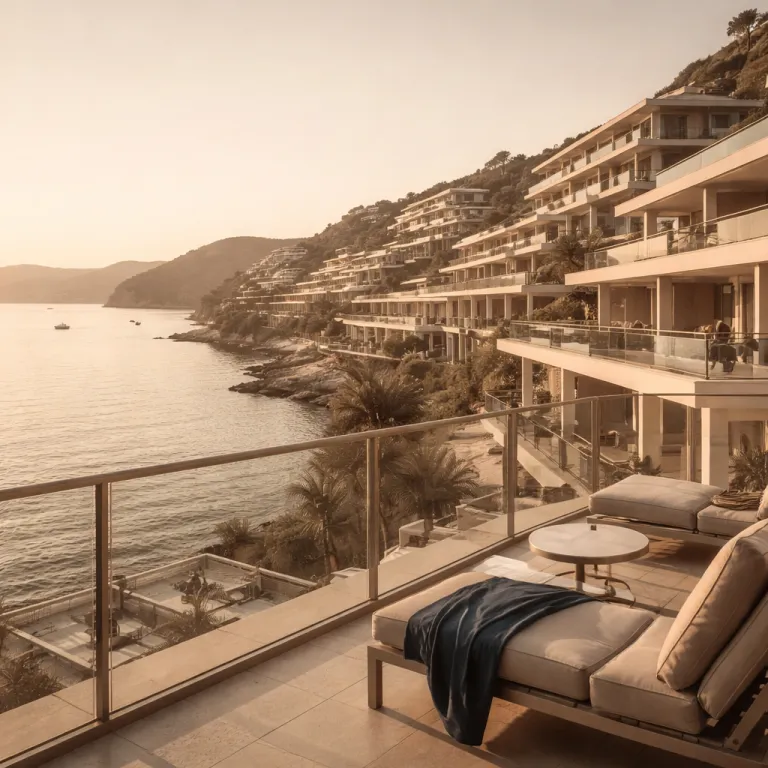
The hierarchy of view rooms and why they sell out first
When couples start planning how to book the best hotel view rooms for summer 2026, they are really deciding how they want each day to begin. Corner suites, high floor guest rooms and cliff edge categories routinely command significant premiums because they frame the landscape in a way standard rooms simply cannot. In many luxury hotels, only a minority of the total inventory actually offers the kind of outlook that justifies a special trip, so scarcity drives both pricing and booking urgency.
Think of a Mediterranean palace hotel where just a handful of corner rooms look straight across to a historic harbor, while most rooms only glimpse the sea between façades. The same hierarchy applies at a desert resort with a single ridge line infinity pool, where only a few guest rooms sit directly above the canyon and the rest face the car park or internal courtyards. In New York and other vertical cities, internal revenue teams track which floors and facings sell first, and a relatively small percentage of luxury hotel rooms end up classified as prime skyline view categories, which explains why the best hotels quietly protect those rooms and release them cautiously across each booking channel.
For couples planning peak season, the central dilemma — whether to lock in a standout view now or wait for a better deal — should be reframed as a choice between category and address. You can either reserve early in the exact room type you want, or you can hold out for a better located property and accept a more modest room. At the very top end, palace style properties with a strong design narrative, sculpted lobbies and a celebrated hotel restaurant often sell their signature view suites first, long before the standard guest rooms start to move. As one London based travel advisor notes anecdotally, “The rooms with the views are the first to go, even before the hotel is close to full,” a pattern that aligns with booking data shared in annual luxury travel trend reports.
Hierarchy also plays out in amenities, not just altitude or angle, and this is where couples often underestimate demand. A floating pool on Lake Como or a rooftop infinity pool above a national park facing skyline will always accelerate booking patterns for the surrounding rooms. When a hotel links its best views to a room spa, a private terrace or a dedicated bar for sunset food drink pairings, those combinations become the first to disappear from every booking platform, especially once early guest photos start circulating on social media and review sites. Recent surveys from major online travel agencies show that “view from the room” consistently ranks among the top three factors in guest satisfaction scores, which further explains why these premium categories sell out first.
Timing your booking window by region and season
Peak summer is unforgiving for procrastinators, especially when you care about views more than square metres, and that is why the booking window for the strongest view categories effectively closes earlier than the general availability calendar. For Mediterranean islands and coastal palace hotel icons, couples should plan to book three to six months ahead, with late May acting as a soft deadline for July and August stays. This aligns with current guidance from major travel agencies that high demand properties, particularly those with limited view categories, may even require up to twelve months of lead time for their most coveted suites.
On the Greek islands, the summer 2026 pipeline of openings will reshape the map of view led stays, and that creates both opportunity and risk for couples. New addresses such as Four Seasons Mykonos, Zannier Bendor on its private island, and Luura Cliff Paros with its Aegean facing rooms will debut with inaugural season pricing before demand data pushes rates higher, yet their best guest rooms will still sell out first. One Athens based agent recently reported that sea facing suites on Mykonos were already waitlisted for key August weekends more than six months out, underlining how quickly these categories move in practice and echoing the trend that Greek island occupancy regularly exceeds 80 percent in peak months according to national tourism statistics.
In Southeast Asia, the calendar is less about school holidays and more about monsoon patterns, which directly affect how views feel from your room. A rainforest valley property such as Anantara Ubud offers lush panoramas year round, but couples who want clear mornings over the gorge should align their booking with the drier months and secure high floor rooms at least two months ahead. Coastal luxury hotels in the region follow a similar rhythm, with sea facing rooms and pool suites selling out six to eight weeks before peak dates, while garden rooms linger longer on booking platforms. Industry benchmarking reports from hotel analytics firms regularly show that ocean view categories reach high occupancy several weeks earlier than standard rooms, even when overall demand is still building.
East Africa introduces another layer of timing, because the view is not just a static landscape but a moving migration. At safari lodges near a national park or at a mountain facing property such as JW Marriott Mount Kenya, the ideal booking window is tied to wildlife movements and clear sky seasons. Here, couples should treat view rooms like limited permits, reserving them as soon as they fix their travel dates, especially if they want a room that looks directly onto a waterhole, a snow capped peak or a private section of savannah. One Nairobi based safari planner describes it simply, in line with advice from specialist tour operators: “If you can see the animals from your bed, you need to book as early as you would a prime game drive.”
How and where to book: channels, flexibility and rate strategy
Once you know when you want to travel, the next step is to secure the strongest possible view without overpaying or losing flexibility. Direct booking with the hotel often unlocks better control over specific room numbers, while major platforms such as Expedia and Tripadvisor add useful comparison data and guest reviews. As one industry guide puts it clearly, “Book early to secure best views,” especially when you are targeting a limited number of corner suites or top floor categories.
For couples who prefer to use online agencies, it can be smart to book Expedia options that clearly label view categories, then follow up with the property to fine tune the request. When you book hotels through a platform, look for flexible cancellation policies or transferable bookings that allow date shifts without penalty, especially for long haul trips. Many luxury hotels now offer virtual tours of guest rooms and suites, which means you can inspect the angle from the balcony, the height of the floor and even how the lobby connects to the pool deck before committing, rather than relying solely on generic room descriptions.
There is no single correct channel, but there is a correct sequence for view obsessed travelers. Start by shortlisting three to five standout hotels on your chosen coast, desert resort region or national park gateway, then compare their view categories across the hotel website, a trusted agency and at least one meta search engine. Use tools such as Tripadvisor reviews to understand whether the promised sea views, city skylines or park vistas actually match what couples experienced from their room, paying close attention to photos uploaded by guests rather than only to marketing images.
For inspiration and a sense of what qualifies as a genuinely transformative panorama, consult curated resources such as the guide to top luxury hotels with exceptional views. Then, once you have chosen your property, lock in the specific view category rather than gambling on an upgrade at check in, because upgrades rarely materialise in peak season. Whether you ultimately book Expedia offers, reserve directly with the hotel or use a specialist agent, the priority is to secure the exact room type that aligns with how you want to feel when you open the curtains each morning.
The couple’s calculation: paying for the view versus upgrading the address
Every couple planning a romantic escape eventually faces the same decision, which is whether to pay a premium for a better view in a mid tier hotel or to choose a higher calibre property and accept a more modest outlook. Conversations about how to book the right room for summer 2026 often revolve around this trade off, especially on the Mediterranean coast, the west coast of North America and in Italian lake regions. The answer depends on how much time you realistically plan to spend in your room and how central the view is to your shared idea of luxury.
In Italy, for example, a Lake Como EDITION style property with a floating pool and direct Bellagio views may offer smaller guest rooms than an inland palace hotel, yet the water level infinity pool and terrace bar can make the overall experience feel more cinematic. Couples who value architecture and interior design might instead choose a historic palace with terra cotta roofs, frescoed ceilings and a grand lobby, even if only a few rooms face the lake or park. In both cases, the smartest move is to book early enough that you can still choose between several room categories, rather than accepting whatever is left once the most atmospheric options have sold out.
Resort amenities should also influence how you allocate your budget between room and property. A desert resort with a sculpted infinity pool, a serious tennis court programme and a destination hotel restaurant may justify taking a garden view room, because you will spend much of the day in shared spaces with spectacular views. By contrast, an urban palace hotel with limited outdoor areas but exceptional skyline rooms rewards couples who invest in a higher floor category, since the private panorama becomes the main stage for slow mornings and late night food drink rituals, especially on shorter city breaks.
Finally, consider the role of sustainability and regulation in shaping your choice of where to stay and how to book. New European rules on environmental claims are already changing how luxury hotels describe their operations, and guests who care about both views and values should read up on how anti greenwashing rules are affecting hotels before committing. When you weigh all these factors — from room spa access and private terraces to lobby atmosphere and national park proximity — the right decision is the one that aligns your budget with the specific moments you want to remember, not just the photos you plan to take.
FAQ
Why should I book hotel rooms with views early ?
High demand causes early sell-outs during peak seasons. In practice, that means the most desirable corner rooms, suites with balconies and pool facing categories often disappear three to six months before July and August, especially in Mediterranean and safari destinations. Couples who wait for last minute deals usually end up with compromised views or entirely different properties, as hotels prioritise repeat guests and loyalty members for the final remaining panorama rooms.
How far in advance should I book for peak season ?
Recommended 3–6 months ahead; up to 12 months for high-demand properties. This longer window applies particularly to iconic luxury hotels, palace style properties and lodges near national parks, where the number of true view rooms is limited. If you are targeting a specific suite or a new opening in a high profile destination, treat a year out as normal rather than excessive, especially if your dates coincide with school holidays or major local festivals.
Do all hotels offer rooms with scenic views ?
No, availability varies; contact hotels directly to confirm. Many urban properties, even at the luxury level, have a mix of internal courtyard rooms, partial views and only a small percentage of full panorama categories. Before you book, ask the reservations team to specify which room types genuinely face the sea, skyline or park, and request written confirmation in your booking so that expectations are aligned on both sides.
Is it better to book directly with the hotel or through a platform ?
Both approaches can work if you are strategic about them. Direct booking often gives you more leverage to request a specific room number or floor, while platforms such as Expedia or Tripadvisor make it easier to compare rates and read guest feedback about views. Whichever route you choose, focus on flexible cancellation policies and clear room descriptions rather than chasing the lowest headline price, and always double check that the word “view” in the room name reflects a genuine outlook rather than a partial glimpse.
What if the view matters more than room size or amenities ?
When the view is the priority, allocate more of your budget to the exact room category and less to secondary features. That might mean choosing a smaller sea facing room over a larger city view suite, or accepting a simpler lobby and bar in exchange for a private terrace above an infinity pool. The key is to book early enough that these trade offs are still available, rather than being forced into whatever is left close to departure, when only the least popular layouts and outlooks may remain.