From recreational wellness to cognitive performance stays
Business travelers are quietly redefining what a regenerative wellness hotel with circadian design really means in 2026. They are no longer satisfied with a pleasant spa and a generic massage; they want a hotel that measurably upgrades health, sharpens focus and protects long term longevity. For this audience, wellness is not a weekend indulgence but a performance tool woven into modern life.
Across luxury tourism, executives now ask how a hotel will support sleep, metabolic flexibility and nervous system balance before they ask about champagne brands. They read every report on wellness tourism growth, then choose hotels where wellness architecture and circadian lighting are treated as core infrastructure rather than optional extras. In this context, the new wave of regenerative wellness and circadian hotel design is less about scented candles and more about architecture that behaves like a finely tuned system for physical mental recovery.
Properties working with specialists such as Regenera Luxury and LONVIA frame each guest experience as a mini wellness retreat calibrated to real biology. These hotels integrate neurotech devices, smart sleep recovery tools and spa programs that speak directly to gut brain health, women health needs and cognitive resilience. Wellness travelers spend more than average guests, with one LONVIA Hospitality Solutions briefing indicating a 53 % higher spend (LONVIA Wellness Revenue Benchmark, 2024), which is why wellness leadership teams now treat regenerative design as a strategic real estate decision rather than a décor upgrade.
Views as medicine: how circadian design reframes the window
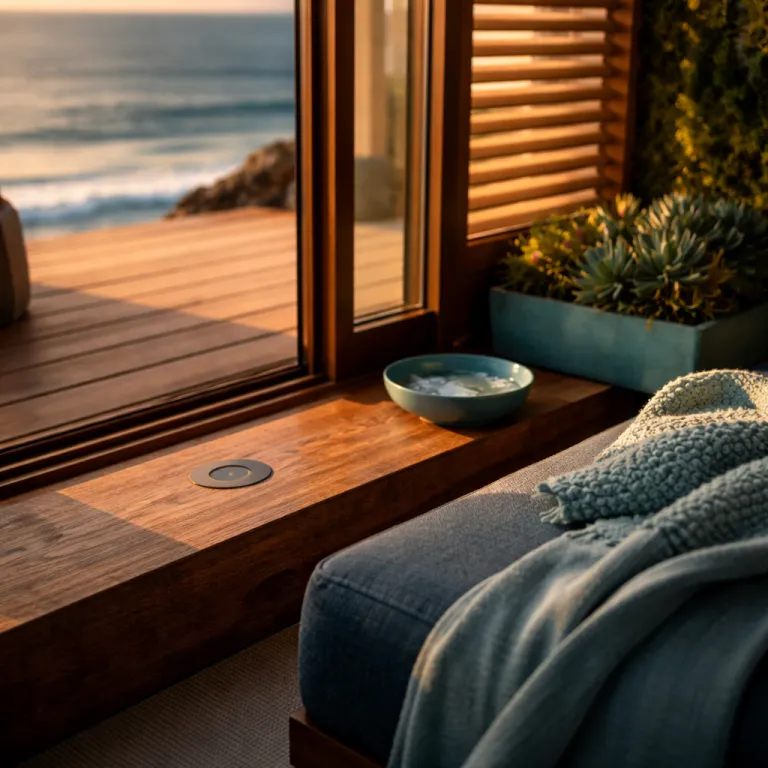
In the regenerative wellness hotel circadian design 2026 movement, the best view is no longer just a pretty panorama. It is a calibrated health intervention where horizon lines, daylight angles and reflections on water are used to reset the nervous system. A room’s orientation becomes a clinical decision about sleep hygiene, sleep recovery and metabolic stability, not a simple category on a booking engine.
Architects such as Vera Iconica Architecture now treat every façade as primal architecture, asking how the built environment can guide the guest from overstimulated modern life into a calmer physical mental state. They work with wellness architecture consultants to position beds toward specific sunrise angles, using circadian lighting to extend the natural spectrum when clouds or city grids interfere. This is where regenerative hospitality and circadian thinking intersect with serious architecture design, because the window becomes the first line of wellness tourism rather than a backdrop for social media.
For travelers choosing between a traditional spa resort and a regenerative hotel, the real sign of value is how the view changes their body by the second morning. A skyline that floods the room with early blue enriched light can help the gut brain axis, metabolic flexibility and long term sleep quality more than any late night treatment. If you want to see how view led design affects pricing and guest experiences, study how water facing suites are structured in high end destinations, as unpacked in this analysis of why luxury hotels are finally rejecting neutral design.
Inside the room: circadian systems, sleep labs and nervous system care
Step into a serious regenerative wellness hotel room built around circadian design principles in 2026 and it feels more like a discreet sleep lab than a conventional suite. The lighting system shifts through the day, moving from crisp, cool tones that support alertness to warm, low intensity hues that cue melatonin and deep sleep. Blackout layers, acoustic insulation and air quality sensors work together as a single architecture design ecosystem for recovery.
Here, modern wellness is defined by how precisely the hotel manages the guest experience of time, light and sound rather than how many spa treatments appear on the menu. Smart beds track sleep cycles, then adjust temperature and firmness to support sleep hygiene and sleep recovery without forcing the guest to learn new technology. Some wellness retreat style floors even integrate red light panels, breathwork programming and guided nervous system downshifting sessions tailored to women health, jet lag and high stress executives.
These hotels treat the room as a wellness architecture prototype where every sign, switch and surface is mapped to a specific health outcome. The broader regenerative wellness hotel circadian design philosophy means that even art, materials and views are chosen for their impact on the gut brain axis, metabolic flexibility and physical mental balance. In one pilot project shared in the 2025 Global Wellness Institute “Hospitality & Sleep” briefing, a city business hotel that upgraded to tunable circadian lighting and smart beds reported a 19 % improvement in average guest sleep scores and a 12 % rise in repeat corporate bookings within a year. For a deeper dive into how cognitive performance is becoming the new luxury metric, see this perspective on designing hotels for the brain rather than the Instagram grid.
Architecture as biology: from primal forms to regenerative real estate
The most advanced regenerative wellness hotel circadian design 2026 projects start long before the first guest arrives, at the level of land, light and form. Developers now treat real estate decisions as health decisions, asking how the site’s orientation, wind patterns and natural features can support wellness tourism and long term ecological recovery. This is where primal architecture principles meet modern wellness expectations in a very concrete way.
Firms like Vera Iconica Architecture collaborate with wellness leadership teams and local communities to embed biophilic cues into the built environment from the ground up. They use natural materials, layered greenery and water elements to create experiences where guests instinctively slow their breathing and feel their nervous system soften. In such hotels, regenerative wellness and circadian design strategies include shaded outdoor work terraces, spa pavilions aligned with prevailing breezes and resort pathways that encourage gentle movement rather than elevator dependence.
For business leisure travelers, this architecture design approach translates into micro choices that compound over the length of a stay. You walk a little more between meetings, you take calls facing a horizon instead of a wall, and your life rhythms subtly realign with daylight rather than device notifications. Over several nights, that combination of movement, light and nature can shift metabolic flexibility, support gut brain balance and create a guest experience that feels like a quiet wellness retreat embedded inside a fully functional city hotel.
What it really costs: pricing, ROI and the new wellness report card
From a booking perspective, a regenerative wellness hotel circadian design 2026 stay usually commands a premium over a conventional luxury hotel. The nightly rate reflects not only spa facilities but also the investment in circadian lighting, acoustic engineering, air purification and wellness architecture that quietly supports health. For many executives, the question is whether that premium translates into measurable value once they return to work.
Wellness leadership teams now frame these stays as part of a broader wellness tourism strategy focused on cognitive performance and longevity rather than short term pampering. They track how guests report on sleep quality, energy levels and focus in the week after checkout, treating these metrics as a new kind of wellness report card. When a hotel can show that its regenerative wellness and circadian design program improves physical mental resilience and reduces recovery time from long haul travel, the ROI argument becomes compelling.
Companies experimenting with wellness retreat style offsites in such hotels often compare productivity data, absenteeism and creative output before and after trips. A 2023 internal case study from a European consulting firm, shared at the HospitalityNet “Future of Wellness” forum, found that teams staying in a circadian focused business resort recorded a 21 % reduction in self reported jet lag and a 9 % increase in post trip project throughput. For individual travelers paying their own way, the calculus is more personal, but many now see a well designed resort stay as an investment in long term life quality rather than a one off indulgence, especially when compared with the transparent price tiers outlined in guides to what each price point actually gets you in high end water villas.
How to choose: a practical checklist for regenerative wellness stays
When you search for a regenerative wellness hotel circadian design 2026 style property, start by looking beyond the spa photos. Ask how the hotel integrates circadian lighting, biophilic architecture and cognitive wellness programs into everyday guest experiences. A serious property will speak clearly about sleep, recovery and nervous system care rather than only listing treatments.
Three questions from current industry guidance are particularly useful when evaluating options for wellness tourism. “What is circadian design in hotels?”, “How do regenerative hotels promote cognitive wellness?” and “Why is biophilic design important in hospitality?” are not just theoretical prompts but practical filters. The most credible hotels answer them with specifics about architecture design, built environment choices and measurable health outcomes rather than vague marketing language.
As you compare hotels and resorts, pay attention to how they address women health, gut brain balance and long term metabolic flexibility in their wellness retreat offerings. Look for signs of genuine wellness leadership, such as partnerships with experts like LONVIA or Regenera Luxury and transparent data on guest sleep recovery and life quality improvements. In a true regenerative wellness hotel setting shaped by circadian design, every system from room controls to spa scheduling is quietly orchestrated to support physical mental balance, so that by the time you check out, recovery feels less like an event and more like your new baseline.
Key figures shaping regenerative wellness and circadian hotel design
- The global nature based tourism market is projected to grow from USD 15.5 billion in the mid 2020s to USD 28.9 billion by the early 2030s, highlighting strong demand for resorts and hotels that integrate natural views and biophilic wellness architecture into their built environment (Travel And Tour World, “Nature-Based Tourism Market Outlook 2030”, 2023).
- Wellness travelers spend approximately 53 % more than average guests, according to LONVIA Hospitality Solutions, which explains why many luxury real estate developers now prioritise regenerative wellness hotel circadian design 2026 features when planning new properties (LONVIA Hospitality Solutions, “Wellness Traveler Revenue Premium”, 2024).
- Industry briefings from HospitalityNet indicate that hotels adopting circadian lighting systems, smart sleep technologies and cognitive wellness programs report higher guest satisfaction scores, especially among business travelers seeking better sleep hygiene and faster recovery from long haul flights (HospitalityNet, “Circadian Lighting in Hotels: From Trend to Standard”, 2024).
- Regenerative hospitality frameworks referenced by Earth Changers emphasise that leading hotels aim not only to reduce environmental impact but also to improve local ecosystems and guest health baselines, aligning wellness tourism growth with long term longevity goals (Earth Changers, “Regenerative Tourism Principles”, 2022).
FAQ: regenerative wellness hotels, circadian design and cognitive health
What is circadian design in hotels ?
Circadian design in hotels is the practice of aligning light, views and daily rhythms in the built environment with the body’s natural sleep wake cycle. It uses tools such as circadian lighting, room orientation and blackout systems to support sleep hygiene, sleep recovery and nervous system balance. In a regenerative wellness hotel circadian design 2026 context, this approach extends to spa scheduling, meal timing and guest experience programming.
How do regenerative hotels promote cognitive wellness ?
Regenerative hotels promote cognitive wellness by combining biophilic architecture, advanced sleep systems and targeted wellness retreat style programs that support both physical mental health. They integrate features such as quiet zones, nature facing workspaces and gut brain friendly nutrition alongside technologies like neurofeedback or sound therapy. As architect Sarah McKinley of Vera Iconica notes in a 2025 design roundtable, “When we choreograph light, air and nature as carefully as we choreograph service, we see measurable gains in focus, creativity and emotional regulation.” The goal is to enhance focus, creativity and long term longevity rather than offering only short term relaxation.
Why is biophilic design important in hospitality ?
Biophilic design is important in hospitality because it reconnects guests with natural elements that help regulate the nervous system and metabolic flexibility. Access to daylight, greenery, water and horizon views can lower stress markers, improve sleep and support recovery from the demands of modern life. In regenerative wellness hotel circadian design 2026 projects, biophilic cues are woven into every architecture design decision, from lobby layouts to spa circulation routes.
Why are business travelers driving demand for cognitive wellness stays ?
Business travelers are driving demand because they feel the cost of poor sleep, jet lag and chronic stress more acutely than most leisure guests. They value hotels where wellness architecture, circadian lighting and carefully designed guest experiences translate into sharper thinking and faster recovery after long flights. For this group, a regenerative wellness hotel circadian design 2026 stay is a strategic investment in performance, not a luxury extra.
How can I tell if a hotel is genuinely regenerative rather than just greenwashed ?
A genuinely regenerative hotel will show clear commitments to improving local ecosystems, community wellbeing and guest health baselines, not just reducing waste. Look for transparent reporting, partnerships with recognised wellness leadership experts and specific details about how the built environment, spa, resort operations and guest experience support long term life quality. When a property treats regenerative wellness hotel circadian design 2026 principles as the backbone of its architecture and operations, you will see it in everything from room layouts to the way staff talk about recovery and longevity.