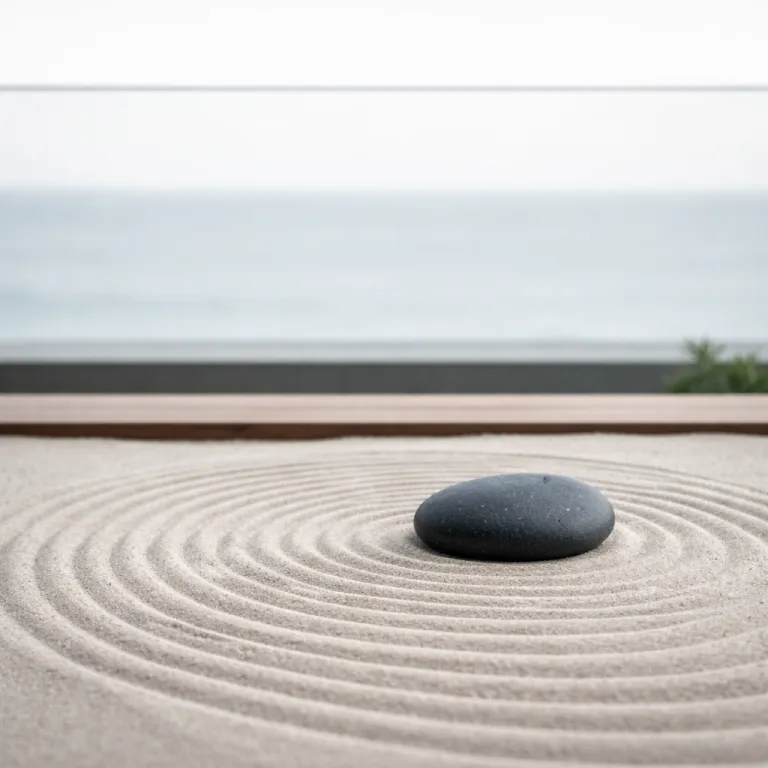
Cognitive wellness hotel design as the new luxury benchmark
Cognitive wellness hotel design is quietly rewriting what luxury means. Instead of chasing the most photogenic lobby, leading hospitality brands now ask how every metre of space can calm the nervous system and sharpen cognitive function. For business leisure travellers, this shift turns a hotel from a decorative backdrop into a high performance tool.
At its core, cognitive wellness hotel design is about creating wellness spaces and wellness experiences that support mental clarity, emotional balance and long term health. Design teams such as Sieger Design and other wellness focused studios now collaborate with neuroscientists and environmental psychologists to align lighting, acoustics, materials and technology with how the brain actually processes stimuli. The stated objectives are simple yet radical for hospitality; enhance guest mental well being, promote recovery and improve sleep quality in ways that guests feel immediately and remember when they next compare hotels.
In practice, this means natural light is treated as a primary asset, not a nice to have. Rooms are designed so that daylight reaches work zones, sleep zones and transition spaces, with views of nature framed to reduce visual clutter and support cognitive function. Circadian lighting systems then take over after sunset, shifting colour temperature and intensity to cue the nervous system for focus, social connection or deep sleep.
Wellness design also rethinks what counts as a premium view. A panorama of water or trees is no longer just a backdrop for social media; it becomes a functional health feature that lowers heart rate and supports mental recovery after meetings. Properties that understand future wellness trends now position their best rooms where guests book the quietest, greenest vistas, not only the highest floors. For a view obsessed traveller, the question becomes less “How wide is the skyline?” and more “How does this outlook make my brain feel after a twelve hour workday?”.
Technology plays a supporting role rather than stealing the scene. The muted tech trend in wellness hospitality hides sensors, air quality systems and acoustic treatments behind natural materials and calm design architecture. Guests experience seamless temperature control, purified air and silent mechanical systems, but what they consciously notice are tactile fabrics, warm lighting and the way the space features invite them to slow their breathing.
For hotels with views, the business case is already visible in global wellness tourism data. The Global Wellness Institute’s 2023 “Global Wellness Tourism Economy” report valued the wellness tourism market at around 651 billion USD in 2022, and travellers who prioritise wellness experiences consistently show higher spend and loyalty. Early case studies, such as luxury properties reporting double digit RevPAR uplift after renovating rooms with biophilic materials, adaptive lighting and restorative spaces, suggest that when cognitive wellness hotel design becomes the organising principle, every euro invested in natural materials, adaptive lighting and restorative spaces supports both guest experience and revenue per available room.
From Instagram walls to nervous system calm: how design is evolving
The last decade of hotel design rewarded the most photogenic corners. Statement walls, theatrical lighting and glossy materials were specified to generate instant experiences for the camera, not necessarily for the guest. Cognitive wellness hotel design reverses that hierarchy and asks what the nervous system needs before the lens.
Wellness design treats every corridor, lobby and room as part of a continuous guest experience. Instead of hard reflective surfaces that bounce noise, designers now layer natural materials, acoustic panels and textiles to create quiet spaces where guests can think, work or simply breathe. Biophilic principles bring nature indoors through living walls, timber, stone and water features, which research links to higher guest satisfaction and measurable improvements in perceived health.
Lighting is another frontier where wellness hospitality is moving away from the purely dramatic. Rather than a single statement pendant over the bed, circadian systems wash walls with soft indirect light in the morning, then warm the spectrum towards evening to support melatonin production and better sleep. In fitness areas, cooler lighting and targeted beams over equipment support high performance training, while adjacent recovery zones use dimmer, warmer lighting to signal the nervous system that it is safe to downshift.
This evolution is not anti aesthetics; it is aesthetics in service of cognitive function. The most forward looking hotel design teams now brief architects to frame views of nature so that the eye can rest on horizon lines, tree canopies or water rather than chaotic traffic. That is why the end of beige and the rejection of generic neutral palettes in many luxury properties is not just a style move but a wellness strategy, as explored in depth in our analysis of why luxury hotels are finally rejecting neutral design. Colour, texture and pattern are calibrated to reduce cognitive load, not to shout for attention.
Design firms such as Sieger Design, with its Re Charge spa suite concept, show how multisensory environments can be designed to support both short stays and long term mental health. Here, technology is embedded to control sound, scent, lighting and temperature, yet the guest primarily feels the softness of textiles, the warmth of wood and the presence of nature. The result is a hospitality experience where wellness is not an add on in the basement spa but a thread running through every space guests touch.
For travellers choosing where to stay, this design evolution changes what to look for when browsing a luxury booking website. Instead of judging only the hero shot, pay attention to how many images show natural light, views of greenery and uncluttered spaces for work and recovery. Properties that highlight wellness spaces, quiet corners and thoughtfully designed rooms are signalling that they understand future wellness expectations better than those still selling only the lobby chandelier.
What cognitive wellness feels like in a room with a view
Step into a room shaped by cognitive wellness hotel design and the first sensation is usually relief. The air feels fresher, the lighting is gentle rather than glaring and the view is framed so that nature, not neighbouring towers, dominates your field of vision. You notice that your shoulders drop before you have even put your suitcase down.
These rooms are designed as ecosystems where every element supports wellness experiences. The bed is positioned to catch morning natural light without forcing you to stare into a car park, while blackout blinds and acoustic seals protect deep sleep when the city wakes before you do. Materials underfoot and at hand are chosen for their tactile comfort and low emissions, with natural materials such as wood, wool and stone replacing high gloss synthetics that can off gas and reflect harsh lighting.
Work zones in such rooms are not afterthoughts squeezed beside the television. A generous desk or table is placed where you can look up from your laptop to a slice of sky, a line of trees or a distant river, supporting cognitive function and reducing eye strain. Task lighting is adjustable, and technology is integrated so that cables, routers and control panels disappear into the design architecture, leaving the space visually calm even when you are on back to back calls.
Wellness spaces extend beyond the room into corridors, lounges and fitness areas that feel like part of the same narrative. A small meditation corner with a view of a courtyard garden can be as valuable for recovery as a full spa, especially on a tight business schedule. In some properties, a cold plunge pool or contrast hydrotherapy circuit is placed where natural light and outdoor views help the nervous system interpret the intense sensation as invigorating rather than stressful.
Sleep remains the ultimate test of any wellness hospitality promise. High quality mattresses, breathable bedding and precise temperature control are now baseline, but cognitive wellness hotel design goes further with acoustic zoning, scent programmes and pre sleep lighting scenes that cue the brain towards rest. When guests book these rooms and wake genuinely refreshed after a short night, they are far more likely to return and to recommend the hotel within their professional networks.
As one design led hospitality concept succinctly explains, “Designing hotel spaces to enhance guests' mental and emotional well-being.” is no longer a niche ambition but a core expectation for the next generation of luxury travellers. For the business leisure executive, the difference between a room that looks impressive online and one that quietly regulates the nervous system can be the difference between a mediocre trip and a stay that supports both work and health. Over time, this is how cognitive wellness becomes not just a design language but a competitive advantage in global wellness tourism.
How to book for cognitive wellness on a luxury views platform
For travellers using a curated booking website for hotels with views, the challenge is translating cognitive wellness hotel design principles into practical search criteria. Start by filtering for properties that explicitly reference wellness design, biophilic principles or neuroscience informed spaces in their descriptions. Then read beyond the marketing language to see how consistently those ideas appear in room layouts, public spaces and wellness facilities.
When assessing photos, treat natural light as a non negotiable. Look for images where daylight reaches deep into spaces, where windows frame nature rather than car parks and where glare is controlled through thoughtful shading rather than heavy curtains kept permanently closed. A hotel that showcases both sunrise and sunset views, as in our guide to elegant hotels with Central Park views, is signalling that it understands how light and landscape shape guest experience throughout the day.
Next, read room descriptions with an eye for specific space features rather than generic adjectives. Phrases such as circadian lighting, air purification, acoustic insulation, dedicated work zones and in room fitness options indicate a serious approach to wellness hospitality. Mentions of natural materials, plant integration, cold plunge pools or hydrotherapy circuits suggest that the property is investing in both physical recovery and cognitive function, not only in surface level spa aesthetics.
Guest reviews can be a powerful filter when you know what to scan for. Prioritise comments about sleep quality, noise levels, air freshness and how easy it was to unwind after work, rather than only service or décor. When multiple experience guests mention feeling unexpectedly calm, focused or restored, you are likely looking at a hotel design that genuinely supports the nervous system rather than just photographing well.
Finally, consider the long term value of paying a premium for wellness experiences. Properties that invest in cognitive wellness hotel design often achieve higher RevPAR because guests stay longer, use more on site services and return more frequently, which is reflected in their pricing. For a business leisure traveller, the ROI of a room that supports high performance during meetings and genuine recovery overnight can be far greater than the marginal cost difference to a standard view category.
As global wellness tourism continues to expand, the most competitive hotels with views will be those where wellness spaces, technology and design architecture work together in quiet harmony. When guests book through a platform that curates for these criteria, they are not just choosing where to sleep; they are selecting the cognitive environment that will shape how they think, feel and perform throughout their trip. That is the real luxury benchmark for the decade ahead.
Key figures shaping cognitive wellness hotel design
- The Global Wellness Institute has valued the global wellness tourism market at more than 600 billion USD in recent years, underlining how wellness focused travel has moved from niche to mainstream demand in luxury hospitality.
- Peer reviewed studies on biophilic design and restorative environments associate natural materials, plant integration and water features with meaningful gains in guest satisfaction and perceived well being, even when controlling for service quality.
- Survey data from wellness tourism organisations indicates that a substantial share of travellers now actively seek wellness options when they book a hotel, which supports the business case for investing in cognitive wellness hotel design.
- Industry reporting shows that circadian lighting systems are becoming standard in high end new builds, reflecting a shift from decorative lighting towards solutions that support natural sleep rhythms and cognitive function.
- Design consultancies tracking future wellness trends highlight a muted tech approach in which smart systems are hidden, allowing guests to experience seamless comfort without visual clutter or cognitive overload.