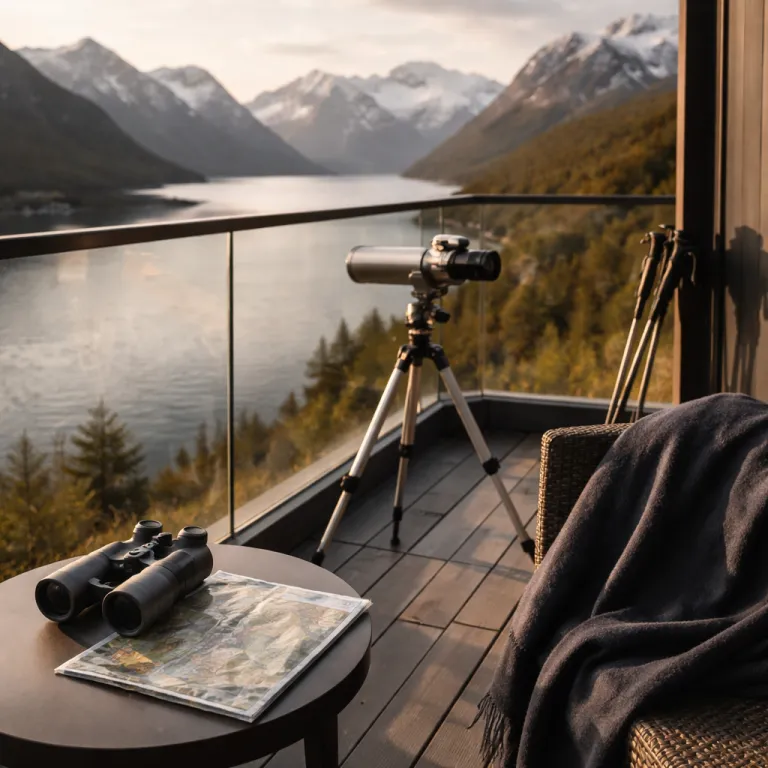
What makes a fjord view hotel in Norway truly exceptional
A fjord view hotel in Norway is not just a room with water outside. The best properties are designed so that the fjord, the mountains and the changing light shape every moment of your stay, turning the view into the main architectural material. When you are staying in the right places, you feel as if the fjords have been framed for you rather than simply seen from a window.
Across the Norwegian fjords, from Hardangerfjord to Sognefjord and Geirangerfjord, only a relatively small number of hotels are fully oriented toward panoramic views, which makes each hotel day feel rare and carefully curated. Tourism statistics from Innovation Norway and regional destination companies show that capacity in prime waterfront locations is limited, especially in summer, with many popular properties reporting July occupancy above 75 percent, which reinforces how selective these places are. These hotels understand that guests do not simply want to stay in Norway; they want to read the landscape hour by hour, watching how the water shifts from steel grey to silver and then to deep blue. When you check into a serious view focused hotel, you are choosing an experience hotel where the fjord is the central amenity, not an accessory.
Luxury travelers comparing one fjord-side retreat with another should look first at how the building is positioned in relation to the water and the surrounding nature. Ask where the sun rises and sets, how the rooms are angled, and whether the public spaces offer layered perspectives or just a single postcard angle. A hotel built with this level of intention will usually also deliver on service, food and quiet, because the entire experience is calibrated around the views and the rhythm of the water.
Svart and the new generation of fjord view architecture
Svart, often described by its developers as an energy-positive hotel concept, represents a new chapter for any fjord view hotel in Norway. Its circular architecture is positioned so that every room faces the fjord and the mountains, creating a continuous 360 degree panorama that changes as you walk the corridors and terraces. This is not about a premium surcharge for a better room category; it is about a hotel designed entirely around the idea that the fjord should be visible from almost every angle.
For travelers who have already stayed in classic Norwegian fjords properties, Svart feels like a natural evolution of the experience hotel concept. The design team has treated the surrounding nature as a partner, using the arc of the sun and the reflection on the water to reduce projected energy use while enhancing the drama of the views. When you stay here, you are not only close to the fjord; you are inside a carefully choreographed relationship between architecture, light and landscape.
This new generation of hotels sits comfortably alongside established names such as Storfjord Hotel, Hotel Union Øye and Fretheim Hotel in Flåm, each offering a different way to experience the fjords. Where Storfjord hides in the forest with filtered views, Fretheim Hotel opens directly onto the water and the fjord cruise traffic, and Hotel Union Øye frames peaks that feel almost theatrical. If you appreciate this level of view driven design, you will probably also enjoy carefully framed lake panoramas such as the floating pool perspective at Lake Como’s grand villas, as explored in this guide to a refined Italian lakeside stay: Lake Como villa with floating pool and Bellagio views.
Classic fjord stays: Flåm, Fretheim Hotel and the Hardangerfjord trio
Flåm remains one of the most strategic places to stay if you want a fjord view hotel in Norway that connects easily with trains, boats and scenic roads. From Oslo, the rail journey via Myrdal on the Bergen Line takes around four and a half to five hours in total, including the famous Flåm Railway, according to travel planners from Vy and Visit Norway. Fretheim Hotel sits a short minute walk from the fjord cruise pier, which means your stay is structured around the movement of ships, kayaks and changing light on the water. Many travelers who have stayed here describe the experience as stepping into a living postcard, with the steep mountains and the narrow fjord creating a natural amphitheatre.
Hardangerfjord offers a different rhythm, with Strand Fjordhotel in Ulvik and Vøringfoss Hotel overlooking broader, more open water. These hotels are classic places to stay for guests who want balconies, fresh air and direct views, rather than elaborate design statements, and they work particularly well as stops on a longer road trip through western Norway. Driving from Bergen to Ulvik typically takes around two and a half to three hours, depending on ferries and traffic, based on route planners from Statens vegvesen and regional tourism offices. Hofslund Fjordhotell in Sogndal adds a family run atmosphere to the mix, proving that a hotel does not need to be large to deliver beautiful fjord views and a strong sense of place.
When you plan a road trip that links Flåm, Hardangerfjord and Sognefjord, you start to understand how varied the Norwegian fjords really are. One day you are staying above wide, calm water with orchards and villages; the next you are in a narrow, dramatic fjord where cliffs rise almost vertically from the sea. If you enjoy this kind of coastal and water focused itinerary, you might also appreciate refined ocean facing properties further south, such as the elegant coastal escapes in Carmel by the Sea described here: Carmel by the Sea hotels with ocean views.
Walaker Hotel, Geiranger and the art of choosing your fjord
Walaker Hotel, often cited as one of the most atmospheric places to stay in the Norwegian fjords, sits quietly on the Lustrafjord with a garden that leads straight to the water. This is the kind of place where a single bench can feel like the best place to stay in the country, because the views are so carefully framed by trees, mountains and light. Guests who have stayed here often talk less about amenities and more about the feeling of waking up to still water and soft morning mist.
Geiranger, by contrast, is all drama, with the Geirangerfjord’s steep walls and waterfalls creating a sense of theatre that no photograph can fully capture. Choosing a fjord view hotel in Norway here, such as a well positioned Geiranger hotel with balconies facing the inner fjord, means accepting that cruise ships and day visitors are part of the scene, but the reward is a view that feels almost unreal at sunrise and sunset. This is where the difference between a standard hotel and a true experience hotel becomes clear, because the best properties angle their rooms and terraces to avoid visual clutter and foreground the raw nature.
When comparing Walaker Hotel with a Geiranger hotel, think about your own rhythm and how you like to read a landscape. Walaker is about long, quiet days, perhaps a short fjord cruise or a walk through orchards, while Geiranger is about verticality, viewpoints and the constant movement of boats on the water. Both belong on a serious fjord itinerary, and both show why Norway remains one of the world’s most special places for travelers who care deeply about views.
Midnight sun, winter darkness and how seasons change the view
Seasonality is the hidden variable that can transform your stay in any fjord view hotel in Norway. During the midnight sun period, especially in the higher latitudes, the light barely fades, which means your hotel day stretches into a continuous golden hour where the fjord and mountains glow long after dinner. In winter, the same fjords become darker, quieter and more introspective, with the possibility of Northern Lights adding a different kind of drama to the sky.
For many travelers, the ideal time to stay in the Norwegian fjords is late spring or early autumn, when the balance between daylight, temperature and visitor numbers feels just right. You can sit on a terrace above the water, read a book and watch the light shift slowly, then retreat to a spa hotel with a well designed fjord spa that frames the landscape through large windows. In winter, by contrast, the experience is more about interior comfort, hot pools and the contrast between warm indoor spaces and the cold, dark nature outside.
Whichever season you choose, it is worth checking how your chosen hotel handles light and darkness, because this will shape your entire stay. Ask whether rooms have blackout curtains for the long summer days, how the public spaces are lit in winter, and whether there are sheltered outdoor areas where you can sit and watch the water even in cooler weather. The best hotels treat light as carefully as they treat food and service, understanding that in Norway, the views are never static.
Practical itinerary planning: from Oslo to the fjords and beyond
Most travelers will start or end their fjord journey in Oslo, which makes it a useful anchor when planning where to book a fjord view hotel in Norway. From Oslo, you can reach Flåm by train and fjord cruise, Hardangerfjord by car, or the Sognefjord region by a combination of rail and road, building a road trip that strings together several special places to stay. Think of Oslo as the urban counterpoint to the fjords, with its own water focused views and some of Norway’s best restaurants for a final night before flying home.
When you plan your route, decide how many hotel changes you actually enjoy, because each move reshapes your experience. Some travelers prefer to stay three nights in one place, using the hotel as a base for day trips and returning to the same familiar views each evening, while others enjoy a sequence of shorter stays that reveal different fjords and different angles on the water. Either way, it is worth booking early for peak periods, as data from Statistics Norway and regional tourism boards show that occupancy in popular fjord destinations regularly climbs well above 70 percent in July and August.
For inspiration beyond Norway, and to understand how other destinations frame iconic landscapes, you can look at carefully curated city view guides such as this selection of elegant hotels with Central Park views in New York: Central Park view hotels in New York. Comparing how a New York hotel, a Lake Como villa and a Norwegian fjord property handle light, framing and proximity to the water will sharpen your eye when choosing where to stay. Over time, you will start to recognise the difference between hotels that simply face a view and those that truly belong to it.
How to use view focused platforms and what to expect on site
Specialist platforms such as view-stay.com exist to help you find Norway properties where the view is not an afterthought but the core of the concept. When you browse these curated selections, you can skip content that does not prioritise views and focus instead on hotels where every room category, not just a few suites, offers meaningful contact with the fjord. Many travelers choose to subscribe to a newsletter from such platforms to stay informed about new openings, seasonal offers and under the radar places to stay.
Once you have chosen your fjord view hotel in Norway, take time to read the fine print before you confirm. Check whether all rooms have direct fjord views or only some, how far the hotel is from the water, and whether there are any construction projects nearby that might affect the atmosphere. It is also worth asking about access to wellness facilities such as a fjord spa, the presence of on site or nearby best restaurants, and any partnerships with local operators for activities on the fjord.
On arrival, give yourself at least one unstructured hotel day to simply stay put and watch how the landscape changes. Walk the property, find your favourite place to stay within the hotel itself, whether that is a quiet corner of the lounge, a terrace above the water or a window seat in your room. The most memorable Norwegian fjords stays are rarely about ticking off sights; they are about allowing the views, the light and the slow movement of the water to set the pace of your trip.
Key figures for fjord view hotels in Norway
- Official accommodation statistics from Statistics Norway show that capacity in fjord regions is concentrated in a limited number of waterfront hotels, which means availability can be tight in peak months and early booking is strongly recommended.
- Average occupancy in high season often reaches around three quarters of available rooms in major fjord destinations, reflecting the strong global demand for Norwegian fjords experiences (based on aggregated data from Statistics Norway and regional tourism boards).
- Many fjord hotels now operate year round, adjusting services and activities to match seasonal conditions, which allows travelers to choose between midnight sun stays and winter Northern Lights focused trips.
- Growing interest in eco friendly stays has encouraged properties such as Svart to pursue ambitious low energy and energy-positive design goals, aligning sustainability with panoramic fjord and mountain views.
FAQ about fjord view hotels in Norway
What amenities do fjord view hotels usually offer ?
Amenities include balconies, restaurants, Wi-Fi, and activities. In practice, this often means terraces facing the water, lounges with large windows, and access to outdoor experiences such as kayaking, hiking or a local fjord cruise.
Are fjord view hotels open all year round ?
Most operate year round; some may have seasonal closures. In winter, services may focus more on wellness and indoor comfort, while in summer the emphasis shifts toward outdoor activities and long daylight hours.
How can I book a room with a guaranteed fjord view ?
Book directly through hotel websites or contact them via email. When you reserve, specify that you want a room with an unobstructed fjord view, ask which categories qualify, and request written confirmation before you finalise payment. A simple line such as “Could you please confirm in writing that my room will have a direct fjord view with no significant obstructions?” makes your expectations clear.
Should I stay in one fjord area or combine several regions ?
If you have limited time, staying in one region such as Hardangerfjord or Sognefjord allows you to settle into the landscape and reduce travel. With more days, combining areas like Flåm, Geiranger and Lustrafjord on a road trip reveals how different the Norwegian fjords can feel, even within a relatively compact area.
Is it better to prioritise spa facilities or the pure view when choosing a hotel ?
Travelers who value wellness and relaxation may prefer a spa hotel with a well designed fjord spa, especially in cooler seasons. View purists often choose simpler properties that sit closer to the water or offer more dramatic angles, accepting fewer facilities in exchange for a more intense connection with the fjord.