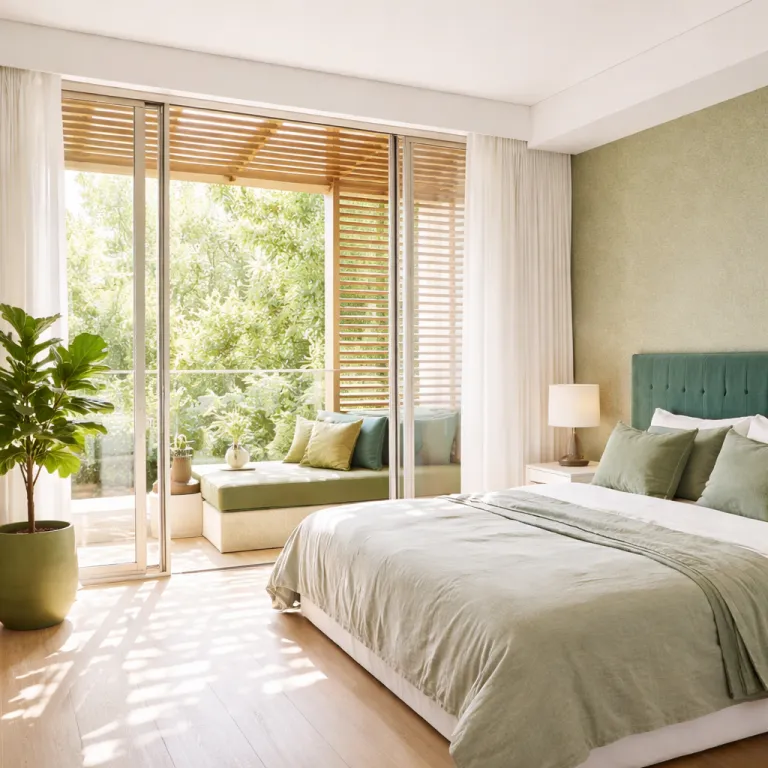
How hotel architecture choreographs natural light from dawn to dusk
In the best hotels, architecture treats light as a material, not a backdrop. Thoughtful design turns every room into a calibrated instrument where natural light and shadow shift the mood from sunrise to nightfall. This is where hotel architecture natural light design stops being theory and becomes a lived guest experience.
Architects start with orientation, aligning each hotel and its interiors to the sun’s path rather than just the postcard view. East facing rooms are designed for guests who want soft light natural tones at 07:00, while west facing suites lean into golden hour lighting that flatters every photo and every glass of wine. North light is often underrated in hospitality, yet its even natural lighting is ideal for calm hotel interiors, reading corners, and long working sessions.
Projects like the circular Svart Hotel show how architecture design can maximize natural light from every angle across an Arctic day night cycle. Its ring shaped concept, carefully designed by a specialist architecture interior team, uses light architecture and natural ventilation to keep the space comfortable while framing wild landscapes. This kind of sustainable design proves that a hotel can be both nature inspired and technically advanced in its lighting architecture.
Design firms now treat natural light as a primary brief, not a decorative afterthought. A31 Architecture shaped the aptly named Into the Light Hotel around atriums and voids that pull daylight deep into the interior design, while Meyer Davis Studio reimagined Hotel Arts Barcelona with open interiors and reflective surfaces that bounce light through every space. DLR Group’s work at Des Moines Hilton Downtown shows how precise lighting design can complement daylight, creating a seamless transition from natural to artificial lighting.
For travelers, the takeaway is simple yet powerful. When you evaluate hotels, look beyond the headline view and ask how the architecture has been designed to work with nature throughout the day. A room that changes character with every hour will stay with you far longer than a static panorama.
Room orientation, window framing and the art of living with the sun
Choosing the right room in a luxury hotel is partly about geography and mostly about light. Architects use hotel architecture natural light design to decide which façades host suites, which hold corridors, and which become dramatic double height hotel interiors. Understanding that logic helps guests request rooms where the light, not just the view, matches their lifestyle.
East facing rooms suit early risers who want natural light to act as a gentle alarm clock. Here, interior design often uses pale woods, soft textiles, and a restrained architecture interior palette so that morning light natural tones feel warm rather than harsh. West facing rooms, by contrast, lean into richer colors and deeper shadows, creating a cinematic design lifestyle when the sun drops and the city or wild landscape starts to glow.
North facing rooms rarely headline marketing photos, yet their consistent natural lighting is beloved by architects and photographers. This orientation is ideal for guests who work on the road, as glare free light architecture keeps screens readable and minds calm. South facing rooms can be spectacular in design hotels, but they demand intelligent lighting architecture, shading, and sometimes smart glass to prevent overheating while still celebrating nature outside.
Window style matters as much as orientation. The Japanese approach often frames a single view like a living photo, using architecture design to crop the landscape into a precise composition. Scandinavian hotels tend to maximize glass, with floor to ceiling panes that flood the hotel interior with natural light and blur the boundary between interiors and nature.
On the Riviera, properties such as the Belle Époque revival highlighted in this architectural grand hotel on the Gulf of Saint Tropez show how a design concept can balance framed vistas and expansive glazing. Their interiors are carefully designed so that guests can track the sun from salon to terrace without losing visual comfort. When you book, ask which side of the hotel catches sunrise, which sees sunset, and which floors sit above neighboring shadows.
Golden hour strategies: lobbies, pools and terraces built for light
The most memorable hotels treat golden hour as a daily event that deserves architectural planning. Instead of leaving the best light to a handful of suites, they design shared spaces so every guest can inhabit the glow. This is where hotel architecture natural light design intersects with hospitality strategy.
Architects map how light moves across pools, lobbies, and restaurants at both sunrise and sunset. A rooftop bar might be designed to catch the last light natural rays over the sea, while a ground level lounge faces east for coffee in soft morning lighting. Properties like Cape Town EDITION orient their rooftop spaces so Atlantic light washes across the pool while Table Mountain and Lion’s Head sit perfectly within the frame.
In Paris, Hotel de Sers positions its panoramic terrace to track the sun from the Eiffel Tower to Montmartre, turning one architectural gesture into an all day guest experience. Here, interior design and exterior space merge, with hotel interiors opening directly onto terraces where natural ventilation and nature inspired planting soften the urban setting. The architecture interior team uses materials that respond beautifully to both light and shadow, so every photo taken at golden hour feels editorial.
Water, stone, and glass are the classic trio for amplifying golden hour. Reflective pools double the sky, while textured façades catch raking light and create intricate shadows that animate the hotel interior just behind the glass. Lighting design then steps in as the sun drops, using warm tones that extend the natural lighting mood rather than abruptly replacing it.
For travelers obsessed with views, it pays to ask very specific questions. Which bar or pool has the best sunset lighting architecture, and on which floor is it located ? Are there any design natural terraces where you can feel the breeze and watch the wild landscape change color ? For more altitude focused inspiration, the curated guide to sky view hotel escapes above city and sea is a useful reference when comparing hotels that promise dramatic light.
Glass, shadow and circadian tech: when artificial light extends the day
Floor to ceiling glass has become shorthand for luxury, yet the best hotels use it with restraint. Uninterrupted glazing can flatten a view and overexpose a hotel interior, while a carefully framed opening can turn the same landscape into a powerful architectural statement. The tension between openness and framing sits at the heart of hotel architecture natural light design.
Japanese influenced designs often treat windows as precise apertures, using deep reveals to sculpt shadow and focus attention. Scandinavian inspired hotels, especially in northern latitudes, prioritize maximum glass to capture scarce natural light and connect interiors with wild surroundings. Both approaches rely on sophisticated lighting design and shading to maintain comfort, especially in spaces where guests linger for hours.
As circadian science filters into hospitality, artificial lighting now works harder to mimic natural light patterns. Many new luxury hotels use tunable LEDs that shift color temperature from cool morning tones to warm evening hues, supporting the body’s internal clock. Industry research notes that “Circadian lighting now standard in luxury new builds, mimicking natural light patterns (Elkay Interior Systems, 2026).”
Inside rooms, this means bedside controls that adjust both intensity and color, aligning with the day’s rhythm rather than fighting it. In corridors and hotel interiors, lighting architecture subtly guides guests from bright public zones to calmer, darker spaces that prepare the mind for sleep. When done well, the transition from natural lighting to artificial feels almost invisible, preserving the design concept that began with the sun.
Travelers should pay attention to how a hotel london property, or any urban hotel, handles glare, reflection, and night views. Ask whether rooms have layered lighting design, not just a central ceiling fixture and a desk lamp. A well designed mix of indirect light, focused reading lamps, and dimmable accents will keep the architecture interior legible long after sunset.
How to book for light: questions seasoned travelers always ask
Securing the right room is less about charm at check in and more about precise questions before you book. View focused travelers treat hotel architecture natural light design as a selection tool, not an afterthought. They know that the same category can feel entirely different depending on orientation, floor, and interior design details.
Start by asking which room types face east, west, north, and south, and request a plan or clear description. Clarify whether any nearby buildings or trees cast significant shadow at key times, especially if you care about sunrise yoga or sunset drinks in your own hotel interior. If you are sensitive to heat, ask how sustainable design strategies such as shading, glazing, and natural ventilation keep the space comfortable without closing curtains all day.
Next, dig into window and balcony details. Is the glass floor to ceiling, or is the view framed by a lower sill that might interrupt the line of sight when seated ? Are there any design hotels style corner rooms where two orientations meet, giving you both morning and evening natural light in one space ? For photographers, it is worth asking whether windows can be opened for reflection free photo moments, and how interior lighting can be dimmed to avoid glare.
Finally, ask about the hotel’s overall design concept and how it relates to nature. Properties that speak openly about biophilic design, nature inspired interiors, and architecture design tuned to the landscape usually care deeply about guest experience beyond marketing language. They are more likely to have interiors designed by specialist teams, such as A31 Architecture or Meyer Davis Studio, who understand how light architecture, lighting design, and architecture interior choices shape every stay.
When you arrive, walk the property at different times of day. Notice which spaces feel magnetic at 07:00, 13:00, and 19:00, and how lighting architecture shifts as the sun moves. Those observations will refine your instincts for the next trip, whether you are booking a remote retreat or a view led stay like the lakeside property explored in this Lake Como villa with a floating pool and Bellagio views.
FAQ: hotel architecture and natural light for view driven stays
Why is natural light important in hotel design ?
Natural light is central to hotel architecture because it shapes mood, comfort, and energy use. As one expert summary puts it, “It enhances ambiance, improves guest well-being, and reduces energy costs.” For guests, that translates into brighter, healthier spaces that feel connected to nature rather than sealed off from it.
How do hotels maximize natural light without overheating rooms ?
Architects combine orientation, glazing choices, and shading to balance natural light and thermal comfort. Large windows, skylights, and open atriums bring daylight deep into hotel interiors, while overhangs, louvers, and smart glass control heat gain. Sustainable design strategies such as natural ventilation and high performance glass allow hotels to keep views open without relying solely on air conditioning.
What are the benefits of using natural light for the guest experience ?
Spaces with generous natural lighting feel more spacious, legible, and calming, which directly improves guest experience. Studies in hospitality design show that daylight can increase reported satisfaction and even lengthen stays. For travelers, this means rooms that support better sleep, more productive work, and more memorable moments at every hour.
How can I tell from photos whether a room has good light ?
Look for clues such as the direction of shadows, the height of windows, and whether curtains are fully closed in marketing images. If every photo shows lamps on during the day, the room may rely heavily on artificial lighting. When in doubt, ask the hotel directly about orientation, window size, and any obstructions that might block light.
Do naturally lit hotels really save energy ?
Well planned hotel architecture natural light design can significantly reduce daytime electricity use. Industry data indicates that thoughtful daylight strategies can cut lighting energy consumption by around one fifth in some properties. For guests, this often aligns with a broader sustainability story that includes efficient systems, responsible materials, and a closer relationship between interiors and the surrounding landscape.