Why silence is the new oceanfront upgrade
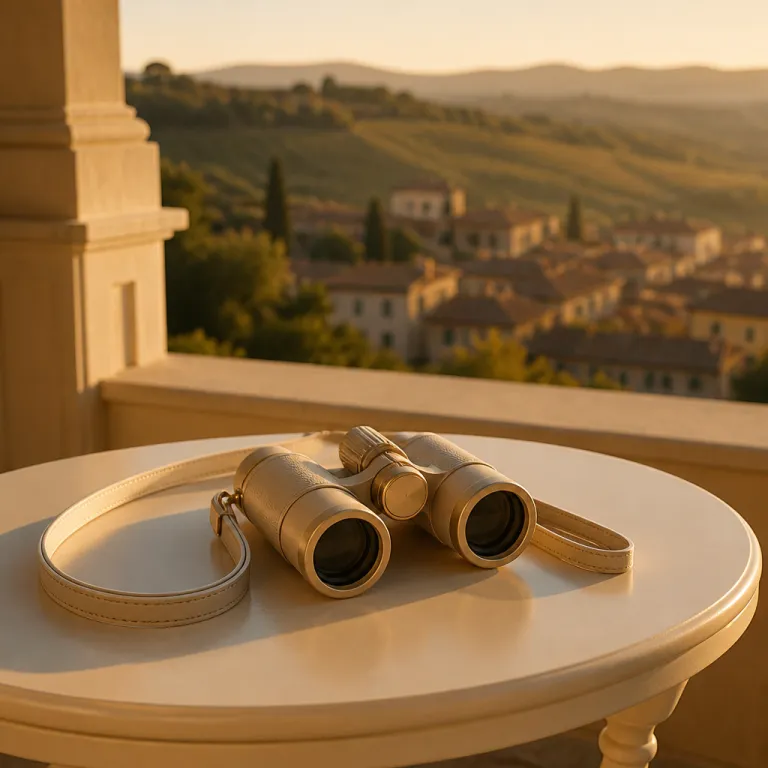
Luxury hotels in secondary destinations are quietly rewriting what a view means. When a property chooses a hillside above a small town rather than a crowded beach strip, the panorama gains a rare calm that transforms every stay. This is where a quiet-view luxury retreat in a lesser-known location stops being a passing travel trend and becomes a way of seeing the world.
Hospitality analysts now talk about “hushpitality”, often defined as “a trend focusing on silence as a luxury in hospitality.” In practice, that silence lets guests hear the tide below a private beach, the wind over a national park ridge, or the bells from a historic downtown rather than traffic and nightclub bass. Industry surveys in 2023 from several major hotel groups reported that more than half of respondents ranked “peace and quiet” above “proximity to nightlife” when choosing a high-end stay. For solo travelers, that quiet is not an absence of community but a different kind of one, built around shared respect for natural beauty instead of shared queues for the same selfie spot.
There is a clear economic logic behind this shift toward alternatives to the main resort strip. Land in a lesser known island or inland valley costs a fraction of a famous south beach address, so hotels can afford the cliff edge, the river bend, or the vineyard slope that would be impossible in a primary resort town. Those lower costs allow more generous room sizes, better positioned suites, and thoughtful extras like a hotel spa or a small resort spa wing that faces sunrise instead of the parking lot. One guest review of a hillside property in southern Italy, the family-run Borgo Egnazia in Puglia, published on a major booking platform in 2022, simply read, “I booked for the spa, but stayed an extra night for the sunrise.”
How secondary destinations unlock better views
Look closely at where the most compelling view-led hotels are opening and a pattern emerges. They cluster in places where the map once showed only a national park boundary, a working harbour, or a hillside village rather than a famous resort town. That is the essence of a secondary-destination luxury hotel focused on views; the landscape was always there, but the crowds were not.
Because land is less contested, architects can orient every room toward a specific view rather than squeezing rooms around a central corridor. In Lombok, Indonesia, for example, several new hotels sit above quiet coves rather than on the main beach, so even entry level rooms have a line of sight to the sea and the volcanic ridges behind. Similar thinking shapes properties in southern Italy, where a former farmhouse outside a small town can offer a better sunset than a cramped palace in a famous coastal city.
Silence is not just a mood, it is a design tool. When there is no highway below the cliff, a hotel can open entire walls of glass without worrying about noise, letting guests check the changing light from bed at any hour of the night. Pools can be placed on the ridge line, so a swimming pool becomes a reflection basin for the sky rather than a crowded rectangle between restaurants, bars and shops.
Case studies: islands, valleys and hot springs off the grid
Remote islands show how a secluded luxury hotel with a view-first philosophy can turn absence into amenity. On quieter parts of Lombok, hotels use terraced suites to frame both the beach and the inland rice fields, so guests wake to a double horizon instead of another tower. The same island logic applies in Italy’s lesser known archipelagos, where a single property on a volcanic island can offer uninterrupted sea views in every room.
Mountain and valley retreats follow a similar playbook. In regions bordering national park landscapes, a small property can sit just outside the protected line, giving guests front row access to natural beauty without the bureaucracy of staying inside the park itself. Hot spring resorts in rural valleys often combine a hotel spa with open air pools, so the swimming pool edge becomes the best secret vantage point for stargazing at night.
Desert and geothermal areas add another layer to this quiet luxury. A resort spa built near a hot spring can channel mineral water into private soaking decks, where each room has its own small pool facing dunes or mountains instead of a car park. These properties rarely chase a Michelin star restaurant, but they might host a chef who uses local olive oil, island fish and garden herbs to create dinners that match the view rather than overshadow it.
The solo traveler advantage in hush destinations
Solo travelers are often the first to test a new view-led hideaway in a secondary destination. They are less tied to school holidays, less interested in validation from famous addresses, and more willing to trade a branded south beach skyline for a quiet island cove. For them, the best room is not the largest suite but the one where the window explains why the hotel was built there at all.
Secondary destinations also tend to be more genuinely family friendly, which paradoxically benefits solo guests. When a property is designed for longer stays, with generous rooms, a calm swimming pool and a hotel spa that opens early and closes late, the rhythm of the day slows for everyone. Shared spaces feel like a temporary community rather than a lobby queue, especially in hotels that integrate local shops, restaurants and understated bars instead of a single cavernous buffet.
For independent travelers, the practicalities matter as much as the romance. They will check transport links carefully, knowing that a small town with one reliable bus can be easier than a famous resort with constant traffic jams. They look for properties where staff know the hiking paths into the nearby national park, the family run olive oil mill, or the hot spring used by locals rather than only the tourist spa.
Finding these view led hotels before they go mainstream
The paradox of any quiet-view luxury destination is that success can change the very silence that made it special. Once a single property proves that a forgotten bay or hillside can support high nightly rates, more hotels follow, and the view slowly fills with lights. The art is to arrive in the window between pioneering quiet and inevitable popularity.
Start by tracking where serious luxury brands are experimenting with smaller footprints. The JW Marriott Masai Mara Lodge in Kenya, for example, opened in 2023 inside the Masai Mara National Reserve, according to Marriott’s own announcements, and shows how a major flag now values a view with wildlife and open savannah rather than a dense resort skyline. Similar patterns appear in Lombok, Indonesia, where early properties in lesser known bays signal that the island’s next wave of hotels will look beyond the main beach strip.
Use specialist resources that analyse what each room category really offers in terms of view, not just square metres. A detailed guide to water villas in the Maldives that explains what each price point actually gets you, such as the type of analysis found on dedicated Maldives water villa pricing pages, trains you to read between the lines of any hotel description. Apply that same scrutiny to secondary destinations; ask whether the room faces the sea, the town, the national park, or simply another wall, and whether the property’s best secret vantage points will still feel private once more guests arrive.
FAQ
What does “off beaten path luxury hotel view destination” really mean ?
It describes a high end hotel or group of hotels located away from major tourist hubs, where the main attraction is a carefully framed view rather than a famous address. These properties often sit near a national park, on a quieter part of an island, or above a small town instead of in a dense resort strip. The combination of silence, natural beauty and thoughtful design turns the view into the defining amenity of the stay.
How can I check if a hotel view is genuinely good before booking ?
Look beyond marketing photos and study the room descriptions, floor plans and guest reviews. Focus on which specific rooms or suites face the sea, valley, historic downtown or mountains, and which face internal courtyards or other buildings. When in doubt, contact the property directly and ask for the exact room number or orientation that matches the view you want.
Are secondary destination hotels suitable for families and solo travelers ?
Many off beaten path properties are deliberately family friendly, with larger rooms, calmer swimming pool areas and flexible dining that works for different ages. At the same time, solo travelers benefit from the slower pace, quieter nights and easier connection with local community life in a small town or island village. The key is to read recent guest feedback to see whether the balance of families, couples and solo guests matches your preferred atmosphere.
Do I need a car to enjoy these quieter hotels ?
Transport varies widely between destinations, so you should always check access before confirming a stay. Some properties near a national park or in rural Italy are easiest with a rental car, especially if you want to visit local restaurants, bars or olive oil producers. Others on islands like Lombok, Indonesia may offer reliable transfers, boat shuttles or partnerships with local drivers, making car free travel entirely feasible.
Will these off beaten path destinations stay quiet for long ?
History suggests that once a secondary destination gains a reputation for luxury views, more hotels follow and the area becomes busier. However, strict zoning near national park borders, limited ferry capacity to small islands, or heritage rules in historic downtown areas can slow that growth. If you value silence, it is wise to visit earlier in a destination’s life cycle and choose properties that clearly prioritise low density design and respect for the surrounding community.