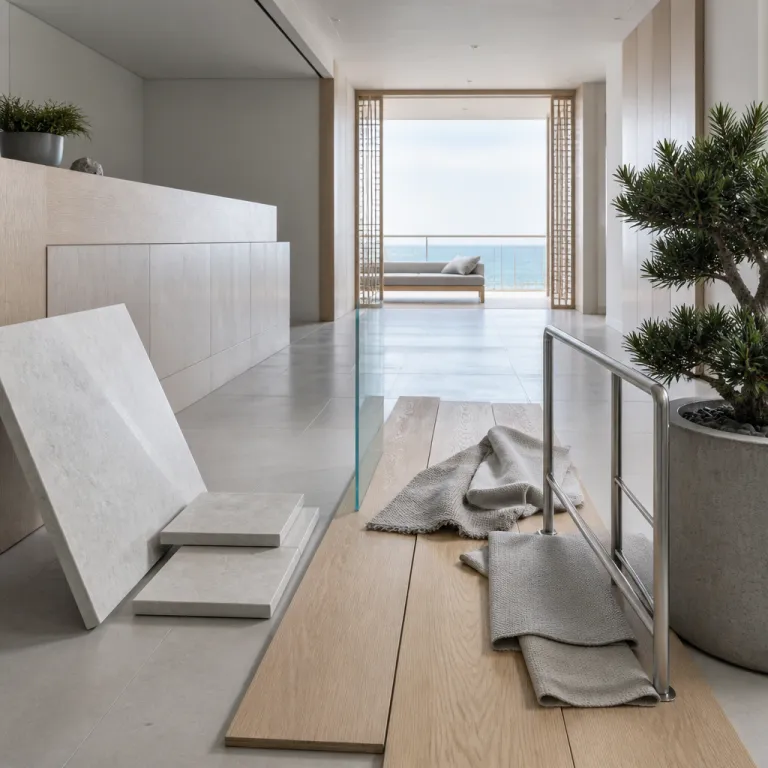
The choreography of the hotel view experience from lobby to room
The most memorable hotel view experience lobby to room design begins long before you reach the keycard slot. A luxury hotel that understands hospitality as choreography uses every lobby, corridor, and threshold to create a sequence of views that quietly resets your mood and expectations. When you book hotels through a premium platform focused on views, you are really choosing how that visual journey will work on your senses.
For high end guests, the first framed glimpse from the hotel lobby is not about spectacle but about setting an emotional baseline for the stay. Thoughtful lobby design compresses the space near the entrance, then releases you toward light, landscape, or skyline, using design elements such as ceiling height, flooring patterns, and carefully placed furniture to guide your eye. Architects call this compression and release, and the best modern hotel projects use it to create a subtle sense of anticipation that continues all the way to the hotel room.
Hotel designers and hotel managers know that this sequence of spaces directly shapes perceived value and guest satisfaction. Industry research consistently shows that a large majority of guests value room views when choosing a hotel, and that a strong first impression in public areas increases the likelihood of repeat stays. That is why the most successful hotel design strategies treat the lobby, corridors, and rooms as one continuous interior design narrative rather than isolated areas with disconnected ideas.
Why the lobby view sets the emotional baseline
Step into a well considered modern lobby and you feel the stay begin before check in. The hotel lobby is the first interior design statement, and its view either calms you after travel or leaves you wondering whether the room can compensate. When a booking website highlights lobby views alongside room design, it helps guests understand how the whole experience will unfold, not just what they will see from the bed.
At properties such as Mandarin Oriental hotels, lobby design often uses a low, intimate arrival area that opens toward a garden, river, or city panorama, turning the view into a focal point rather than background decoration. This is where biophilic design comes into play, with greenery, water, and natural materials softening the transition from street to sanctuary and making the lobby spaces feel both modern and timeless. The Japanese inspired approach at places like Capella Kyoto, where a central courtyard mediates between city and interior areas, shows how lobbies can create a psychological buffer that prepares you for the room beyond.
For business leisure travelers, this first view is a form of decompression that separates work from rest in a way no spa treatment can match. When hotel lobbies are designed as calm, eco friendly event spaces with controlled sightlines, they allow executives to check emails discreetly while still feeling connected to the destination outside the glass. If you want to go deeper into how hyper local design shapes these first impressions, explore this analysis of why hotels that source locally build better rooms, which shows how materials and views work together to create authenticity.
The corridor problem and the art of anticipation
Many hotels still treat the journey from elevator to room as dead space, and that is where the hotel view experience lobby to room design often collapses. Long, anonymous corridors with harsh lighting and no visual relief flatten the mood that a beautiful lobby just created, leaving guests in a kind of sensory limbo. For a luxury stay, those in between areas should work as a narrative bridge, not as a visual void.
Designers and architects who understand hospitality use subtle lobby ideas and corridor strategies to maintain anticipation without revealing the full view too early. Narrower hallways that occasionally open onto small windows, internal courtyards, or art lit niches create micro moments of release that echo the lobby design while still holding back the main panorama. Stone pathways linking courtyards that gradually reveal the sea, as seen in some Mediterranean design hotel projects, show how movement through space can make the eventual balcony view feel earned rather than simply purchased.
From a hotel management perspective, these transitional areas are also prime opportunities to integrate eco friendly materials, acoustic control, and biophilic design elements that improve both comfort and sustainability. Timber wall panels, soft carpets, and carefully placed plants can turn a functional corridor into a quiet decompression tunnel that prepares guests for the intimacy of the hotel room. When you evaluate hotels on a booking platform, check whether the property photography shows these circulation spaces, because that often signals how seriously the team takes the full sequence of views.
Room design, balcony drama, and the risk of disappointment
The final act of any hotel view experience lobby to room design is the moment you open the door and walk toward the window or balcony. If the lobby view has been overwhelming, there is a real risk that the room design will feel like a downgrade, even when the square metres and amenities are objectively generous. The most successful hotel design strategies therefore calibrate the lobby and room views so that the private panorama still delivers a clear emotional payoff.
In a well resolved modern hotel, the hotel room is oriented so that the bed, desk, and seating areas all align with the primary view, turning the landscape into the true focal point. Furniture is kept low and streamlined, with interior design palettes that recede rather than compete, allowing the eye to travel unbroken from headboard to horizon. This is where biophilic design again proves its value, as natural textures and colours inside echo the scenery outside, making the transition from interior spaces to balcony feel seamless.
Some of the most compelling examples come from resorts that stage a progressive reveal from lobby to terrace, such as the Riviera island project explored in this feature on a Provençal style village hotel on a private island. There, event spaces, pathways, and rooms are all positioned so that each step offers a slightly different angle on the sea, culminating in private balconies where the view feels both expansive and personal. When comparing hotels on a view focused platform, look for floor plans and photos that show this kind of alignment between room design, balcony orientation, and the wider hospitality narrative.
Design strategies that turn views into restorative rituals
For the business leisure executive, the true luxury of a hotel view experience lobby to room design lies in how it supports daily rituals. Morning light in the hotel room should help you reset your body clock after a late arrival, while the lobby coffee area should offer a calm vantage point over the city before meetings. When hotel lobbies and rooms are designed as a sequence of restorative spaces, the view becomes a tool for managing energy rather than just a backdrop for photos.
Biophilic design plays a central role here, with greenery, water features, and natural ventilation used to soften both public and private areas. Eco friendly materials such as reclaimed wood, stone, and low VOC finishes not only reduce environmental impact but also create tactile comfort that complements the visual drama outside the glass. Designers and architects increasingly talk about privacy, proportion, and discretion as the new markers of luxury, which means that the best modern lobby and room design now favours layered views over showy, fully exposed panoramas.
From the perspective of hotel management, this approach also supports longer stays and higher guest loyalty, because it aligns the physical environment with the psychological needs of travellers who blend work and leisure. When you evaluate hotels on a booking site, check whether the images and descriptions talk about how spaces are used at different times of day, not just about the headline view. Properties that explain how their hotel design supports morning focus, afternoon decompression, and evening unwinding are usually the ones that have truly mastered the sequence from lobby to balcony.
How to read photos and plans on a view focused booking site
Choosing a hotel view experience lobby to room design through a screen requires learning to read images like an architect. Start with the hotel lobby photos and ask yourself whether the design elements guide your eye toward a controlled focal point or scatter your attention across unrelated décor. Then move through the gallery as if you were walking the property, checking how each space connects to the next and whether the views build in intensity.
Look closely at corridor and elevator area shots, because these often reveal whether the hotel design treats circulation as part of the hospitality experience or as a purely functional necessity. A modern lobby with clear sightlines, warm materials, and glimpses of daylight usually signals that the rest of the spaces have been considered with similar care. When floor plans are available, trace the path from entrance to hotel room and balcony, noting how many turns, doors, and compression points you pass before reaching the main view.
Guest surveys consistently show that a high percentage of travellers value room views, and that those views significantly enhance perceived luxury. As one industry summary puts it, “Why are hotel views important? They enhance guest satisfaction and perceived luxury.” and “How does lobby design affect guest experience? It sets the first impression and mood for the stay.” When you combine that knowledge with a careful reading of photos, plans, and descriptions, you can select hotels where the sequence of views from lobby to balcony has been intentionally crafted rather than left to chance.
FAQ
Why do lobby views matter as much as room views in luxury hotels ?
The lobby view sets the emotional tone for the entire stay and shapes your expectations before you see the room. A well designed hotel lobby uses light, proportion, and focal points to create a sense of arrival that makes the eventual room view feel like a natural climax. When the lobby view is neglected, even a strong panorama from the room can feel disconnected from the rest of the experience.
How can I tell from photos whether a hotel has a good sequence of views ?
Review the image gallery in the order you would move through the hotel, starting with the entrance and lobby, then corridors, then the room and balcony. Look for consistent interior design language, recurring materials, and views that gradually open up rather than appearing all at once. If the photos jump randomly between spaces without showing transitions, the visual journey on site is often equally disjointed.
What should business travelers look for in room design related to views ?
Business travelers should prioritise rooms where the desk, seating, and bed all orient toward the primary view, allowing them to work and unwind without turning away from natural light. Calm, restrained palettes and minimal visual clutter help the exterior landscape become the main focal point, which supports mental decompression after meetings. Features such as blackout curtains, adjustable lighting, and quiet ventilation complete the experience by giving you control over how and when you engage with the view.
How does biophilic design enhance the hotel view experience from lobby to balcony ?
Biophilic design integrates natural elements such as plants, water, and organic materials into interior spaces, creating a visual and sensory bridge to the outdoor landscape. When lobbies, corridors, and rooms echo the colours and textures of the surrounding environment, the transition from interior to balcony feels more harmonious. This approach not only improves wellbeing but also makes the view feel like an integral part of the architecture rather than an add on.
Why do some spectacular lobby views make the room feel disappointing ?
When a lobby offers a dramatic, all encompassing panorama, it can unintentionally set a standard that the more intimate room view cannot match. If the room design does not reframe the landscape in a personal, human scale way, guests may feel they have already seen the best the hotel can offer. The most successful properties manage this by keeping the lobby view suggestive rather than exhaustive, saving a distinct, private perspective for the room and balcony.