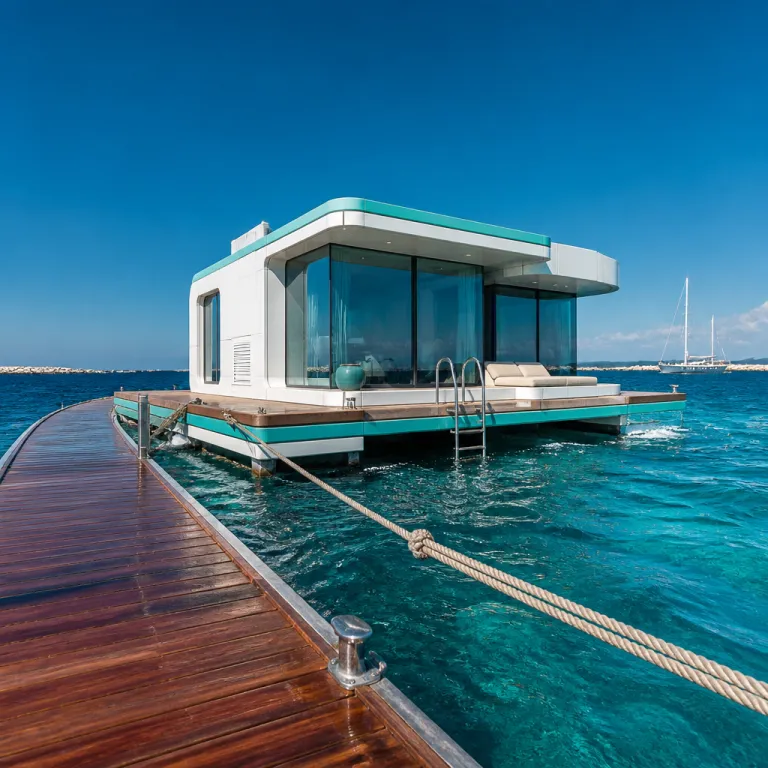
Why floating hotel luxury sailing residences change how we look at views
The new generation of floating hotel and luxury sailing residence concepts expected around summer 2026 is quietly rewriting what a room with a view can mean. Instead of a fixed panorama, your outlook, your voyage and your entire experience shift with the light and the sea. For families used to choosing between a city skyline and a beach horizon, this moving frame changes the psychology of luxury travel in ways that feel both grand and surprisingly intimate.
Onboard residential-style ships such as the long-stay vessel The World, launched in 2002 and carrying roughly 150–200 residents at any time, the view is not a category upgrade, it is the architecture. These ships are engineered so that spacious apartments and smaller family suite layouts face the waterline, turning every corridor walk into a quiet experience of the sea. Early marketing for future residential projects, including the proposed Somnio “yacht liner” concept, suggests a similar focus on outward-facing layouts. When you book a floating hotel or luxury sailing residence stay for summer 2026, you are effectively booking a sequence of view-filled voyages rather than a single postcard moment.
Floating hotels are accommodations situated on water, offering unique lodging experiences that blend cruise-style movement with resort-style privacy. Many of these properties and residential ships incorporate sustainable technologies to minimize environmental impact, including advanced waste treatment and energy management systems that meet or exceed International Maritime Organization guidelines. Prices vary widely; for example, public reports indicate that residences on The World have historically sold from under US$1 million to several million dollars depending on size, deck position and layout, with typical one-bedroom homes starting around 100–120 square meters.
Concepts such as the LNG-powered MSC World Europa, which entered service in 2022 with a capacity of about 6,700 guests, and forthcoming hybrid-powered expedition ships sit alongside private yacht-style projects from Blue World Voyages, which offers luxury residences on a private cruise ship for travelers who want a more intimate sea journey. For families, the appeal lies in the stability of large hulls, the engineering that tames a day at sea, and the ability to set sail without sacrificing the comforts they expect from land-based destinations.
From mediterranean sailing yachts to overwater villas: where the views move
Summer itineraries for floating hotel and luxury sailing residence experiences are clustering around the mediterranean, where sailing yachts and residential ships can thread together the french riviera, the amalfi coast and the greek isles in a single journey. A ship like the relaunched Orient Express Silenseas project, announced as a future sailing yacht with around 50 suites, illustrates how a yacht-scale vessel can feel like a grand hotel while still slipping into smaller harbors. Families who usually book a resort now weigh whether a cruise-style voyage with spacious suites might actually deliver better light, better angles and a calmer experience of the sea.
On these routes, you might wake with a sunrise over the french riviera, spend a day at sea watching the coastline slide by, then fall asleep anchored off the greek isles. The same suite becomes a moving observatory, with terrace dining turning into one of the most memorable culinary experiences of the trip. For parents, the ability to explore several destinations in one voyage without constant packing is often the tipping point between a traditional cruise and a stay on a residential-style ship or floating hotel.
Designers are borrowing lessons from cliffside resorts such as the Four Seasons in Mykonos, where every terrace faces the Aegean, to refine how onboard decks frame the horizon. That same attention to angles now appears on river voyages and overwater villas, from the Maldives to emerging Southeast Asian destinations, where families can find inspiration in how architects choreograph the path from bed to balcony. Whether you choose a private yacht charter, a residential cruise or a cluster of overwater suites, the question is no longer whether you have a sea view, but how many different perspectives your voyage will hold.
Engineering calm: stability, safety and the real cost of views at sea
Behind every serene photograph of a floating hotel or luxury sailing residence stay lies a serious engineering story. Advanced stabilization systems, water treatment plants and energy management tools allow these ships to offer casual luxury standards that rival land-based resorts. For parents comparing options, the difference between a traditional cruise ship and a purpose-built residential vessel often comes down to how calm the sea feels inside the suite.
Large residential ships and new-generation cruise vessels use wide beams and sophisticated fin or gyroscopic stabilizers to reduce motion, which matters when children are moving between suites, pools and onboard activities. Water supply and waste systems are designed for long voyages, so a day at sea feels seamless, with hot showers, in-suite dining and culinary experiences based on fresh local ingredients sourced in port. The engineering also underpins safety, with clear evacuation routes, medical facilities and trained équipes that understand both maritime protocols and family needs.
Pricing typically sits between a high-end cruise and a top-tier coastal resort, especially when you factor in that many experiences, from in-suite dining to kids clubs, are bundled into the voyage. For families used to booking two connecting rooms on land, a single spacious suite or adjoining cabins onboard can represent better value per square meter of view. When you compare a week above a Norwegian fjord, as in many fjord-view hotels in Norway, with a week on a residential ship in northern Europe, the cost difference narrows once you include transport between destinations and typical onboard inclusions.
Residential concepts also appeal to travelers considering longer stays, with some owners purchasing full-time residences on ships like The World at prices starting around the low seven figures according to publicly available sales information. These buyers are effectively committing to a life where every journey is a sea journey and every destination is reached by ship, from the caribbean to northern Europe. For short-term guests booking through a luxury travel platform, the key is to read deck plans carefully, understand where your suite sits relative to stabilizers and public areas, and choose itineraries where the sea conditions match your family’s comfort level.
Family friendly floating stays: how to choose the right moving view
For families planning a floating hotel or luxury sailing residence escape in summer 2026, the first decision is concept. Sailing yachts, residential cruise ships, river voyages and overwater suites each offer a different balance of space, stability and intimacy. Your choice will shape not only the view, but the rhythm of each day at sea and the way children experience the journey.
Sailing yachts and private yacht charters in the caribbean or around the virgin islands deliver thrilling proximity to the water, but they suit older children who are comfortable with motion and smaller cabins. Residential ships and river cruises, by contrast, provide wider decks, kids clubs and more spacious suites, making them ideal for multi-generational voyages where grandparents, parents and children share the same destination. Overwater villas in the Maldives or Southeast Asia, as detailed in guides to what each price point actually gets you, work well for younger families who want the sea-explore feeling without leaving a fixed lagoon.
When you browse a luxury travel blog or booking site, look beyond the headline view and read how the property manages light, noise and privacy. Check whether in-suite dining is available for early bedtimes, whether culinary experiences use local ingredients that work for children, and how the crew handles safety briefings for younger guests. A thoughtful notice cookie banner on a booking site will not change your voyage, but detailed photography of balconies, railings and pool layouts will tell you whether the experience matches your family’s reality.
To find voyage options that balance romance and practicality, filter for itineraries that combine the french riviera, the amalfi coast and the greek isles with at least one slower river or canal segment. A sample week might start in Nice, call at Portofino and Capri, then finish with a two-day glide up the Po or Douro River. These mixed voyages allow children to explore ports on foot one day, then watch the coastline slide by from the suite the next. Over time, you will find inspiration not only in the destinations themselves, but in the quiet onboard rituals — sunrise on deck, a calm day at sea, a final night anchored off a hidden bay — that turn a moving view into the memory your family talks about for years.
FAQ
What exactly is a floating hotel luxury sailing residence summer 2026 stay ?
This term refers to new-generation ships and overwater structures that function as hotels or residences while remaining permanently on the sea. Some, like The World, are designed for long voyages with residential-style suites, while others resemble overwater villas anchored in lagoons. For guests, the key difference from a traditional cruise is the focus on spacious suites, residential amenities and a slower, more view-centric journey.
Are floating hotels and sailing residences eco friendly ?
Many of the most ambitious projects integrate zero-emission or low-emission technologies, including advanced energy management and waste treatment systems that align with current maritime environmental standards. Newer ships such as MSC World Europa use LNG and efficiency measures to reduce emissions, reflecting a wider shift toward more sustainable luxury at sea. While not every vessel reaches that standard, the overall trend is toward reducing environmental impact compared with older cruise models.
How do prices compare with land based luxury hotels ?
Short stays on floating hotels often price similarly to high-end coastal resorts once you include meals, transport between destinations and onboard activities. Residential products such as long-stay ownership on The World or similar concepts offer options starting around the low millions of dollars according to publicly reported listings, targeting buyers who might otherwise consider a second home on land. For families booking a week, the value often lies in combining accommodation, transport and multiple destinations into a single, predictable cost.
Are these floating concepts suitable for families with children ?
Large residential ships and river cruises are generally well suited to families, thanks to their stability, generous public spaces and structured kids programs. Sailing yachts and small private yacht charters can be magical for older children but may feel cramped or too motion dependent for younger ones. Overwater villas work best when parents are comfortable with direct water access and can supervise children closely around decks and ladders.
How should I choose the right itinerary for a first time floating stay ?
For a first experience, look for calm seas and relatively short sailing legs, such as itineraries in the mediterranean, the caribbean or sheltered northern Europe routes. Check seasonal wind patterns, read recent guest reviews and pay attention to how operators describe a typical day at sea. If your priority is varied scenery with minimal motion, river voyages and canal-based routes can be an excellent starting point.