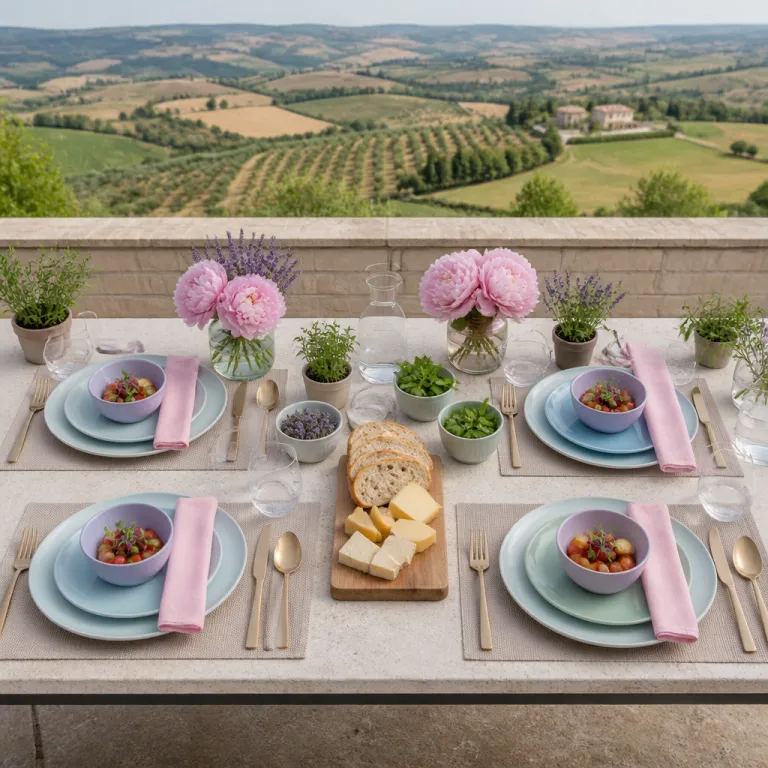
When the farm to table luxury hotel restaurant view becomes an ingredient
Stand at the front door of a true farm to table luxury hotel restaurant view and you feel the story before you taste it. The best hotels now design their dining rooms so that the fields, orchards or vineyards sit in the same frame as your plate, turning the landscape into part of the recipe. This is where a simple farm table, a glass wall and a precise view can matter as much as any Michelin accolade.
At CIELO Restaurant at ADERO Scottsdale in Arizona, the dining room floats above the Sonoran Desert so every table faces a horizon of saguaro and stone, and the farm to table luxury hotel restaurant view is as carefully composed as the menu. Floor to ceiling windows frame Four Peaks and the McDowell Mountains, while the restaurant works with nearby growers and ranchers, then plates that food against a sunset that explains the seasoning better than any menu note ever could. That visual connection changes how couples experience dinner, because the view quietly reminds you that the hotel rooms, the pool and the bar are all guests of the surrounding land.
Across the Atlantic, Osip Restaurant in Bruton, Somerset, sits inside a 16th century inn where the farm to table luxury hotel restaurant view is more hedgerow than high drama, yet no less deliberate. Chef Merlin Labron-Johnson and his team walk from the restaurant through the kitchen garden before service, and guests in the hotel rooms look down on the same beds of brassicas and herbs that will appear at dinner. Over the years this kind of terroir driven dining has shifted from trend to expectation, and couples now ask as often about the farm table and outdoor seating as they do about spa treatments.
How to recognise a true farm to view dining room
A genuine farm to table luxury hotel restaurant view is not just a pretty panorama behind generic food. It is a dining room where the chef can point from your table to the exact slope, garden or bay that shaped the menu, and where the architecture frames that view with the same care as a gallery frames a painting. When you walk in from the lounge or the lounge bar, you should feel that the restaurant and the landscape are in conversation.
Look first at the room itself, because a serious hotel will angle its restaurant so that most tables face the productive land rather than the car park or pool. If the best restaurant seats are the ones where you can trace your dinner back to a visible field, you are in the right place, and the surrounding bars and hotel rooms will usually echo that orientation. Industry commentators on view led dining often argue that a restaurant does not earn any view surcharge unless the menu is equally site specific, and that principle holds when you compare properties on any booking platform.
Then pay attention to how the staff talk about the food and the farms that supply it, because language reveals whether the concept is marketing or muscle. When a server can explain that tonight’s lamb grazed on the hillside you see from your chair, the farm table philosophy becomes tangible and the dining experience gains emotional weight. In some acclaimed properties the chefs table even outshines a dramatic panorama, proving that a restaurant is the view when the cooking, sourcing and storytelling all point back to the surrounding land.
Landscape on the plate: from mountain lodges to lakeside inns
Rustic Grill at The Chatwal Lodge in the Catskills shows how a farm to table luxury hotel restaurant view can feel both rugged and refined. The restaurant opens toward forest and water, with a stone terrace that overlooks the Toronto Reservoir, so couples at dinner watch the light fade over the trees that supplied the smoke for their grilled trout, while the hotel rooms sit tucked just behind the tree line. That alignment between room, restaurant and view turns a simple weekend into a compact immersion in Catskills cuisine culture.
In North Carolina, The Swag uses its high elevation to stage a different kind of farm to table luxury hotel restaurant view, one where the Blue Ridge Mountains become a layered backdrop to traditional Appalachian recipes. Guests walk from their rooms along a short path to a dining room where outdoor seating stretches toward the ridgeline, and the best tables feel almost cantilevered over the valley. The restaurant does not rely on spectacle alone, though, because the kitchen works closely with local farms and artisan producers to keep the food as rooted as the view is expansive.
Further north in Maine, Slate Restaurant at Blair Hill Inn overlooks Moosehead Lake, and here the farm to table luxury hotel restaurant view is all water, sky and the soft geometry of distant hills. Couples arrive through a modest front door, then step into a room where every table faces the lake and the seasonal menu reads like a map of nearby growers and foragers. In Europe, three Michelin starred chefs have collaborated with Venetian palace hotels to create landscape driven haute cuisine where the lagoon shapes both the plates and the pacing of the meal, showing how terroir focused hotel dining can intersect with the highest levels of gastronomy.
The psychology of seeing your food grow while you eat
There is a quiet but powerful shift that happens when a farm to table luxury hotel restaurant view lets you see the origin of your meal. Environmental psychologists have documented how visual proximity to nature can lower stress and heighten attention, and that same effect makes flavors feel more vivid when you can literally see the garden from your room or your chair. Couples often report that a simple salad feels more luxurious when the farm table sits a few metres from the dining terrace.
From a hospitality perspective, this is where the best hotels differentiate themselves, because they understand that the view is not decoration but part of the sensory architecture of dinner. A lounge with a partial view is pleasant, yet a dining room where outdoor seating faces the working vineyard or vegetable beds creates a narrative loop between what you see and what you taste. Over the years many hoteliers have noticed guests lingering longer over dessert in such restaurants, not because the bars close late, but because the fading light over the fields makes time feel slower.
Data from recent industry reports is still evolving, but surveys consistently show that the share of hotels offering farm to table dining remains in the minority while demand for sustainable food experiences has risen by roughly one fifth over the past decade. That growth is not driven only by ethics, but by the emotional satisfaction of eating in a place where the restaurant does not hide its supply chain behind walls. When you can explore the grounds after dinner and recognise ingredients from your plate in the soil beneath your feet, the farm to table luxury hotel restaurant view becomes a memory anchor rather than just a backdrop.
How to book hotel rooms where the restaurant and view truly align
For couples planning a trip, the challenge is separating marketing language from a genuine farm to table luxury hotel restaurant view that will justify the detour. Start by reading beyond the headline claims and looking for concrete details about on site gardens, named partner farms and the orientation of the dining room toward specific natural features. If a property mentions a farm table but never shows it in relation to the landscape, treat that as a gentle warning.
When you compare hotels on a booking site, study the photos of the restaurant, the lounge bar and the hotel rooms with the same care you give to the spa or pool. You want to see that most tables, not just a few, enjoy a clear view of vineyards, fields, forest or sea, and that outdoor seating is positioned to catch both light and landscape rather than the car park. A property that has invested in this alignment will usually highlight it in captions, because the farm to table luxury hotel restaurant view is a core part of its identity rather than a side note.
It also pays to read recent guest reviews, especially those posted a few months ago, to understand whether the restaurant delivers on its promise of local food and strong views. Look for comments that mention specific farms, seasonal menus and the way the room feels at sunset, because these details signal a serious approach to cuisine culture. Architects and hoteliers sometimes publish in depth case studies on cliffside or village style resorts that show how every window was positioned so that the view explains why the hotel exists, and those examples can sharpen your eye when you assess other properties.
What couples should expect from service, bars and the wider experience
Once you have secured a stay with a convincing farm to table luxury hotel restaurant view, the final layer is how the wider property supports that promise. The best restaurant teams will encourage you to explore the grounds before or after dinner, perhaps walking from the lounge through the gardens or down to the vines that framed your meal. This kind of informal tour turns a single dinner into a fuller experience, especially for couples who care about where their food comes from.
Bars and lounges also play a role, because a thoughtful hotel will align its cocktail program with the same fields and orchards that supply the kitchen. A lounge bar with windows over the farm might serve infusions based on herbs you can see outside, while the main bar could highlight local spirits that echo the region’s cuisine culture. Over the years many travelers have encountered properties where the restaurant does not quite match the ambition of the view, and in those cases the disconnect is most obvious when you move between the dining room, the bar and your room.
For couples who return to the same property over several years, one of the quiet pleasures is noticing how the farm to table luxury hotel restaurant view changes with the seasons. A hillside that looked bare months ago might now be striped with new plantings, and the menu will often track those shifts with almost agricultural precision. When a hotel can show you photos of the land from previous years and explain how that evolution shaped both the rooms and the restaurants, you know you are in a place where the view is treated as a living partner rather than a static asset.
Key figures shaping farm to view hotel dining
- Only a minority of hotels worldwide currently offer some form of farm to table dining, according to recent hospitality industry reports, which means these experiences remain a curated niche rather than a mass commodity.
- Demand for sustainable and locally focused dining has increased by around 20 % in multiple culinary trend surveys over the past decade, a rise that aligns with what many hoteliers report anecdotally from couples seeking meaningful food experiences.
- Farm to view properties often operate year round, but their menus can change every few weeks to reflect hyper seasonal produce, so returning guests may find a completely different dinner line up within a single season.
- Many leading farm to table hotel restaurants now work with multiple local farms and artisan producers at once, spreading economic impact across their regions while deepening the sense of place on the plate.
FAQ about farm to view hotel dining
What is farm to table dining in a hotel context ?
Farm to table dining in a hotel means the restaurant emphasises ingredients sourced from nearby farms, gardens or producers rather than distant suppliers. In the strongest examples, guests can see those fields or gardens from the dining room, turning the farm to table luxury hotel restaurant view into part of the experience. This approach supports local agriculture while giving couples fresher, more expressive food.
Why choose a farm to view hotel restaurant for a romantic trip ?
Couples choose these restaurants because the combination of landscape and food creates a deeper sense of place than a standard hotel dinner. Sharing a table that overlooks the land or water that produced your meal can feel both intimate and grounding, especially at sunset. The farm to table luxury hotel restaurant view also encourages slower, more attentive dining, which suits romantic travel.
Are farm to table hotel restaurants always more expensive ?
Prices vary widely, and some farm to table hotel restaurants do charge more because they work with small scale producers and seasonal menus. However, the value often lies in the overall experience, where the view, the room and the food form a coherent whole. Many couples find that paying a little more for a farm to table luxury hotel restaurant view delivers a stronger memory than a generic fine dining room.
Do farm to table hotel restaurants accommodate dietary restrictions ?
Many of these restaurants are well placed to handle dietary needs because they control their supply chain closely and cook from scratch. It is still wise to contact the hotel in advance, ideally a few days before arrival, to discuss specific requirements with the team. That way the kitchen can plan a menu that respects your needs without compromising the farm to table luxury hotel restaurant view experience.
How can I find authentic farm to view hotel restaurants when planning a trip ?
Start by looking for hotels that mention on site gardens, named partner farms and dining rooms oriented toward specific natural features such as vineyards or lakes. Then cross check recent guest reviews for comments about both the food and the view, paying attention to how often people mention the land they can see from their tables. Specialist platforms focused on hotels with views can also help you filter for properties where the farm to table luxury hotel restaurant view is central rather than incidental.