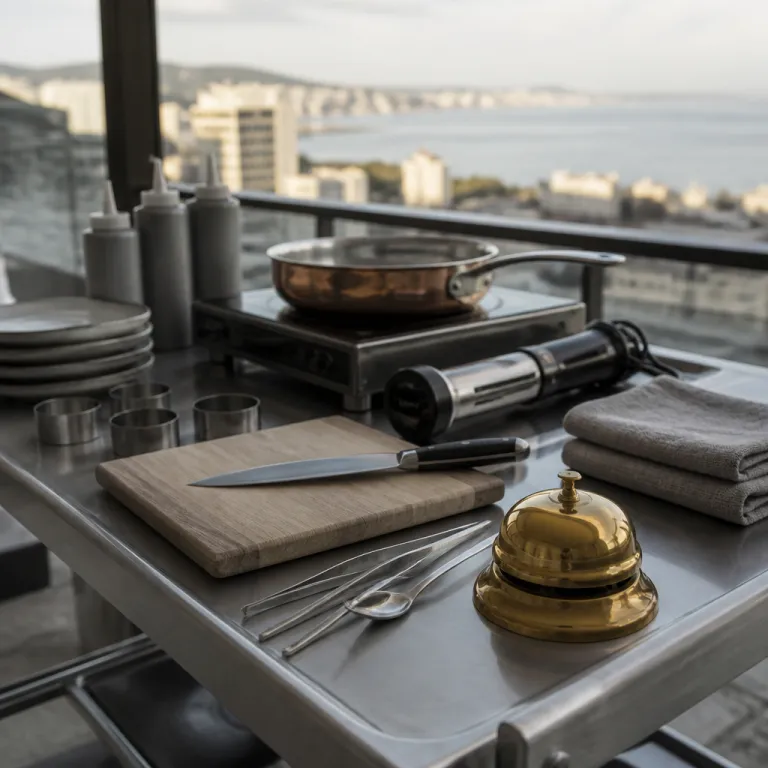
The rise of the hotel chef residency luxury dining programme
Book a room for the skyline, stay because the chef checked in. A new generation of culinary leaders is reshaping how a luxury hotel thinks about food, service and the way its restaurant frames the view for guests. The modern chef-in-residence model has become the quiet power move in global hospitality, turning once predictable hotel dining into a rotating stage for serious cooking.
At its core, a chef residency is a temporary collaboration where a guest chef leads a hotel kitchen for weeks or sometimes several months. At properties such as Four Seasons Hotel George V in Paris or The Connaught in London, visiting chefs now headline seasonal series that regularly sell out, with hotels reporting double-digit increases in restaurant covers during these periods. For travelers who book hotels primarily for the panorama, this shift means the dining experience can be as carefully timed as the sunset itself.
Hotel management teams are handing creative control to Michelin-starred chefs and acclaimed executive chef talents, asking them to design menus that respond to seasons, local producers and the specific light in the room. These visiting culinary programmes often include special chef’s table evenings, where a small group of guests sits almost inside the kitchen, watching teams plate dishes that mirror the landscape outside. The result is a residency-driven luxury format where the restaurant becomes a reason to choose one hotel over another, even when the competing properties share the same postcard-worthy bay.
From hotel led to chef led: who really runs the dining room now
Traditional hotel dining was once defined by food and beverage directors who protected consistency above all. The new wave of chef residencies in luxury hotels inverts that hierarchy, giving chefs the mandate to shape not only the menu but also how the room feels, sounds and even how tables are angled toward the view. In many high-end properties, the guest chef now acts as creative director, while hotel management focuses on operations, reservations and the overall hospitality framework.
In practice, this means a visiting chef can transform a lobby lounge into a destination restaurant for a limited period, with menus that might never be repeated. A Michelin-starred chef may arrive with their own kitchen équipe, collaborate with local teams and reconfigure the chef’s table so that guests face the harbor rather than the pass. The official description captures it clearly: “A temporary program where a guest chef leads a hotel’s dining.”
For travelers, the question is no longer whether the hotel has a good restaurant but which chefs are in residence during their stay. Some programmes now span multiple hotels, or even extend to yacht partnerships, where the same culinary excellence follows guests from city rooftop to open water. If you are planning a trip around serious dining experiences, it is worth reading property-specific guides such as this analysis of hotels where the chef’s table outshines the panorama before you lock in your dates.
Why the view is now part of the menu
In the best chef residencies, the landscape is not background decoration but an ingredient in the dining experience. A thoughtful high-end residency concept will align cooking techniques, pacing and even the length of the tasting menu with the way light moves across the bay or mountains. The chef’s residence becomes a kind of observatory, where chefs and guests watch the same sunset and respond to it through food and wine.
Many luxury hotels now brief their guest chefs on the room’s orientation before any menu is written, so that key courses land as the city lights flicker on or as the last alpine glow fades. When a chef’s table is positioned against floor-to-ceiling glass, the choreography of service matters as much as the seasoning, because guests will remember the moment the dessert arrived just as the moon cleared the horizon. This is where culinary excellence meets architectural intelligence, and where hotel dining finally feels as considered as the suites upstairs.
For travelers comparing hotels with similar views, the smartest move is to evaluate how each property integrates its restaurant into the panorama. Use detailed guides such as this piece on how to choose the best hotel view for a truly memorable stay, then cross-check which chef residencies are scheduled during your preferred seasons. A hotel that treats the window as part of the menu will usually deliver a more layered dining experience than one that simply places tables near glass and hopes the skyline does the work.
How residencies reshape booking patterns and guest expectations
For a certain kind of traveler, the rotating chef programme now matters as much as the room category. Instead of booking purely around weather or school holidays, guests track visiting chefs the way others follow concert tours, timing stays to coincide with a favorite residency or a particularly ambitious series of collaborations. Hotels respond by announcing calendars in advance, creating mini seasons that sit between traditional high and low periods.
This shift has practical implications for how you plan a trip, especially if you are extending business travel into leisure. A city luxury hotel might host a guest chef focused on regenerative agriculture in spring, then pivot to a seafood-driven concept in late summer that pairs perfectly with terrace sunsets. In both cases, the same rooms and the same view feel different, because the food, menus and overall dining experiences are curated around a specific narrative.
On a booking platform dedicated to hotels with views, you will increasingly see filters for chef residencies, chef’s table access and special hotel dining events. Smart management teams now package room, restaurant and bar seating into one experience, sometimes including access to private events or even a session in the kitchen with the executive chef. When you see a spike in rates outside classic peak seasons, it is often because a high-profile guest chef has quietly turned that week into the hottest table in town.
The new front row: bars, small plates and view led social dining
Not every guest wants a three-hour tasting menu after a long flight. The most forward-thinking hotel dining programmes now treat the bar as a parallel stage, with its own cooking style, menus and view-centric seating. For solo travelers or business guests, that bar stool with a skyline sightline can feel like the real chef’s table.
Guest chefs increasingly design bar-specific menus that echo the main restaurant but with more flexible pacing and smaller plates, ideal for those who want a serious dining experience without committing the whole evening. In some luxury hotels, the executive chef and bar team collaborate on food and beverage pairings that reference local seasons, from alpine herbs in early spring to coastal citrus in winter. The result is a set of dining experiences where the same view can be casual on Tuesday, celebratory on Friday and quietly contemplative on a Sunday night.
For meeting-heavy trips, this matters because the bar becomes a pressure release valve that still respects your standards for culinary excellence and hospitality. Properties with strong chef residencies often extend that energy into private lounges and event spaces, a trend you can see in venues such as waterfront hotel meeting and event spaces with elevated services. When you evaluate hotels, look beyond whether there is a restaurant and ask how the visiting chef’s vision shapes every seat that faces the water, skyline or mountains.
How to read a chef residency listing like an insider
When you scroll through a hotel chef residency luxury dining programme description, the language can feel dense. Focus first on who the chef is, whether they are Michelin-starred, an established executive chef or an emerging talent known for a specific style of cooking. Then look at how long the residency will run, because a collaboration that lasts several months usually allows deeper work with the hotel’s kitchen teams and suppliers.
Next, pay attention to how the hotel describes the relationship between the restaurant and the view, especially if you are booking primarily for the panorama. Phrases that reference chef’s table placement, window-facing seating or menus inspired by local seasons suggest the chef’s residence has been designed with the landscape in mind. If the listing mentions regenerative agriculture, local fishermen or mountain producers, you can expect food that feels anchored in place rather than flown in from everywhere.
Finally, check the practical details that will shape your own dining experiences, from whether non-residents can book hotel dining to how far in advance reservations open. Some residencies include special events, masterclasses or collaborative dinners with other chefs, which can be a highlight if your schedule is flexible. When you see clear coordination between hotel management, guest chef and the wider hospitality ecosystem, you are usually looking at a residency-led luxury project that will justify planning your stay around the table as much as the terrace.
FAQ
What is a hotel chef residency in practical terms for guests ?
A hotel chef residency means a guest chef temporarily leads the hotel kitchen, usually for several weeks or months. During that period, the restaurant’s menu, cooking style and overall dining experience reflect the chef’s vision rather than a permanent in-house concept. For guests, it creates a limited-time opportunity to experience a different level of culinary excellence without changing hotels.
Do I need to stay at the hotel to enjoy the chef residency ?
You often do not need to be an overnight guest to book a table during a chef residency, although policies vary by property. Many luxury hotels open their restaurant and chef’s table to external guests, especially when hosting high-profile chefs. It is wise to check directly with the hotel and reserve early, because limited-run dining events can sell out quickly.
How long do chef residencies usually last and when should I book ?
Most chef residencies run for a period ranging from a few weeks to several months, depending on the collaboration. Because dates are fixed and capacity is limited, you should align your room reservation and restaurant booking as soon as the residency calendar is announced. This is especially important in seasons when hotels are already busy with leisure or business travel.
Are chef residencies more expensive than regular hotel dining ?
Pricing for chef residencies varies, but menus can be higher than standard hotel dining because of the chef’s profile, special ingredients and additional staffing. Many hotels balance this with a range of options, from full tasting menus to more accessible bar menus designed by the same chef. If budget matters, consider booking the bar for a curated dining experience with the same view at a lower overall spend.
How can I tell if a chef residency is worth planning a trip around ?
Look for clear information about the chef’s background, the focus of the menu and how the residency connects to the hotel’s setting. Strong projects highlight local producers, thoughtful use of the view and collaboration between the guest chef and permanent kitchen teams. When those elements align, the residency can turn a good hotel stay into a genuinely memorable hospitality experience.