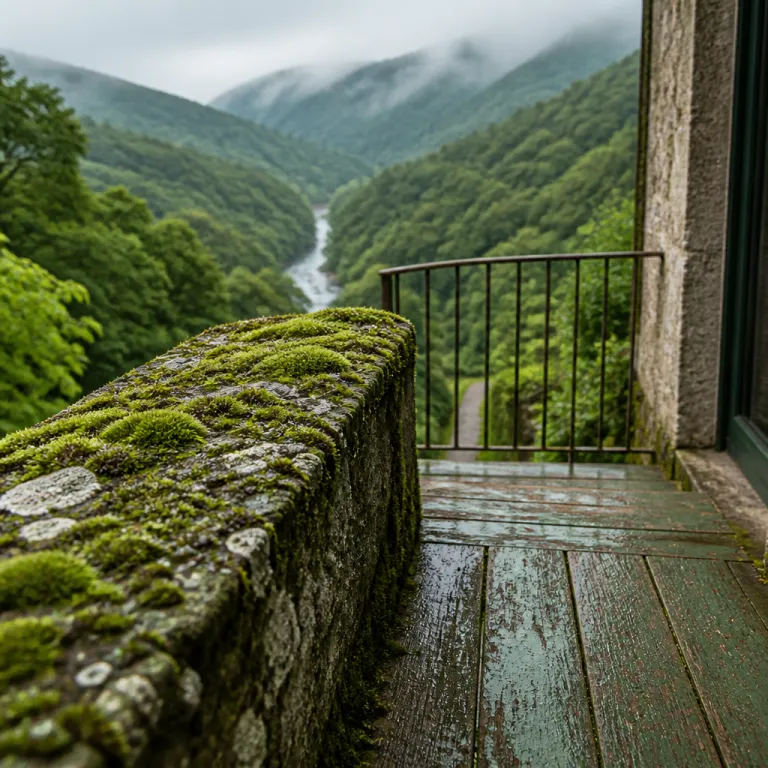
Why hidden horizons now define the hidden luxury hotel destination best views
Secondary destinations have quietly become the most rewarding hidden luxury views for serious panorama hunters. When multiple travel trend reports, including Booking.com’s 2024 Travel Predictions and Skyscanner’s 2023 “Everywhere” report, showed that a clear majority of travelers were actively seeking lesser known spots, it confirmed what view-focused luxury travel insiders already felt. In places where the last streetlight fades quickly, a hotel can frame natural beauty without fighting a crowded skyline.
In these quieter regions, a single lodge or hotel resort often commands the only elevated point above the town, so rooms can offer uninterrupted panoramic views in every direction. That isolation lets architects orient each suite and every picture window toward the exact angle where sunrise or the first night stars feel almost private. This is not the generic upgrade to a better room category, but a deliberate choice of mountain lodge, coastal inn or resort spa where the landscape dictates the design and every horizon feels intentionally composed.
Travelers and local communities form a subtle partnership in these hidden gems, because both sides benefit when the view remains unspoiled. Local residents gain steady income from hotels and resorts that respect the land, while guests gain hotel inspiration from places that still feel unshared. As one repeat guest at a small fjord-side lodge in Norway put it, “I come back for the silence between the waves, not the thread count.” The result is a new kind of luxury, where the favourite amenity is not a chandelier but the quiet between waves or wind, and where the most prized souvenir is a memory of stillness.
How to read a landscape before you book the room
Evaluating a hidden luxury hotel destination best views starts long before you check your dates or enter a credit card. The most reliable method is to study satellite maps and topographic lines, then compare them with the hotel photos to see whether the promised panoramic views are genuinely unobstructed. In secondary destinations, the difference between a life-changing room and a merely pleasant room often comes down to ten metres of elevation and a single line of trees.
Begin with a satellite layer that shows terrain shading and contour lines, then switch to street view or user photos to confirm how the building sits on the slope. Look for hotels where the main structure stands alone above the town or along a protected coastline, because that usually signals long term natural beauty and fewer future constructions. When a hotel resort is bordered by a national park or agricultural land, the horizon is less likely to be interrupted by new resorts, which matters if you plan to return across several seasons and want consistent vistas.
Once you have a shortlist, check where the rooms face, not just whether the property claims a good view. A practical workflow is to email the hotel with specific questions such as, “Which room numbers on the third floor face directly east over the bay without rooflines or parking in the foreground?” or “Are rooms 301–305 above any service areas?” A serious view hotel will answer with precision, because they know exactly which rooms turn a stay into hotel inspiration and which ones are simply convenient inventory.
Islands, coasts and wine valleys where the view still feels like a secret
Some of the strongest candidates for secluded hotel vistas sit on islands and peninsulas that never became headline names. On the Island of Hawaiʻi, for example, smaller lodge-style properties above the lava fields, such as Volcano House overlooking Hawaiʻi Volcanoes National Park, often have a more cinematic view than larger resorts on the crowded beaches. A single room with a wide window toward the ocean and night sky can feel like a private observatory, especially when the nearest town lights are many kilometres away and the Milky Way is clearly visible.
In California wine country, secondary valleys away from the main tasting routes now host hotels and resort spa retreats that quietly rival coastal icons. Properties like Carneros Resort and Spa or smaller hillside inns near Sonoma and Healdsburg show how a handful of rooms can offer private terraces over vineyards, where morning fog lifts slowly and the view stretches from oak forests to distant ridgelines. Because these hotels sit within agricultural community land, the panoramic views are protected by long term planting rather than short term construction, and the landscape changes with each harvest.
Across the Atlantic, the Amalfi Coast still draws crowds, yet some of the most rewarding hidden gems lie in the lesser known towns just beyond its famous curves. A small hotel resort perched above a working fishing town near Praiano or Cetara can frame the same cliffs and white sand coves without the constant traffic below. For solo travelers, these places often become a favourite base, because the view from the room feels earned rather than staged for social media and the harbour lights replace neon signs.
When the island is the view: private horizons from Maine to the far north
Not every secluded luxury view requires a long haul flight to a tropical private island. Along the quieter stretches of the Maine coast, for example, a simple lodge on a forested islet can deliver a view that rivals more famous resorts. Properties like Chebeague Island Inn or small family-run inns in Penobscot Bay often appear in articles on Maine honeymoon escapes with unforgettable coastal views, which highlight how a single room with three windows over the water can feel more luxurious than a larger resort spa with limited sightlines.
True private island stays work best when the hotel limits rooms and keeps the shoreline mostly wild, so that every room faces either sunrise or sunset without competition. In these settings, white sand is not raked into perfection but left slightly irregular, and the night sky becomes the main spectacle once the generator hum fades. Guests often describe the experience as stepping into a series of living rooms shaped by the landscape, where each window frames a different chapter of the same horizon and every tide shift rewrites the scene.
Farther north, lodges built for viewing the northern lights show how secondary destinations can outshine famous capitals for pure spectacle. A remote view hotel near a national park in Scandinavia or Canada may offer only a handful of rooms, yet each one is angled precisely for aurora viewing rather than city skylines. Examples include Arctic TreeHouse Hotel in Finnish Lapland or Fogo Island Inn off Newfoundland, where architecture and astronomy work together. For solo luxury travel, these properties offer a rare mix of privacy, community dinners and shared anticipation whenever the forecast suggests a strong display.
Slow travel, real nights and the quiet power of staying put
The slow travel movement has reshaped what hidden luxury views mean for many independent travelers. Instead of racing between multiple hotels, more guests now choose one resort or lodge and stay long enough to understand how the light changes across several nights. This approach aligns with sustainable tourism goals, because it reduces transfers, supports local communities and deepens the relationship between guest and place while keeping the landscape at the centre of the experience.
Detour destinations, defined as lesser known spots offering rich local experiences, have become central to this shift, and they reward patience. Why choose lesser known destinations? To avoid crowds and discover authentic cultures. How to find hidden gems? Research, consult local guides, and use travel blogs and recent guest reviews to identify places where the scenery, not the shopping, is the main attraction. Reports from organizations such as the World Travel & Tourism Council in 2023 also note that travelers who stay longer in one place tend to spend more locally and tread more lightly.
For the solo explorer, this slower rhythm brings practical advantages when booking hotels and resorts in secondary destinations. With less pressure on peak dates, you can often negotiate for your favourite room, secure better hotel offers or arrange access to a private spa session at the hotel spa. Over several days, the staff begin to treat you as part of the community, sharing tips on the best night walks, the quietest viewpoints and the local Michelin-starred restaurant or family-run bistro that pairs perfectly with your chosen view, turning a simple stay into a layered story.
How to choose your next view led stay without missing the icons
There is a fair counter argument to the hidden luxury hotel destination best views philosophy, because famous destinations are famous for a reason. Some hotel resort properties in iconic cities or along the Amalfi Coast genuinely offer world class panoramic views that no secondary town can replicate. The key is not to reject these places outright, but to understand when the view is truly transformative and when it is simply a familiar postcard that you have seen many times before.
A balanced strategy is to pair one major destination with one or two hidden gems in the same region, using the quieter stays to reset your senses. In practice, that might mean two nights in a landmark view hotel above a historic town, followed by four nights at a seasons resort style lodge near a national park or wine country valley. The contrast between the known skyline and the unshared horizon often makes both experiences richer, because you see how light and silence change your perception of luxury and how your own pace shifts.
When you plan, check not only the star rating and spa facilities, but also the story each property tells through its rooms and surroundings. Ask whether the resort spa or hotel spa was designed around an existing landscape feature, such as an old oak, a rock outcrop or a natural hot spring, because that usually signals deeper respect for the setting. Over time, these are the stays that linger in memory, where the favourite detail is not the thread count but the way the night breeze moved through the curtains while you watched the view in complete quiet and felt briefly alone with the horizon.
FAQ
What makes a secondary destination better for hotel views than a major city ?
Secondary destinations usually have lower building density, so hotels can occupy the best vantage points without competing for skyline space. This often means rooms with wider panoramic views over natural beauty rather than partial glimpses between towers. Protected land, such as agricultural zones or national park borders, also helps keep those horizons open for future stays and encourages long term planning around the landscape.
How can I check whether a hotel really has the view it advertises ?
Start by comparing the hotel photos with satellite maps to see the building position and surrounding development. Look for images taken from inside the room, not just from shared terraces or the resort spa pool deck. When in doubt, email the property and ask which specific room numbers have the clearest view and whether any planned construction might affect it, then cross-check with recent guest photos for extra reassurance.
Are hidden gem destinations safe for solo travelers booking luxury stays ?
Most secondary destinations that support established hotels and resorts have a stable tourism infrastructure and a strong local community presence. Solo travelers should still follow standard safety practices, such as sharing itineraries, arranging transfers through the hotel and checking recent guest reviews. Many lodges and hotel resort properties in these areas offer hosted dinners or small group activities, which create a sense of connection without sacrificing privacy.
How long should I stay in one place to benefit from slow travel ?
A minimum of three nights in the same hotel allows you to experience different light conditions and daily rhythms. Stays of five to seven nights are ideal for luxury travel focused on views, because you can watch how the landscape changes with weather and tide. Longer visits also give more time to engage with local communities and explore nearby hidden gems without rushing, which many sustainability studies now recommend.
Do I need to sacrifice spa facilities or fine dining to stay in a remote view hotel ?
Many remote properties now combine strong wellness programs and resort spa facilities with serious culinary ambition, including Michelin-starred level kitchens in some regions. You may find fewer restaurant options in the immediate town, but the on site offering is often carefully curated. When booking, check whether the hotel spa, dining room and even lounge-style common areas share the same quality of view as the guest rooms, so every part of the stay feels coherent and the scenery remains the quiet centrepiece.