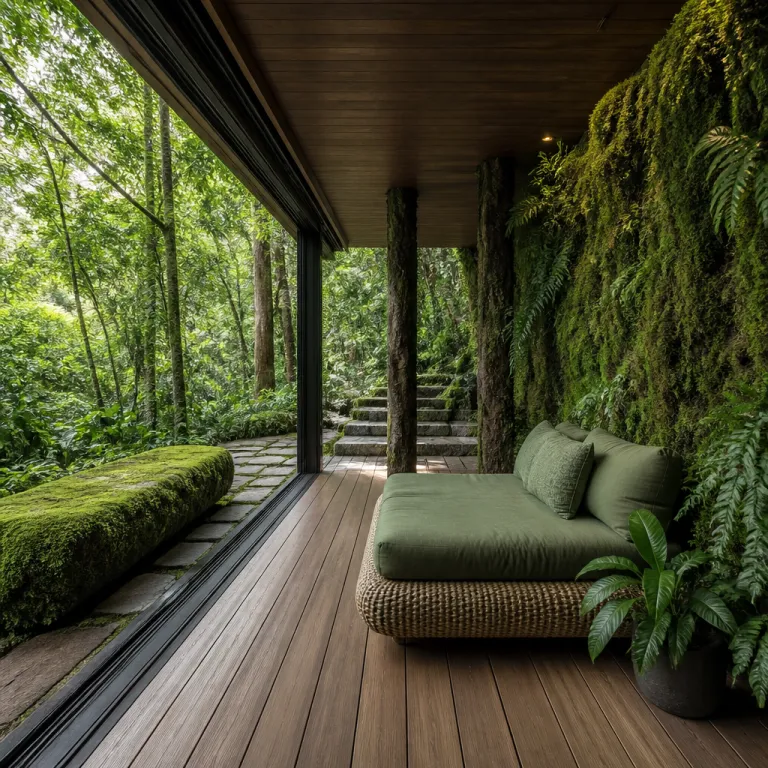
From view as backdrop to view as architecture
The most compelling biophilic hotel design that celebrates nature and landscape views starts long before you reach the room. Architects and hotel owners now treat the entire design process as a way to remove barriers between interior space and the surrounding environment, so the building itself becomes a quiet frame for the landscape rather than a distraction from it. When you arrive at a luxury hotel that has embraced biophilic thinking at scale, you feel the presence of nature in the lobby air, in the filtered light, and in the way every corridor bends toward a horizon line.
Biophilic design means integrating natural elements into built environments, not just decorating with plants. That definition matters for travelers choosing a hotel, because a true biophilic experience will shape your health, sleep quality, and emotional state as much as the thread count or minibar ever could. When you compare hotels and resorts, look for architecture that uses outdoor space as a structural ingredient — open air walkways, courtyards, and terraces that create a continuous connection with nature rather than a single postcard window.
Urban environments are where this shift feels most radical. A city hotel that treats biophilia as a design principle can carve out green spaces and quiet nature living pockets above the traffic, using green walls, rooftop gardens, and internal courtyards to restore a visual connection with trees and sky. Properties such as PARKROYAL COLLECTION Pickering in Singapore or 1 Hotel Brooklyn Bridge in New York show how stacked sky gardens and planted terraces can turn dense districts into vertical parks that guests actually inhabit.
Architects, interior designers, and sustainability consultants now collaborate closely with hotel owners to merge architecture with nature. Their shared goal is to reconnect guests with the outdoors, promote mental health, and enhance environmental sustainability through every material choice and every opening in the façade. When you book, you are effectively choosing which team of experts you trust to curate your guest experience of light, air, and landscape for the duration of your stay.
How biophilic hotels choreograph the view from bed to horizon
In a serious biophilic hotel design project focused on nature and landscape views, the window is only the starting point. The best hospitality design teams think in sequences, planning how your eye will travel from the bed to the balcony, then out across the water or forest, and finally up into the sky. That choreography of visual connection is what separates a room with a nice outlook from a space where the building seems to dissolve into the environment.
Floor to ceiling glass helps, but biophilic architecture goes further by designing transitions. You might step from a shaded bedroom into a semi open lounge, then onto a terrace where the glass panels slide away completely, creating a nature space that feels like an outdoor living room. In these hotels and resorts, patterns of movement and biophilic circulation in the layout guide you gently toward the landscape, so the connection with nature feels inevitable rather than staged.
Biophilia design also considers how couples actually use the room. A bathroom that opens to the sky, a freestanding tub angled toward a mountain ridge, or a shower screened by green walls can turn everyday rituals into a shared biophilic experience. At properties like Six Senses Douro Valley in Portugal or Nayara Springs in Costa Rica, outdoor showers, soaking tubs, and open pavilions are oriented so that every daily routine becomes a moment of immersion in vines, mist, and distant hills.
For travelers who love strong interiors as much as sweeping views, some properties prove that bold hospitality design can coexist with a deep connection to nature. One useful reference is the analysis of view led interiors in this guide to interiors that refuse to disappear in view hotels, which shows how colour, texture, and carefully scaled furniture can frame the landscape without overpowering it. When you evaluate a hotel, ask whether the interior supports the view or competes with it, because that balance will define your guest experience every time you open the curtains.
Materials, light, and the quiet technology of biophilic comfort
Biophilic hotel design that foregrounds nature and landscape views starts with materials that feel honest under your hands. Natural stone, warm timber, woven fibres, and clay based finishes create a tactile connection with nature that complements the visual connection through the windows. When these textures are paired with soft, indirect lighting and carefully controlled reflections, the room becomes a calm envelope where your nervous system can finally slow down.
Biophilic design is not about filling every corner with plants; it is about using biophilia as a framework for how the whole environment behaves. Natural ventilation that carries the scent of a garden, acoustic treatments that let you hear the ocean but not the corridor, and water inspired features that cool the air all contribute to a healthier space. A frequently cited synthesis by Terrapin Bright Green notes that access to daylight and views can improve reported well being by up to 15%, while the Human Spaces report found that employees in biophilic workplaces were 6% more productive and 15% more creative — patterns that hospitality designers now translate into guest rooms and suites.
Technology in these rooms is deliberately discreet. Smart controls are hidden within natural materials, allowing the lighting, temperature, and blinds to adjust automatically while the surfaces remain calm and tactile. When done well, this creates a biophilic experience where the presence of nature is foregrounded and the devices recede, so the guest experience feels organic even as the systems work quietly in the background.
Some of the most convincing examples come from properties that treat local context as a design resource. Hyper local sourcing, as explored in the analysis of why hotels that source locally build better rooms, ensures that wood, stone, and textiles feel locally appropriate rather than generic. When you choose a hotel that respects its environment in this way, you are more likely to feel that the room belongs to its landscape instead of floating above it.
Green walls, rooftop gardens, and the vertical nature of city stays
In dense urban environments, the most ambitious biophilic hotel design and landscape view projects work vertically. Green walls climb façades and atrium cores, turning blank surfaces into living canvases that filter air and soften acoustics. Rooftop gardens transform unused roofs into elevated parks, giving guests a nature space where they can feel the wind and watch the city lights without leaving the property.
These interventions are not cosmetic. When hotels adopt green roofs, plant intensive terraces, and natural ventilation strategies, they reduce heat gain, improve insulation, and create microclimates that feel several degrees cooler than the surrounding streets. For guests, the result is a biophilic experience where stepping out of the elevator feels like entering a different environment, one tuned for rest and reflection rather than speed.
Vertical biophilia also reshapes how views are framed. A room that looks across a bright green courtyard or a terraced garden can feel as restorative as one facing open countryside, especially when the architecture creates layered sightlines from bed to foliage to sky. In this context, biophilic patterns in planting design — varied leaf shapes, shifting light, and seasonal colour — become as important as the skyline itself.
Travelers considering a city hotel should look for evidence that the property treats nature living as infrastructure, not as decoration. Ask whether there are accessible rooftop gardens, whether internal green walls are irrigated and maintained properly, and whether the building uses reclaimed materials or natural ventilation where the climate allows it. A simple checklist — green roofs, usable terraces, planted courtyards, and generous daylight in corridors — can quickly reveal whether the connection with nature is part of the everyday guest experience rather than a marketing promise that fades after check in.
Water, horizons, and the romance of dissolving edges
For couples, the most memorable biophilic hotel design and nature view moments often involve water. An infinity pool that seems to merge with the ocean, a riverside deck where the tide brushes the pilings, or a hillside hot tub angled toward a distant lake can all create a powerful connection with nature. These are the places where the boundary between architecture and landscape feels thinnest, and where the environment does most of the romantic work.
Some of the most striking examples appear in coastal and rainforest resorts, from the Pacific to destinations such as Costa Rica. There, hotels and resorts use open air corridors, stilted pavilions, and low impact architecture to float rooms above the canopy, giving guests a continuous visual connection with waves, clouds, and treetops. When the design process respects the local environment, the presence of nature is not a backdrop but a constant companion, from morning mist to evening storms.
Water focused properties also highlight how biophilia can extend beyond the shoreline. Floating hotels and sailing residences, explored in depth in this guide to water based stays, show how architecture can move with the landscape while still offering a refined hospitality design language. In these settings, the guest experience is shaped by shifting horizons, changing light, and the gentle motion of the structure itself.
When you evaluate a romantic stay, pay attention to how the hotel handles edges. Does the terrace railing interrupt the view, or does the pool lip align perfectly with the horizon line so that your eye slides straight into the distance? That level of visual connection, supported by thoughtful biophilia design and a respect for the surrounding environment, will often matter more to your stay than any decorative flourish.
How to choose a biophilic view hotel that genuinely supports well being
Choosing a biophilic hotel design that celebrates nature and landscape views starts with asking the right questions. Look beyond the marketing images and study how the architecture uses space, light, and materials to create a sustained connection with nature. A hotel that has truly embraced biophilic design will show it in floor plans, not just in lobby photographs.
Start with the basics of biophilia. Ask whether the hotel maximises natural light, uses sustainable building materials, and integrates indoor plants in a way that feels locally appropriate rather than generic. Properties that treat biophilia design as a core hospitality strategy often report measurable gains in guest satisfaction and repeat visits, echoing broader industry research that links daylight, views, and natural materials with improved comfort, mood, and perceived value.
Next, consider how the property handles scale and privacy. Couples tend to value spaces where they can feel alone with the landscape, whether that means a small terrace with a strong visual connection to a single tree or a large deck facing an open bay. Silent pods for rest, shaded daybeds, and carefully oriented loungers all contribute to a guest experience where the environment supports intimacy without feeling staged.
Finally, remember that biophilic design is a long term trend, not a passing aesthetic. Over the past decade, hotel brands, architects, and investors have steadily increased the number of projects that prioritise green spaces, natural materials, and strong visual links to the outdoors, driven by both guest demand and sustainability targets. When you choose hotels with nature living elements and a clear commitment to the surrounding environment, you are not only improving your own stay; you are also supporting a hospitality model that treats the landscape as a partner rather than a prop.
FAQ
What is biophilic design in hotels?
Biophilic design in hotels means integrating natural elements into the architecture and interiors so that guests feel a continuous connection with nature. This can include natural materials, abundant daylight, green walls, rooftop gardens, and layouts that blur the boundary between indoor and outdoor spaces. The aim is to support health, reduce stress, and make the guest experience more restorative.
Why are more hotels adopting biophilic principles?
Hotels are adopting biophilic principles because they improve guest well being, strengthen sustainability performance, and create more distinctive properties in crowded markets. Industry reports and design research highlight growing demand for greener, healthier buildings, and biophilic strategies offer a practical way to respond. For travelers, this means more options where the environment is designed to feel calm, healthy, and visually connected to the surrounding landscape.
How can I tell if a hotel offers a genuine biophilic experience?
A genuine biophilic experience goes beyond a few potted plants in the lobby. Look for evidence of natural ventilation, extensive use of local materials, meaningful green spaces such as courtyards or rooftop gardens, and room layouts that prioritise views and daylight. If the building seems to frame the landscape from multiple angles and offers quiet, comfortable spaces where you can feel the presence of nature, it is likely applying biophilic design seriously.
Do biophilic hotels cost more to stay in?
Many biophilic hotels position themselves in the luxury or premium segment and may charge higher nightly rates. However, these properties often justify the pricing through improved comfort, better air and light quality, and more memorable views that enhance the overall value of the stay. For couples planning a special trip, the added cost can translate into a more restorative and emotionally resonant experience.
Are biophilic hotels only found in remote or resort locations?
Biophilic hotels are increasingly common in both remote resorts and dense urban environments. In cities, architects use green walls, internal courtyards, and rooftop gardens to create nature spaces above the streets, while in coastal or forest settings the buildings often open directly to the surrounding landscape. Travelers can now find biophilic options across a wide range of destinations, from rainforest lodges to skyline view properties.