Why the historic building converted luxury hotel is redefining high end travel
A historic building converted luxury hotel changes how you feel the moment you step inside. You are not just checking into another hotel ; you are walking into layered history where stone, iron, and timber still remember a previous life. For view focused travelers, these historic buildings often occupy the most strategic corner of a city, chosen long ago for power, security, or spectacle.
Across the united states and Europe, former prisons, palaces, and civic buildings now operate as luxury hotels that keep their original bones while upgrading every comfort. This is adaptive reuse in its purest form, where architects apply meticulous research to preserve façades, courtyards, and staircases, then thread in discreet lighting, glazing, and spa facilities. The result is a collection of historic hotels and contemporary hotels resorts that feel genuinely special rather than themed.
Data from recent hospitality reports shows that the average occupancy rate of converted hotels reaches 85 percent, which is significantly higher than many new build properties in comparable locations. That appetite is strongest among independent travelers who want a luxury hotel with a story, not just a five star badge. For them, the most valuable amenity is often the framed view that explains why the historic building was placed there in the first place.
The Liberty Hotel in Boston, for example, occupies the former Charles Street Jail, a granite building that once symbolized civic order and now offers skyline views over the Charles River. In Istanbul, Four Seasons Hotel Istanbul at Sultanahmet transformed an Ottoman era prison into a five star courtyard retreat, where the view from the roof terrace takes in domes and minarets rather than guard towers. Malmaison Oxford in the united kingdom turned a Victorian prison into a characterful city hotel, its thick walls now insulating guests from the student nightlife outside.
These properties illustrate why the most exciting openings are rarely a generic city spa resort on reclaimed land. They show how adaptive reuse can turn institutional corridors into atmospheric galleries, and former cells into suites where the window placement dictates the bed position and the morning light. For travelers comparing options on a booking platform, the question becomes simple ; does this luxury hotel use its history and its view to transform the stay, or is it just another address with a nice photo.
From prisons to palaces: how adaptive reuse creates unexpected views
Conversion architecture differs from a standard renovation because the original building was never meant to be a hotel. Ceiling heights vary wildly, windows sit at odd levels, and circulation follows the logic of a courthouse, cinema, or penitentiary rather than a five star corridor. Those constraints, when handled by a skilled design équipe, generate the kind of spatial surprises that purpose built hotels rarely offer.
Take the forthcoming Hoshinoya Nara Prison project in Japan, where 48 suites are being carved from merged cells in a Meiji era red brick complex. Century old masonry, once designed for control, now frames quiet garden views and long sightlines to the surrounding hills, proving how adaptive reuse can soften even the most institutional plan. Guests will move through former exercise yards that now function as contemplative courtyards, reading the history of the place in every brick and shadow.
In San Sebastián, Hotel Palacio Bellas Artes is reshaping a 1914 cinema into a luxury hotel where theatrical heritage informs every design decision. Velvet walls, rose toned drapery, and restored plasterwork turn former balconies into layered viewing platforms over the city and the bay. Here, the best room is not necessarily the largest suite but the one where a curved window still follows the arc of the original auditorium.
Across Asia and Europe, similar projects echo the logic of Kyoto’s new view focused hotels, where architects choreograph sightlines as carefully as service rituals. Properties that understand this, from a converted palace in the united kingdom to a hillside retreat in cape town, treat every opening in the façade as a lens rather than a simple window. If you care about how a room frames sunrise or the blue hour, it is worth reading in depth guides to view centric stays, such as a specialist analysis of why the view is becoming the most expensive amenity in luxury hotels.
For travelers, the practical takeaway is clear ; when you browse historic hotels or hotels america on a booking site, study the floor plans and elevation photos as closely as the spa menu. Ask where the building faces, how many rooms share that signature view, and whether the most historic places within the property are accessible to overnight guests. The most rewarding historic building converted luxury hotel will let you inhabit those spaces, not just glimpse them on a guided tour.
The tension between preservation, comfort, and five star expectations
Every historic building converted luxury hotel sits on a fault line between preservation and comfort. Heritage authorities want original staircases, ironwork, and façades untouched, while guests expect silent air conditioning, high pressure showers, and generous meeting space. The best projects accept this tension and use design to reconcile it rather than hiding the compromises.
Architects working on historic buildings often start by mapping which structural elements are non negotiable, then layering services into the gaps. Thick prison walls might conceal cabling and climate systems, while former projection rooms in an old cinema become intimate spa treatment suites. In palatial conversions, grand halls that once hosted state receptions now serve as flexible meeting space for private events, still framed by frescoes and chandeliers.
On the guest side, expectations have shifted toward narrative rich luxury hotels that feel specific to their city and their past. A lakeside villa on Lake Como, for example, can become a contemporary retreat with a floating pool and a view of Bellagio without erasing its original proportions or frescoed ceilings. That same logic applies in cape town or london united, where a palace or warehouse conversion succeeds when the new spa resort, bar, and rooms feel like a respectful continuation of the building’s story.
View obsessed travelers should pay attention to how these compromises affect the panorama they are paying for. A new glass elevator might offer a thrilling vertical view through a former light well, while added balconies could disrupt the clean lines of a historic façade. When comparing options, ask whether the design choices enhance the way you experience the city outside, or simply add more five star gloss inside.
From an operational perspective, these conversions also require guests to apply a slightly different mindset. You may accept a few steps instead of a ramp, or a slightly smaller bathroom, in exchange for a vaulted ceiling and a window that frames a cathedral dome. If that trade off feels right, then a historic building converted luxury hotel will likely suit your travel style better than a standardized new build tower.
What luxury guests really want from historic hotels with views
When travelers choose a historic building converted luxury hotel over a new tower, they are voting for narrative and place. They want a hotel that offers more than a polished lobby ; they want history they can feel underfoot and see from the window. The view becomes a form of storytelling, connecting the building’s past life to the contemporary city outside.
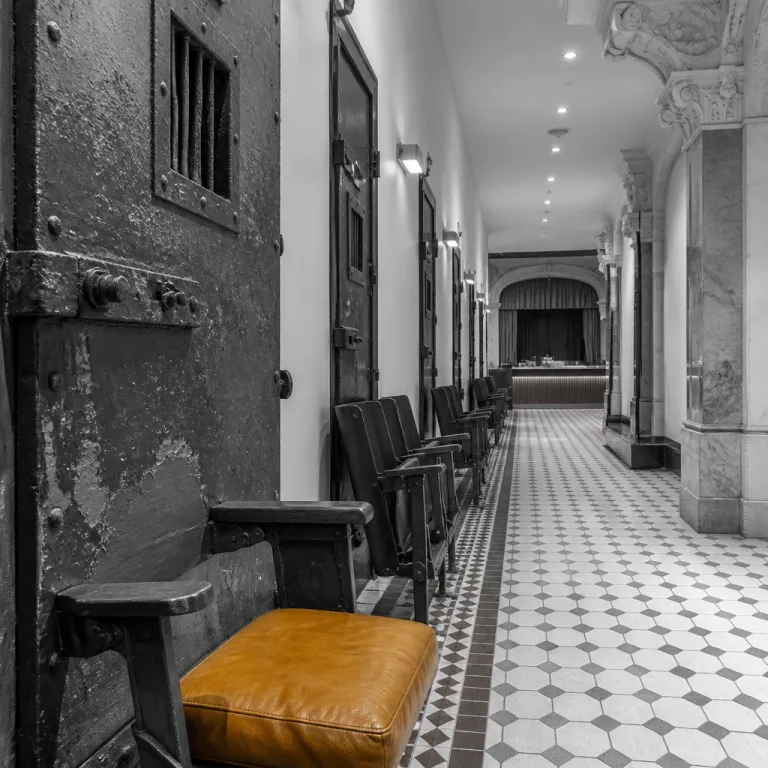
In the united states, the Liberty Hotel shows how a former jail can become a social hub where guests sip cocktails in what used to be the central rotunda, glancing up at catwalks that once carried guards. In Istanbul, Four Seasons Hotel Istanbul at Sultanahmet turns former exercise yards into cloistered gardens, where the view of Hagia Sophia and the Blue Mosque reframes the prison narrative into something contemplative. Malmaison Oxford, by contrast, leans into its history with preserved cell doors and narrow corridors, yet softens the experience with warm lighting and plush bedding.
Across these examples, the common thread is a desire for authenticity rather than themed décor. Guests are increasingly wary of any property that markets itself as a generic boutique hotel without meaningful ties to its surroundings or its architecture. They prefer historic hotels and leading hotels that can point to specific details, from original stonework to archival photos, and explain how those elements shaped the current design.
For booking platforms focused on hotels with views, this shift has practical implications. Filter systems need to go beyond star ratings and spa icons to highlight which historic buildings offer signature vistas, such as a former courthouse overlooking a river bend or a palace terrace facing a mountain range. Curated content, including verified photo courtesy galleries and concise history notes, helps travelers understand why one city view is worth a premium while another is just a wide window.
As you compare hotels america, hotels in the united kingdom, or palace conversions in cape town, pay attention to how each property talks about its outlook. Do they describe the exact angle of sunrise, the way evening light hits a dome, or the seasonal changes in the landscape. Those are the clues that a historic building converted luxury hotel truly understands that its most valuable amenity is the view that makes sense of its past.
How to choose and book your own historic building converted luxury hotel
Selecting the right historic building converted luxury hotel starts long before you arrive at the front desk. Begin by deciding what kind of past life intrigues you most, whether that is a former prison, cinema, palace, or civic landmark. Then match that preference to the city you plan to visit, considering how the building’s original role shaped its location and its view.
On a booking site, filter for historic hotels, hotels resorts, or leading hotels that clearly state their heritage and show detailed floor plans. Look for properties affiliated with respected collections, such as a forte hotel group, a rocco forte family property, or a collection Hilton conversion, because these brands usually apply rigorous preservation and service standards. When you find a candidate, read guest reviews that mention specific rooms, wings, or floors with standout views rather than generic praise.
Before you confirm, send a concise email to the reservations équipe asking three targeted questions. First, which room categories sit in the oldest part of the historic building, and how many of those rooms face the key landmark or landscape. Second, whether any meeting space, spa areas, or rooftop terraces are open to overnight guests outside event times, since these often hold the best vantage points.
Third, request a recent photo courtesy of the exact room type you are considering, ideally taken from the window during daylight. This simple step helps you verify that the promised city view or courtyard outlook matches your expectations, especially in complex historic buildings with varied orientations. When properties respond quickly and transparently, it is a strong signal that they respect both their history and their guests.
Finally, remember the core advice that applies to any adaptive reuse stay ; book in advance, explore the building's history, enjoy unique amenities. These three steps matter even more when occupancy rates for converted properties can reach 85 percent, leaving little last minute availability. If you approach the process with curiosity and a clear sense of what view and story you want, your chosen historic building converted luxury hotel will feel less like a room for the night and more like a temporary home inside a living monument.
FAQ
What are some famous hotels that were once prisons ?
Some of the best known examples include the Liberty Hotel in Boston, Four Seasons Hotel Istanbul at Sultanahmet, and Malmaison Oxford in the united kingdom. Each of these historic hotels occupies a former jail or prison complex that has been carefully transformed into a luxury hotel. They show how adaptive reuse can preserve history while delivering contemporary comfort and memorable views.
Why convert prisons and other institutional buildings into hotels ?
Developers and architects convert prisons, cinemas, and palaces into hotels to preserve cultural heritage while giving the buildings a viable new use. This adaptive reuse approach often boosts tourism, because travelers are drawn to historic places that offer a strong narrative and distinctive design. It also aligns with sustainability goals by reducing demolition and making use of existing structures.
Are historic building conversions safe and comfortable to stay in ?
Yes, reputable conversions must meet modern safety codes for fire protection, accessibility, and structural integrity before opening as hotels. Inside, designers integrate contemporary comforts such as climate control, sound insulation, and spa facilities while retaining key historic details. When you book, you can expect the same safety standards as in a new build five star property, with the added benefit of character and history.
How can I tell if a historic hotel really values its views ?
A serious view focused property will describe specific outlooks in its room descriptions, not just mention a generic city view. Look for floor plans, terrace photos, and clear explanations of which categories face landmarks, water, or gardens. If in doubt, email the hotel to ask for a recent photo from the exact room type you are considering.
Is it worth paying more for a room in the oldest part of the building ?
For many travelers, rooms in the oldest wing offer the richest sense of place, with original proportions, materials, and often the most meaningful views. However, they may come with quirks such as uneven floors or slightly smaller bathrooms compared with newer annexes. Decide whether you value historic character and a unique outlook more than absolute uniformity, then choose the room category that best matches your priorities.