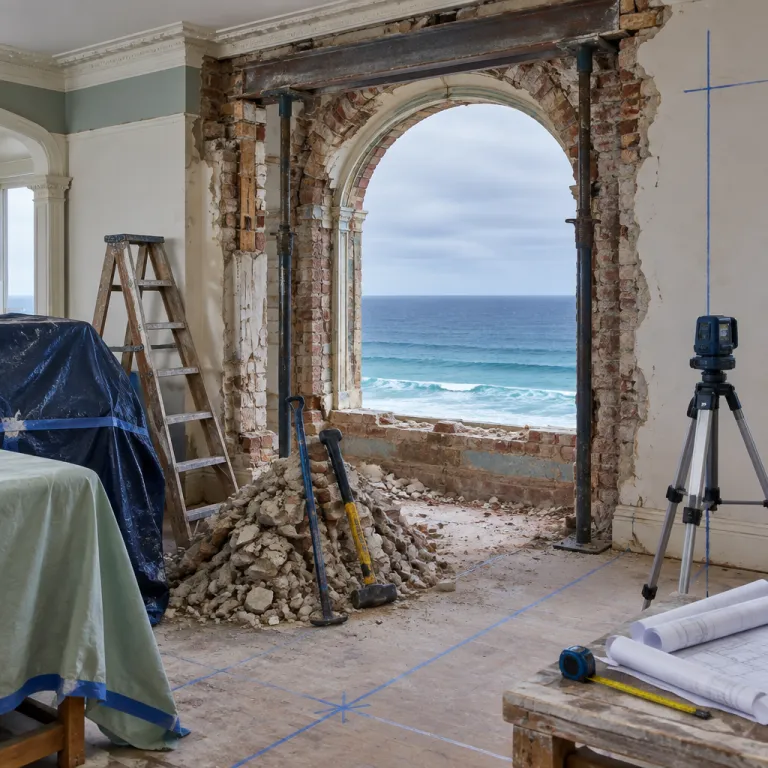
How heritage hotel renovation turns light and view into the brief
When an architect walks into a heritage hotel conversion, the first instinct is to look for the light rather than the lobby. The most experienced hotel heritage specialists scan every corridor and stairwell to understand how the building once framed the city and landscape, because the true luxury for future guests is often the restored view rather than a new spa. In the best heritage hotels, the renovation brief quietly shifts from maximising rooms to revealing the original architecture that already knew where the panorama should be.
This is where heritage hotel renovation view architecture becomes a discipline of restraint. You cannot always punch new openings into historic hotel buildings, so the design team studies how previous projects handled blocked arches, bricked windows and awkward partitions that killed the original sightlines. The most successful luxury hotels treat each guest room as a calibrated viewing device, using contemporary design to guide the eye back to the place that made the building historic in the first place.
For travellers choosing a luxury hotel online, this nuance rarely appears in the marketing copy. Yet the difference between a hotel that simply has windows and hotels heritage that have been planned around their views is profound, because it shapes every moment of your stay. When you understand how much planning and preservation went into that single framed view from your rooms and suites, you start to experience heritage as something alive rather than a static backdrop.
Listed façades, stubborn windows and the quiet art of reframing
In many European and North American cities, listed building regulations dictate what you can and cannot touch on a historic façade. For heritage hotel renovation view architecture, that often means the architect must respect building proportions and window rhythms that were never designed for contemporary hotel layouts. You may want floor to ceiling glass in your guest room, but the preservation authority wants the original sash window exactly where it has always been.
Instead of fighting, the smartest luxury hotels work inside these constraints. They remove later partitions that sliced through tall windows, they lower bulky radiators, and they redesign rooms and suites so that the bed finally faces the view rather than the television. At Villa San Michele in Florence, the recent renovation of the former monastery respected the original architecture of the façade while reconfiguring interiors so more rooms now look directly over the city and the Arno valley, a masterclass in how contemporary design can reveal a historic panorama without breaking a single stone.
For travellers, this means that a modest looking window in a heritage hotel can deliver a more powerful experience than a vast glass wall in a modern tower. When you book a luxury hotel in a protected building, ask how the renovation handled windows and sightlines, not just how many square metres the guest room offers. Properties that speak openly about preservation constraints usually show the same respect for the original building in their planning, which is a strong signal that your experience of heritage will feel intentional rather than accidental.
Revealing a view versus creating one in a historic shell
There is a crucial difference between revealing a view that already exists and creating one from scratch inside hotel buildings. In many heritage hotels, the best panoramas are hiding behind decades of ad hoc renovation, where service corridors, dropped ceilings and storage rooms have crept across the façade. Heritage hotel renovation view architecture starts by stripping away these layers to respect original alignments, often uncovering arches and windows that once framed the city or river perfectly.
Fairmont Chateau Laurier in Ottawa offers a clear example of this approach. The renovation programme updates guest rooms and public spaces while preserving the château style silhouette that anchors the skyline, and the design work focuses on reinforcing the emotional connection between guests and the view over Parliament Hill, the Ottawa River and the Rideau Canal. Rather than engineering new openings, the project refines existing ones so that the experience of heritage feels continuous from lobby to guest room, a strategy that aligns closely with the principles explored in analyses of historic hotels with modern views.
Creating a new view inside a protected building is rarer and more complex. Architects must work with conservation officers, structural engineers and other key figures to justify every cut in the masonry, proving that the long term value for the hotel heritage and the city outweighs the intervention. As a traveller, when you see a contemporary design gesture such as a new opening or terrace in a historic place, you are often looking at years of negotiation and planning that quietly raised the renovation cost far beyond what a new build would require.
Why heritage views feel different from glass tower panoramas
Stand at the window of a high floor room in a modern tower and you get scale, but often not story. Stand at the casement of a heritage hotel that has undergone a sensitive renovation and you feel the rich history of the building layered into the view, because the same sightline has anchored lives for generations. Heritage hotel renovation view architecture is powerful precisely because it connects contemporary guests to original perspectives that once guided merchants, monks or ministers through the same city.
Luxury hotels in converted palaces, monasteries or civic buildings often sit at the most strategic point in the urban fabric. Their original architecture was positioned to command a river bend, a harbour entrance or a ceremonial square, and when renovation respects the original intent, every guest room becomes a front row seat to the city’s ongoing performance. This is why the emotional impact of a view from heritage hotels can eclipse that of newer hotels, even when the latter offer higher floors or more glass.
For solo travellers who care about light and framing, this difference matters. You are not just booking a hotel; you are choosing how you will experience heritage during your stay, from sunrise reflections on stone façades to the way street life unfolds below. If you want to go deeper into how light shapes perception across destinations, analyses such as the one on what the light tells you about which view hotel to choose can sharpen your eye before you even start comparing rooms and suites.
Cost, planning and the economics of restoring a view
From a developer’s perspective, heritage hotel renovation view architecture can look irrational on a spreadsheet. Restoring blocked windows, reinforcing old walls and reconfiguring rooms to face a view often costs more than building a new contemporary tower with efficient floor plates. Yet luxury hotel investors increasingly accept this premium because the resulting experience of heritage commands higher rates and longer stays from guests who value authenticity.
Planning is where the financial and emotional arguments meet. Architects must present conservation authorities with detailed projects that show how they will respect original materials, protect the structural integrity of the building and still deliver modern comfort in every guest room. When regulators see that the renovation will preserve key figures of the skyline and maintain the role of the place in the city, they are more likely to approve subtle changes that enhance the view while safeguarding preservation goals.
For travellers, this background explains why some heritage hotels feel more expensive than nearby modern hotels. You are paying not only for luxury finishes and contemporary design, but also for years of negotiation and careful construction that allowed your room to look over a canal, a cloister or a parliament dome. When you compare options on a booking site, notice how clearly each property explains its relationship to hotel heritage and preservation; transparency here is often a reliable proxy for overall respect for the building and for guests.
How to read photos and plans when booking a heritage view room
Online, every hotel claims a great view, but the trained eye can separate marketing from meaningful heritage hotel renovation view architecture. Start by looking at exterior photos to understand how the building sits in the city, then match that to floor plans or room descriptions to see which orientations actually face the landmark or landscape you care about. A heritage hotel that shows its façade honestly and labels room categories by orientation usually has nothing to hide.
Interior photos reveal how deeply the design team thought about the relationship between guests and the view. In the best hotels heritage, beds, desks and seating are aligned so that you naturally face the window, and the contemporary design of curtains, frames and even balcony railings is calm enough to respect original proportions. If you see rooms and suites where the main furniture turns its back on the window, that often signals a renovation driven by plumbing convenience rather than by experience of heritage.
For complex projects, specialist coverage can help you decode what is really happening behind the glossy images. Detailed case studies, such as the analysis of how a private Riviera island was transformed into a Provencal style village in the article on transforming an island into a Provencal village style retreat, show how planning decisions about circulation, terraces and room placement shape every future view. Use that mindset when you book your next luxury hotel in a historic building, and you will start to see which properties truly respect the building and which simply trade on a famous address.
Balancing preservation, comfort and contemporary design expectations
Every heritage hotel renovation is a negotiation between past and present. Guests expect generous light, quiet air conditioning and seamless technology, while preservation authorities demand respect for original materials, proportions and structural logic. Heritage hotel renovation view architecture sits at the centre of this tension, because windows are where comfort, design and conservation collide most visibly.
Luxury hotels that handle this balance well tend to be explicit about their choices. They explain why some guest rooms retain smaller windows but offer exceptional acoustics, or why certain rooms and suites have deeper reveals and shutters that protect the original architecture while still framing the city. When you read this kind of detail in a hotel description, you can trust that the experience of heritage has been considered as carefully as the thread count.
For solo explorers, this transparency is invaluable. It allows you to choose between different types of rooms and suites not just by size or price, but by how closely they connect you to the building’s rich history and to the view that justified its construction. Over time, as more travellers reward hotels that respect original structures and communicate their preservation strategy clearly, the market will continue to shift toward projects where architecture, view and guest experience are treated as a single, inseparable design problem.
Key figures that shape heritage hotel view projects
- According to Historic Hotels of America, more than 300 member properties operate in buildings at least 50 years old, and many report renovation cycles of 7 to 10 years to keep guest rooms and public spaces aligned with modern expectations while maintaining preservation standards.
- Data from the World Travel & Tourism Council indicates that heritage and cultural tourism can generate up to 40 percent higher spending per trip compared with general leisure travel, which helps justify the higher renovation cost of restoring original architecture and views in luxury hotels.
- Studies by the International Council on Monuments and Sites show that adaptive reuse of historic buildings, including conversion into hotel buildings, can reduce construction related carbon emissions by up to 50 percent compared with demolition and new build projects, making heritage hotel renovation view architecture a more sustainable choice.
- Research from the Urban Land Institute notes that hotel rooms with verified landmark or waterfront views can command rate premiums of 20 to 50 percent, which explains why planning teams invest heavily in reorienting rooms and suites toward the best available vistas in heritage hotels.
FAQ about heritage hotel renovation and views
How do architects decide which rooms get the best views in a heritage hotel ?
Architects begin by mapping the existing windows and structural walls of the building, then overlaying key external viewpoints such as rivers, landmarks or plazas. Within those constraints, they prioritise guest rooms and suites that can deliver the strongest experience of heritage, often placing service spaces and corridors on less privileged façades. The goal is to respect original architecture while ensuring that as many guests as possible enjoy meaningful views.
Why can’t heritage hotels always add larger windows or balconies ?
Listed building regulations often protect the proportions and detailing of historic façades, which means developers must respect original openings and avoid major alterations. Enlarging windows or cutting new balconies can weaken masonry, disrupt the rhythm of the street and damage the building’s contribution to the city skyline. As a result, architects focus on reframing existing windows through interior design rather than radically changing the exterior.
Are heritage hotel view rooms always more expensive than standard rooms ?
Rooms with strong landmark or landscape views in any hotel usually command a premium, and this is especially true in heritage hotels where such views are limited by the original layout. However, not every room with character is priced as a view category, so careful reading of descriptions and photos can reveal under the radar options. Solo travellers willing to accept slightly smaller rooms often find excellent views at more accessible rates.
How can I tell if a heritage hotel respects its original architecture ?
Look for clear explanations of preservation work on the hotel’s website, including references to conservation authorities, restoration of original materials and thoughtful integration of contemporary design. Photos that show both exterior and interior details honestly, without excessive filters or cropping, are another positive sign. Reviews that mention the building’s rich history and how it shapes the stay usually indicate that the renovation has respected the original structure.
What should I ask before booking a heritage hotel for the view ?
Ask which room categories face specific landmarks or directions, and whether photos on the website correspond to the exact type you are booking. It is also useful to ask whether any ongoing renovation might affect views, noise levels or access to terraces and public spaces. A hotel that answers these questions precisely and transparently is more likely to deliver the view driven experience you are seeking.